16 February 2015

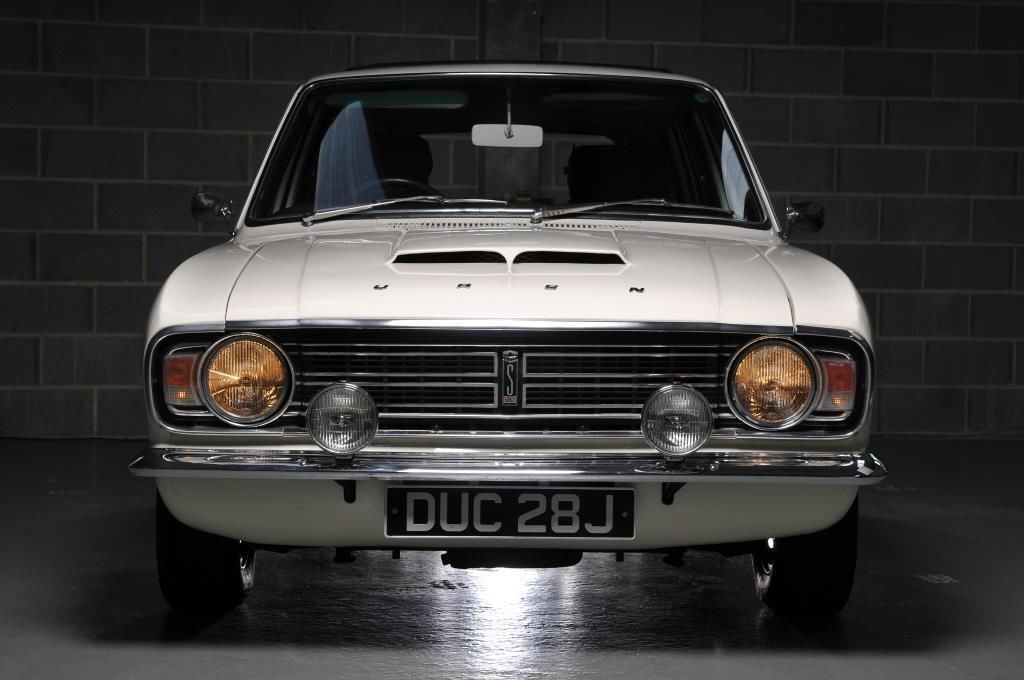
Cortina Savage Estate - Uren Good Company

Words: Amazosan
Pics: Matt Woods


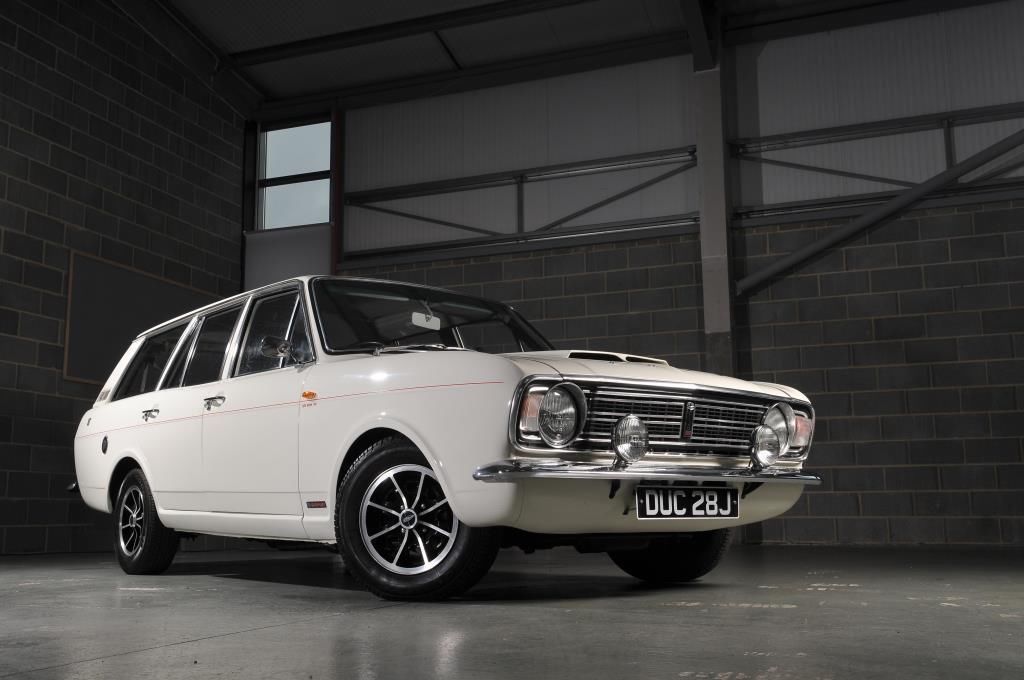
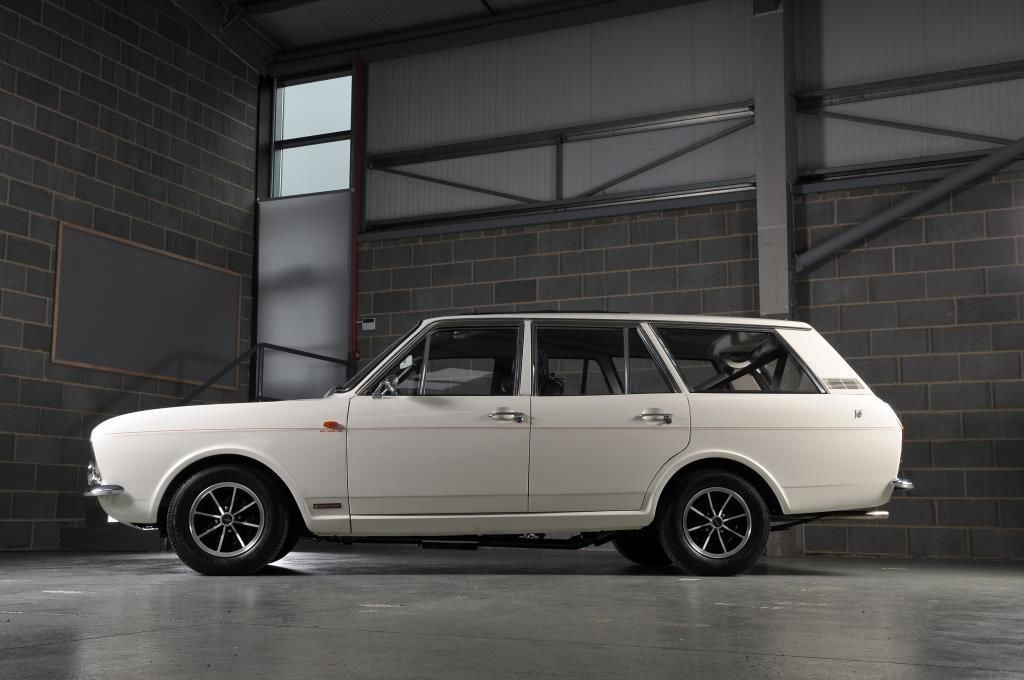
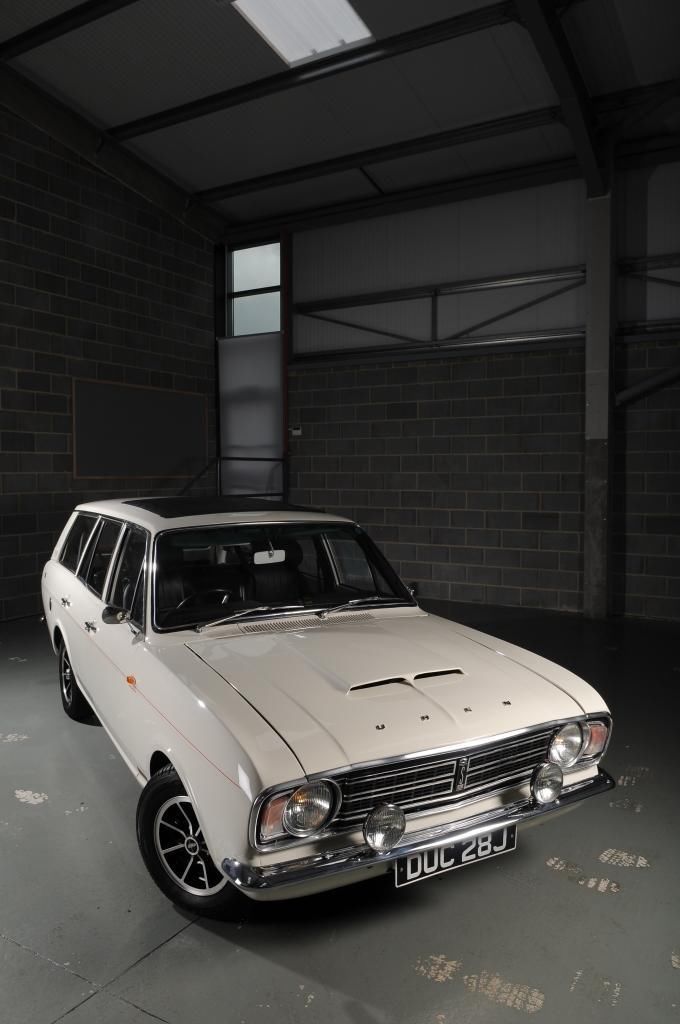
This car should not exist.
Well, not this particular car, just the idea of it. There are several examples of more powerful versions of' cooking' family estates over the last 20 years or so, but in the age that the MKII Cortina estate was designed in, estate cars were lowly people (and luggage) carriers that performed a task and nothing else; it wasn't their place to have equality with their saloon counterparts. And if the MKII Cortina saloon wasn't destined to receive the V6, the estate stood a Vauxhall's chance in hell of getting it.
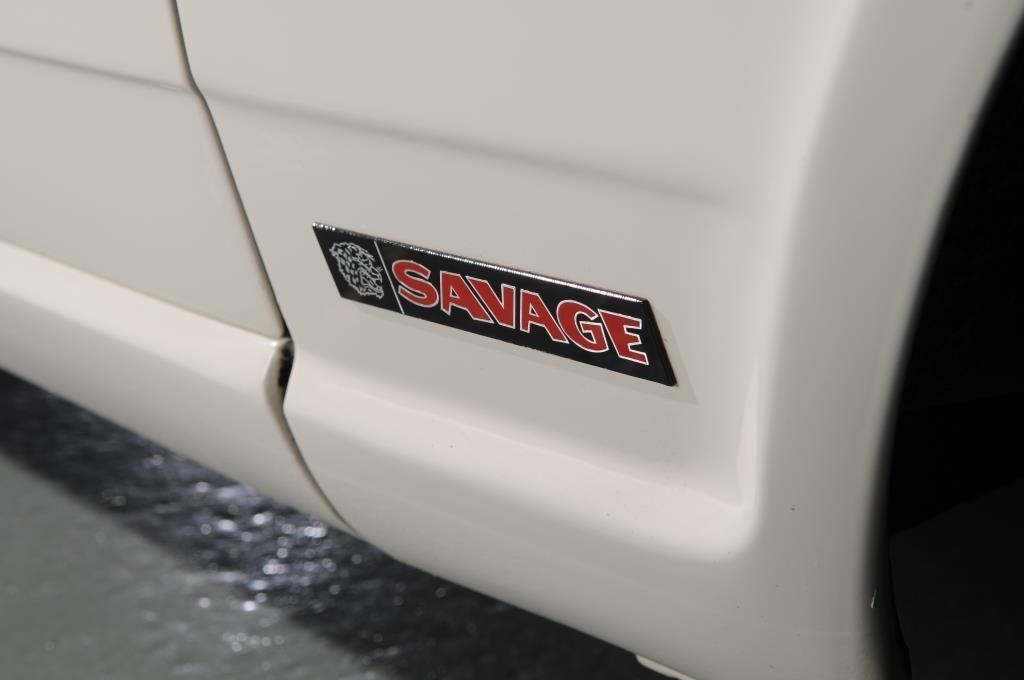
Enter Jeff Uren, former British Saloon Car Champion and founder of Race Proved Performance and Racing Equipment Ltd. Uren's specialty was stuffing Ford engines in Ford UK cars that Ford UK never planned to. As well as the iconic Savage, they offered conversions for the 3 litre Capri MKI (Comanche), 3 litre Mk1 Escort (Apache), 2 litre MK1 Escort (Navaho), 2.5 litre Cortina MKIII (Cheetah), 3 litre Granada/Consul MKI (Seneca), 5 litre V8 Capri MKI (Stampede) and the 3 litre MKI Transit (Easypower).
Now, approximately 1700 cars of all types were converted (including around 1000 Savages), while the majority of MKII Cortinas converted were 1600E's, GT's and even (gasp) a few Lotus' supplied by customers. The amount of MKII estates converted was minuscule, making this GT estate a rarity within a rarity.
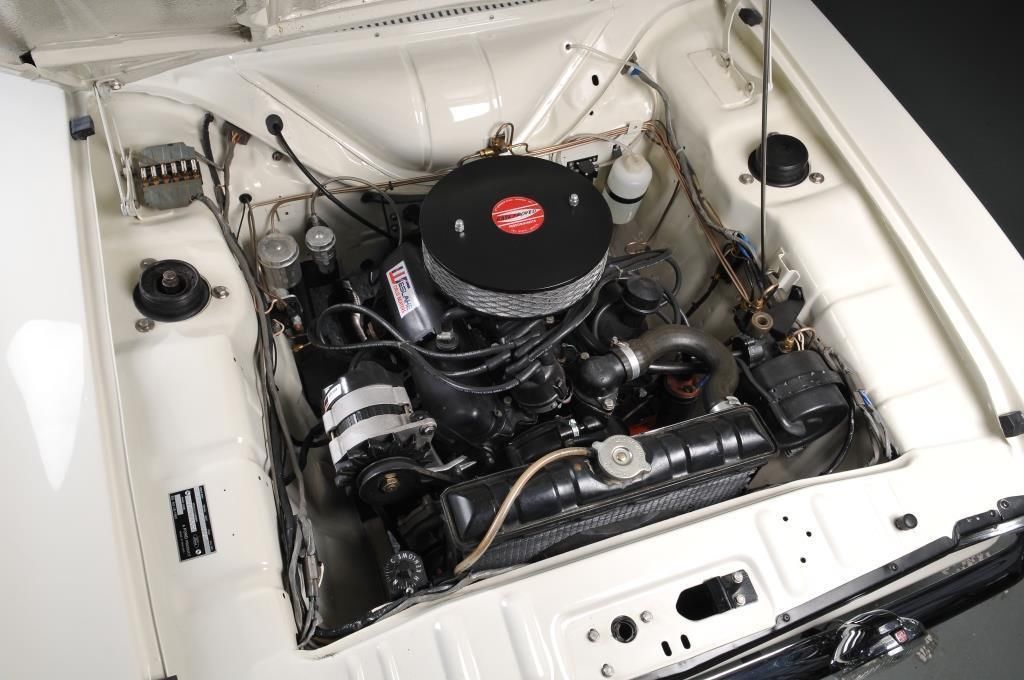
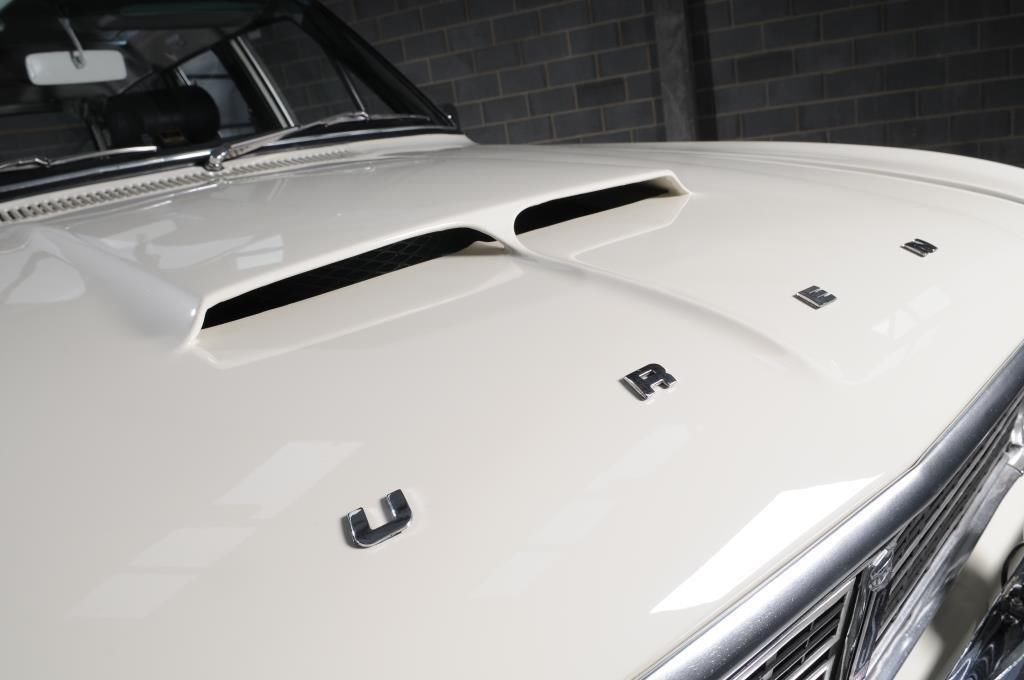
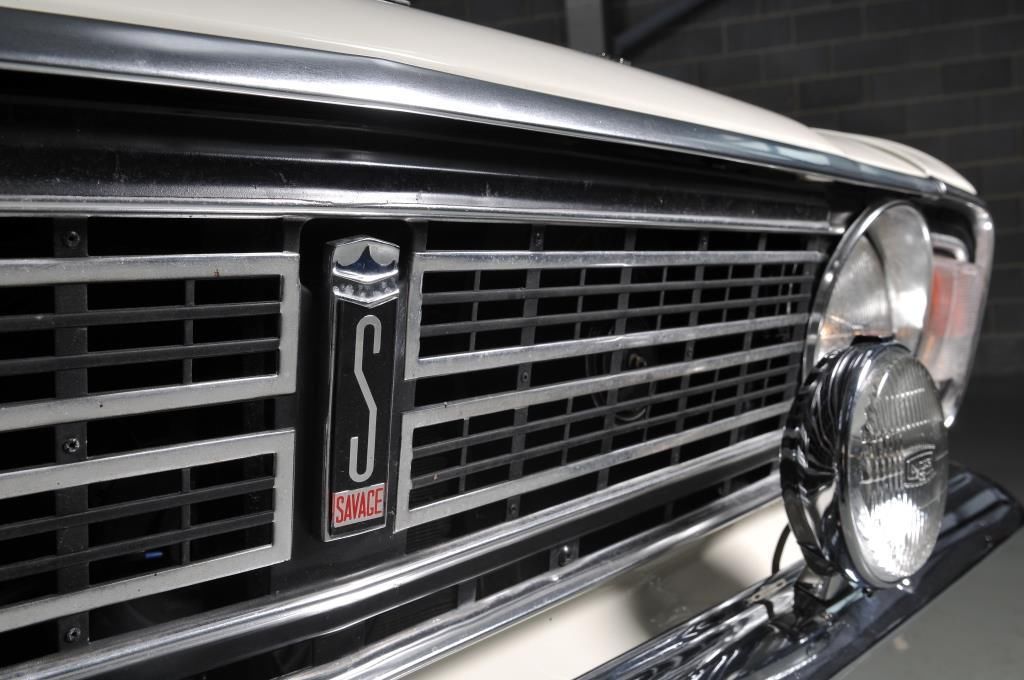
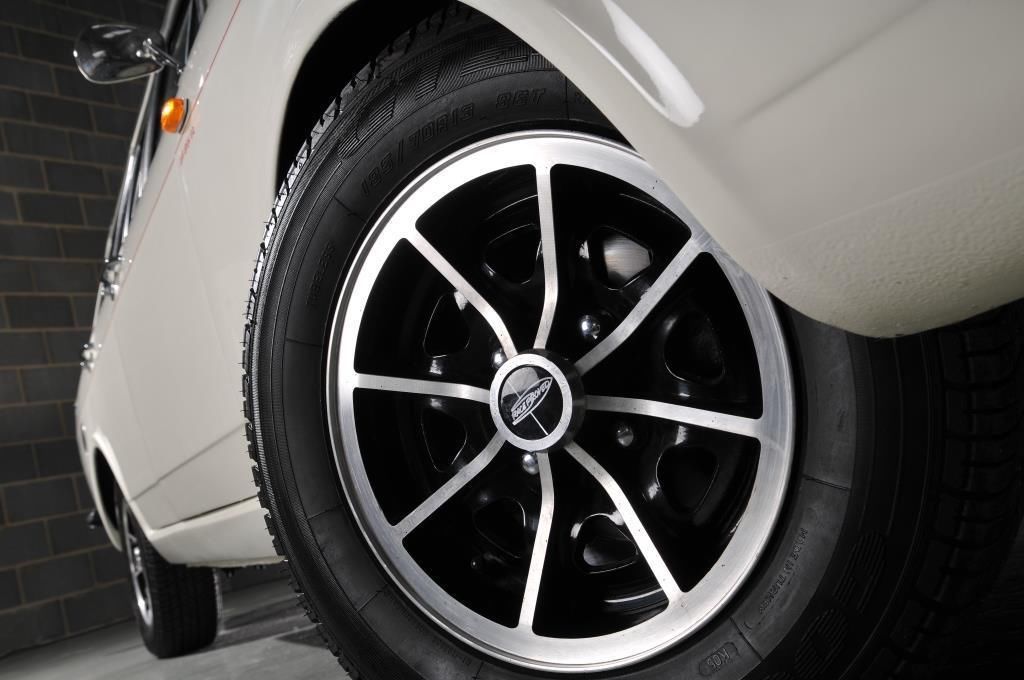
As the eBay description explains, this particular car was was converted for a Mr JL Rogers of Potters Bar, Hertfordshire and was the second to last Mk2 Savage estate built. If that isn't enough to ensure this Savage carrier 'endangered species' status, the length of extras fitted by RaceProved for Mr Rogers will, and they near-doubled the cost of the conversion: Traveller reclining front seats, Weathershields Sunway folding roof, the always-welcome Dunlop D1 wheels, Lucas quartz halogen headlamps and Silver Sabre spot lights. The car was bought by a Savage enthusiast in 2005, who treated it to a full restoration (£45,000!) and added even more period goodies, like uprated leaf springs and vented front discs, but the cherry on the cake is under the skin. The engine was rebuilt by Oselli to their '230' specification: a .60 over rebore to take it to 3.1 litres, with a single Weber 40 DFI5 single carburettor, Swaymar exhaust manifolds and a bespoke bespoke stainless steel exhaust system by Chris Tullett have been fitted. This tasty combo drives through a rebuilt Mark 1 Capri gearbox with a 3.09 ratio Capri LSD.
Given the car, the spec, and the work put into it, £24k seems like a relative bargain for this Savage to bring out the beast in you.


- Amazosan


Cold Fury


11 February 2015

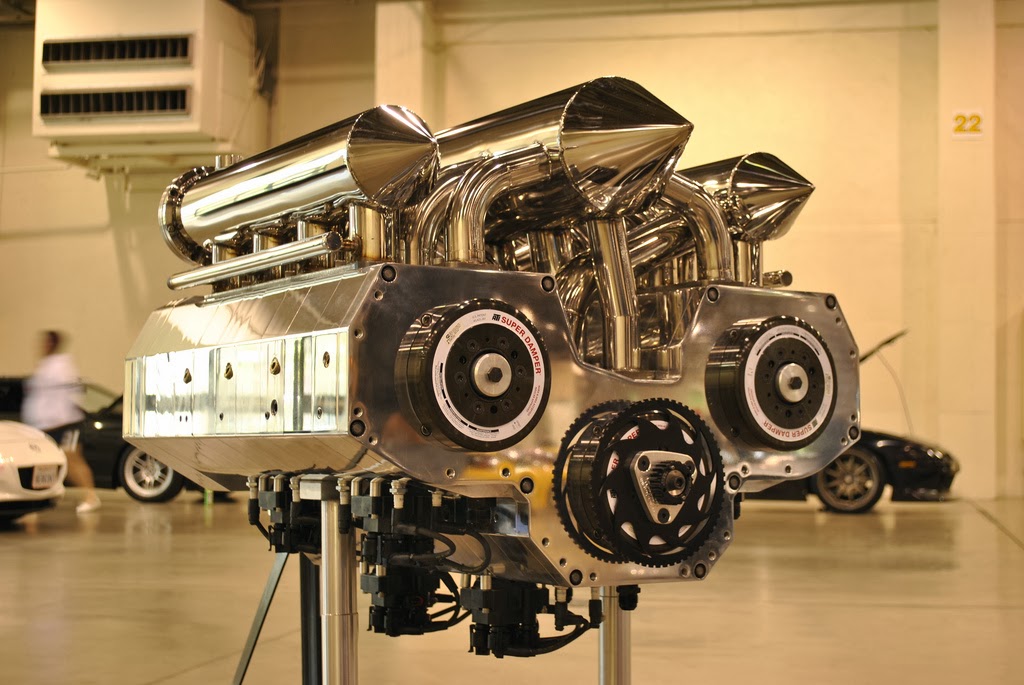
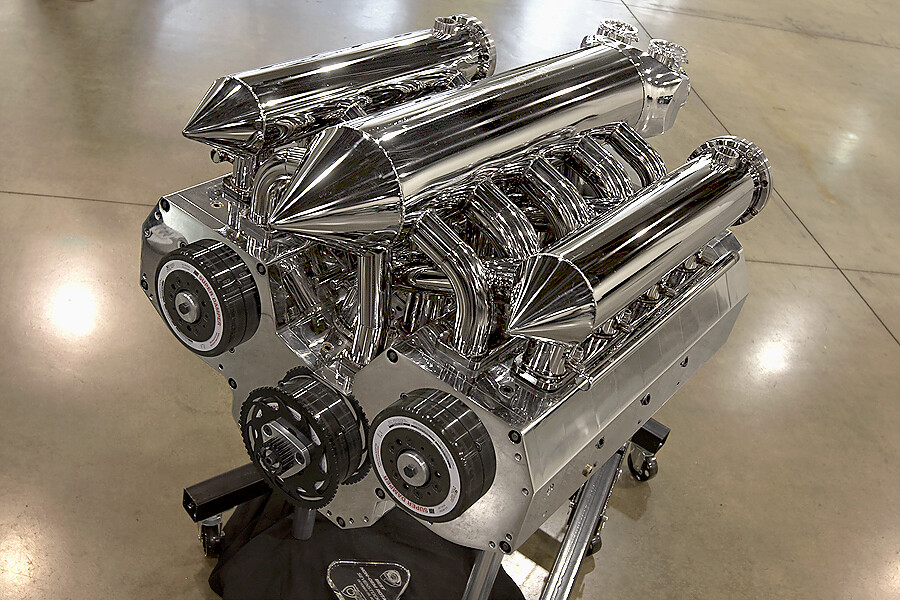
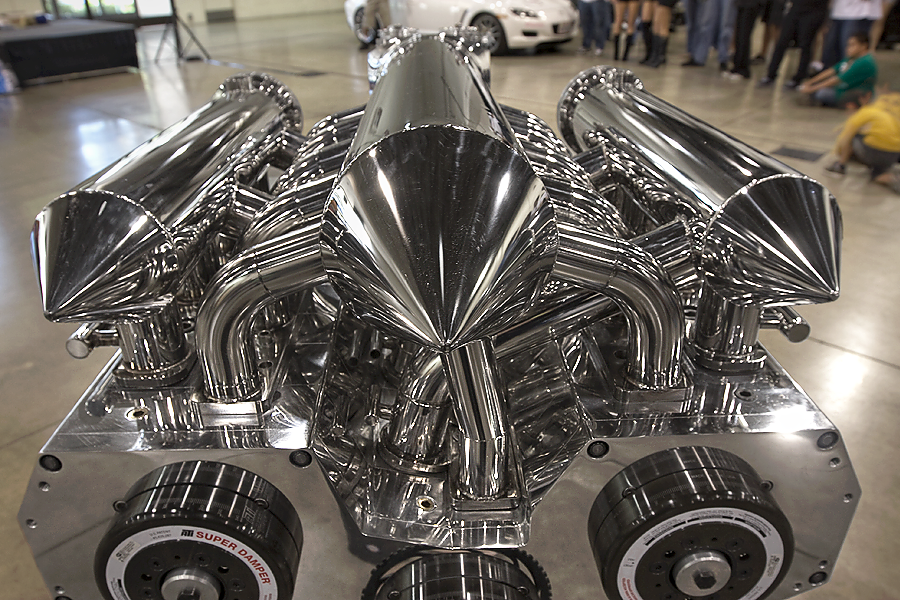
The Devil's Dental Drill: Home Built, 12-Rotor Wankel Engine


Over the course of the life of the internal combustion engine, it seems that every possible configuration has been built, at some point or other: straight threes, fours, fives or sixes are commonplace, as are V6s and V8s, even V12s. We have seen the like of straight eights (Packard Buick among others), flat twins, fours, sixes, eights (take a bow, VW, Porsche Subaru and many others) V16s (Cadillac the most famous example), W8s and  W12s (cheers VAG)  H4 (Brough Superior Golden Dream motorbike) H16 (BRM racing cars, H24 (Napier Sabre aero engine) Radial piston engines (BMW and others) and many other weird, wacky and downright loony engine layouts, But they all have one the in common: they all use a piston design that can be traced right back to the birth of the internal combustion engine.
Yes, the design has been honed (no engineering pun intended) and refined to within an inch of it's life and even different shapes have been experimented with, to good effect (oval pistons in Japanese racing bike engines, like Honda in 1979 with the 500cc NR500 Grand Prix racer for example) but its fair to say even the likes of Ã‰tienne Lenoir or Gottlieb Daimler could recognise a modern piston, so fundamental is the design. But Felix Wankel's engine design would be something that may be alien to them.


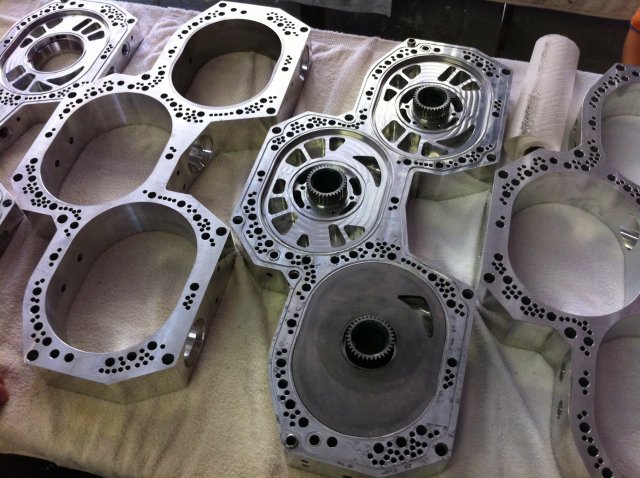
The rotary engine, with its rotary piston design owes little or nothing to the traditional internal combustion engine. Wankel received his first patent for the engine in 1929, began development in the early 1950s at NSU, and completed a working prototype in 1957. It became a mainstay of NSU and Mazda cars for many years (licences were granted to Mazda and others, including Mercedes-Benz, Citroen, Norton, GM, Ford and even the likes of Alfa Romeo, American Motors, Nissan, Porsche and Rolls-Royce, among others),with the design flaws that have plagued the engine for many years seemingly ironed out. One of the brilliant aspects of the rotary engine is that increasing the displacement and power of a Wankel engine is straightforward, by adding more rotors. It was thought that a limit may exist in the total number of rotors that could be added, as power output is channeled through the last rotor shaft, with all the stresses of the whole engine present at this point. Up to now, the maximum size that a manufacturer has produced has been (I think) the four-rotor engine used in the Mazda 787B Le Mans car of the early 90's.


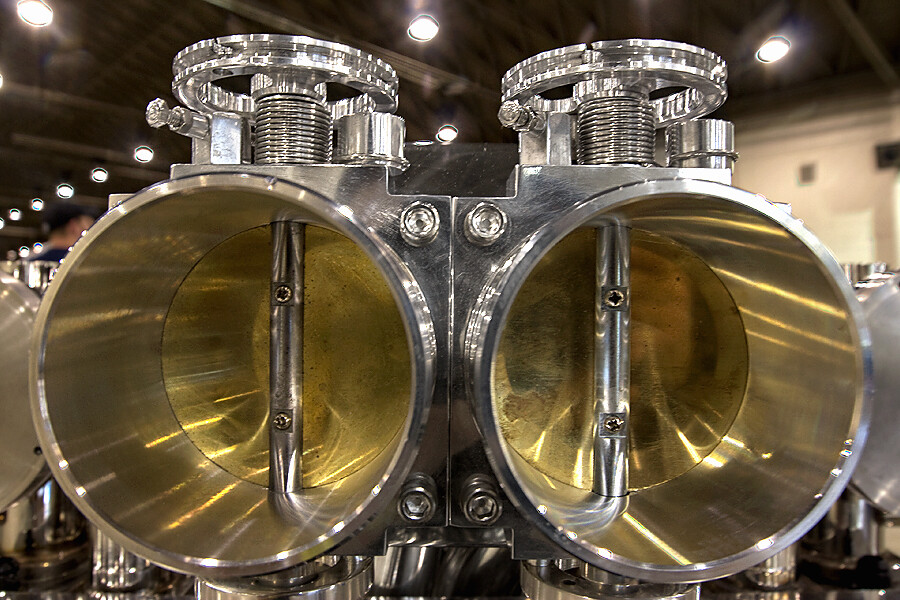
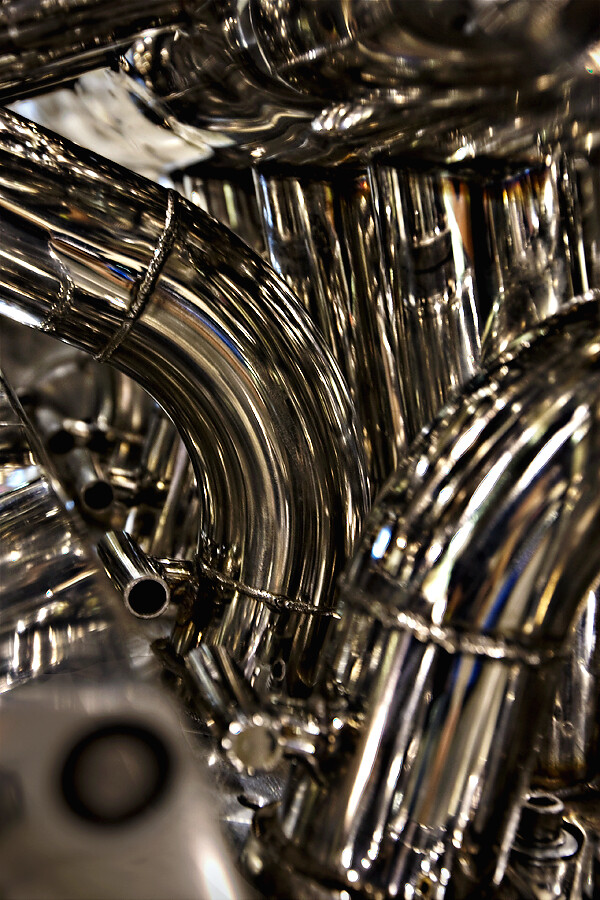
But that hasn't stopped ingenious individuals proving the theory wrong, like Tyson Garvin. He is an endurance powerboat racer who has twice set the record for the run from New York City to Bermuda, and he’s built a  12-rotor Wankel engine. The three banks of four rotors are arranged in a Y-configuration and are kept in sync with each other by a set of gears. It displaces a massive 15.7 litres, yet externally it’s about the same size as your average American big-block V8. And to whet your appetite further, Garvin has confirmed  that his company Apex Manufacturing and Design LLC are building a 12-rotor engine for a supercar to hopefully break some land speed records.
The one you see in the pictures is for marine use, naturally aspirated on 87 octane pump petrol; its said to make 1440hp and 900lbs/ft of torque and will do so for 400 hours of use. With turbocharging, it is meant to be capable of an incredible 3600bhp. And the icing on the cake is that the engine is so smooth, that even glasses of water placed on the engine (as seen in he video) show little sign of rippling.
Sign me up for the rotary club please.

- Amazosan


And now, the live-action rotary madness:


White Circles


6 February 2015

The 14th Kyalami 9 Hours, 6th November 1971

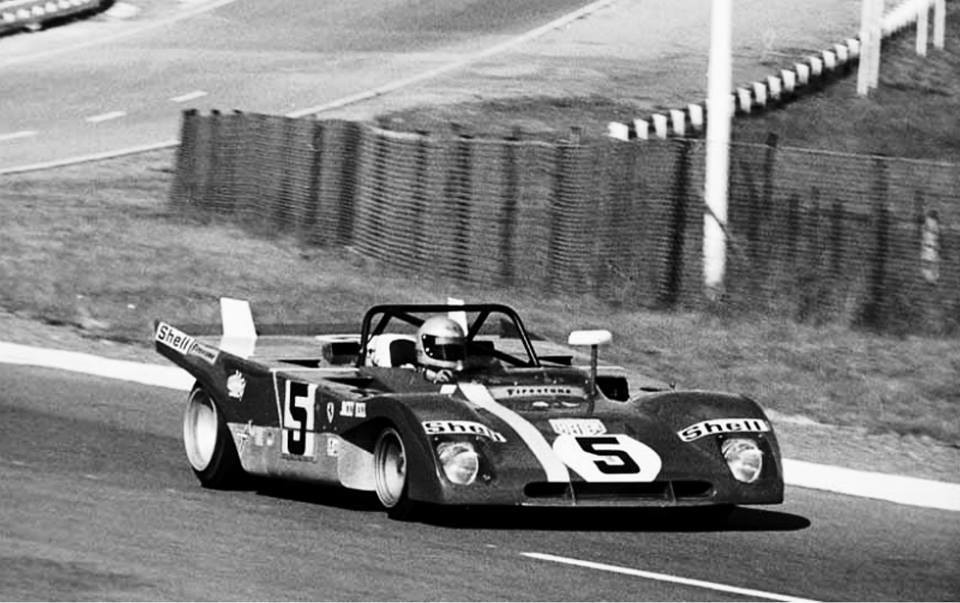
The Jacky Ickx/ Mario Andretti car was brand new and built to conform to the new FIA regulations regarding width. It suffered from early problems; Andretti, who had won the Grand Prix on this circuit back in March, lost time at the start when he knocked the fuel pump switch off and then the car was delayed for almost 45 minutes when it stopped out on the circuit due to the battery coming loose. After that it pulled rapidly up the field and snatched second place near the end from the David Piper Porsche 917 driven by Tony Adamowicz and Italian Mario Casoni.
The eventual winners were Clay Regazzoni and Brian Redman who led most of the way in the older 312P 'B' (the B designation was given to the car to differentiate it from the earlier 1969 car of the same name), but were delayed first by damaged bodywork and were then docked two laps for having more than the allowed number of mechanics working on the car.
The race also marked a new first, as it was the first time that the winning speed of this event exceeded 160km/h. Top speed at the track was also over 200mph, a level only beaten years later by the turbo-era F1 racers.

2 February 2015

Barn Find Cobra - The Snake's Alive!


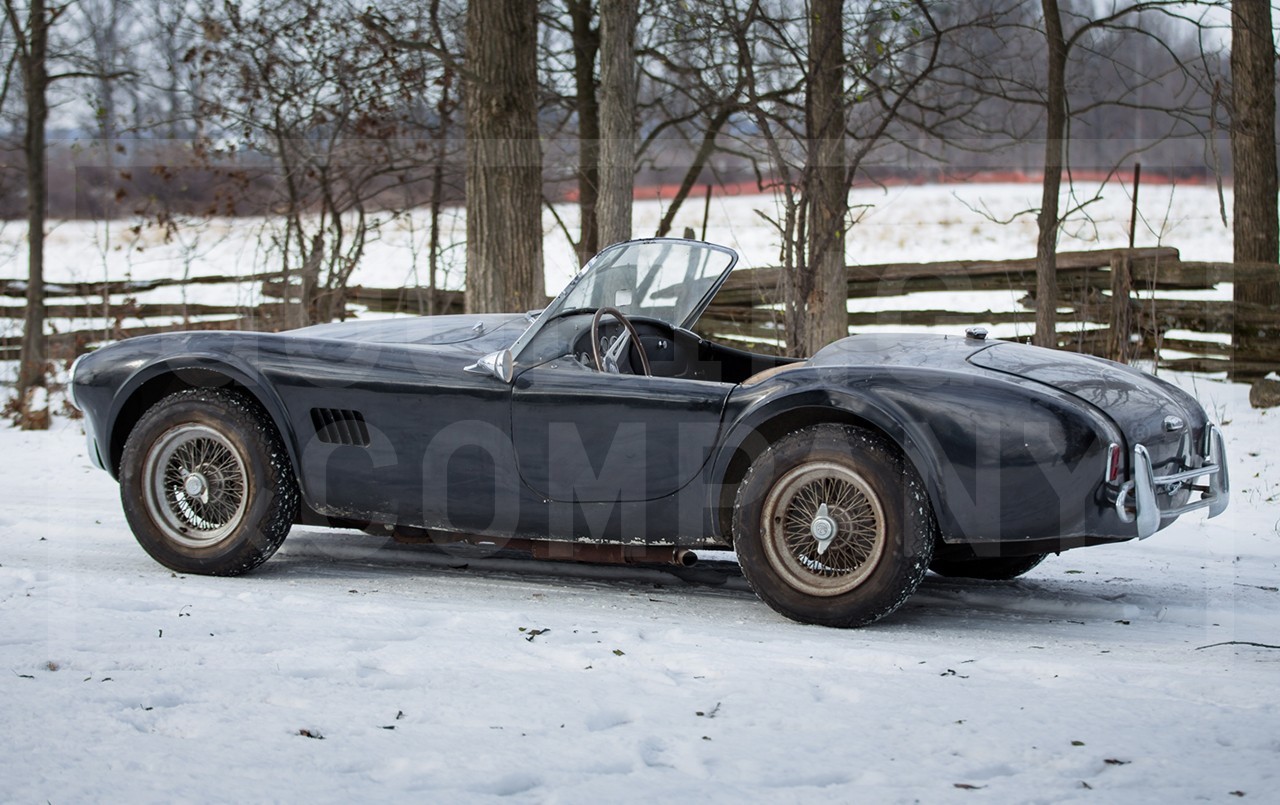
The barn find car. The term, once reserved for cars that were hidden away in storage, forgotten for a generation or three, now seemingly used as a catch-all term for a vehicle thats just been dumped in a garage for as long as it takes for the owner's Spotify Premium subscription to run out. To be honest, most of the cars you see now on eBay that are described as such are anything but; just another descriptive way of chiseling more cash out of a classic car-buying public.
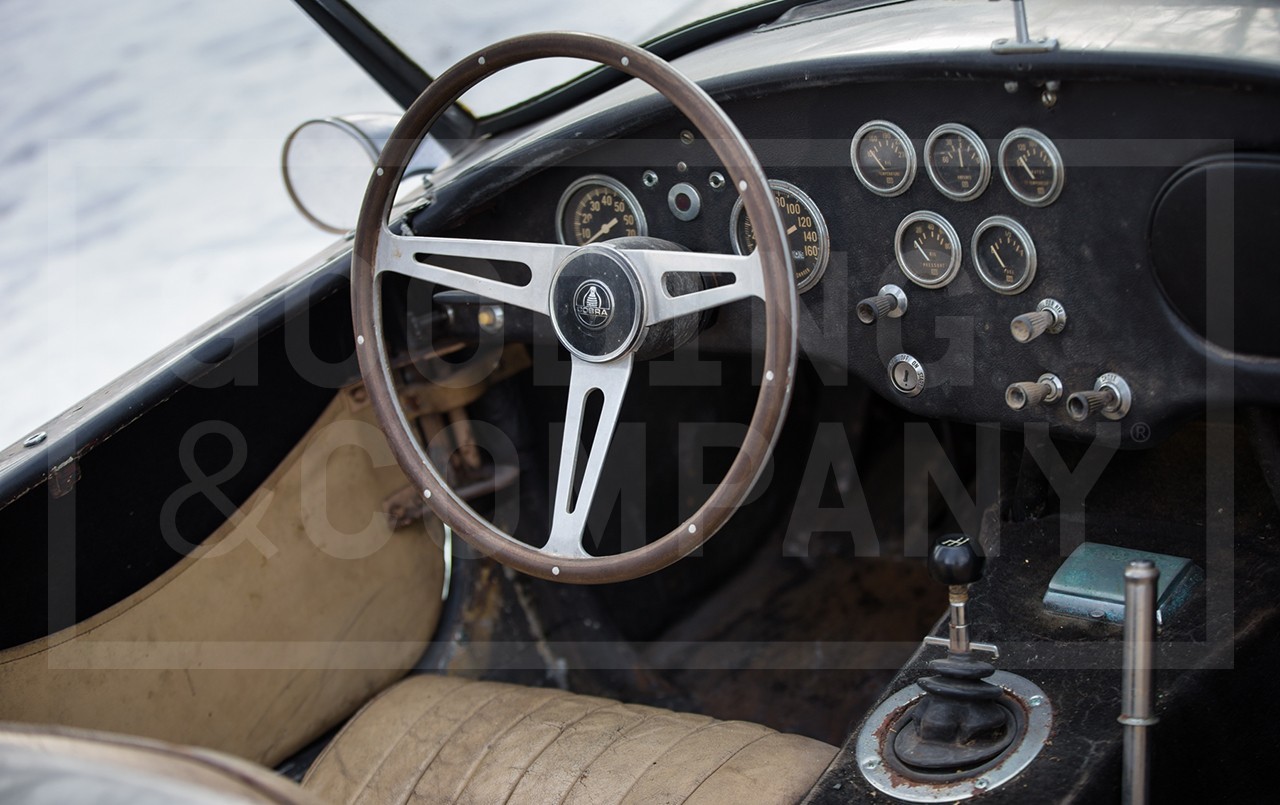
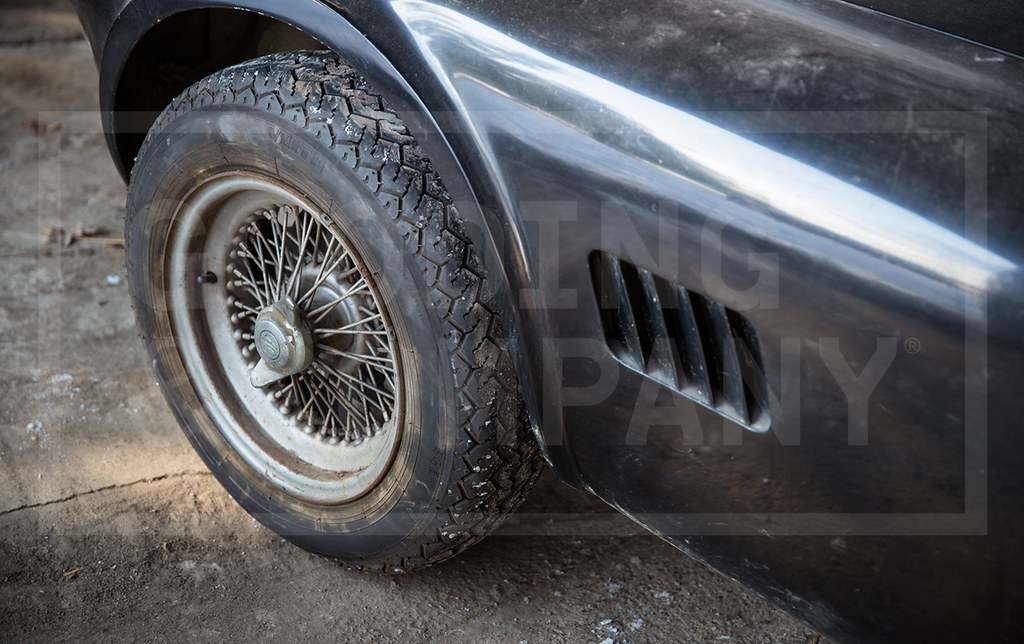
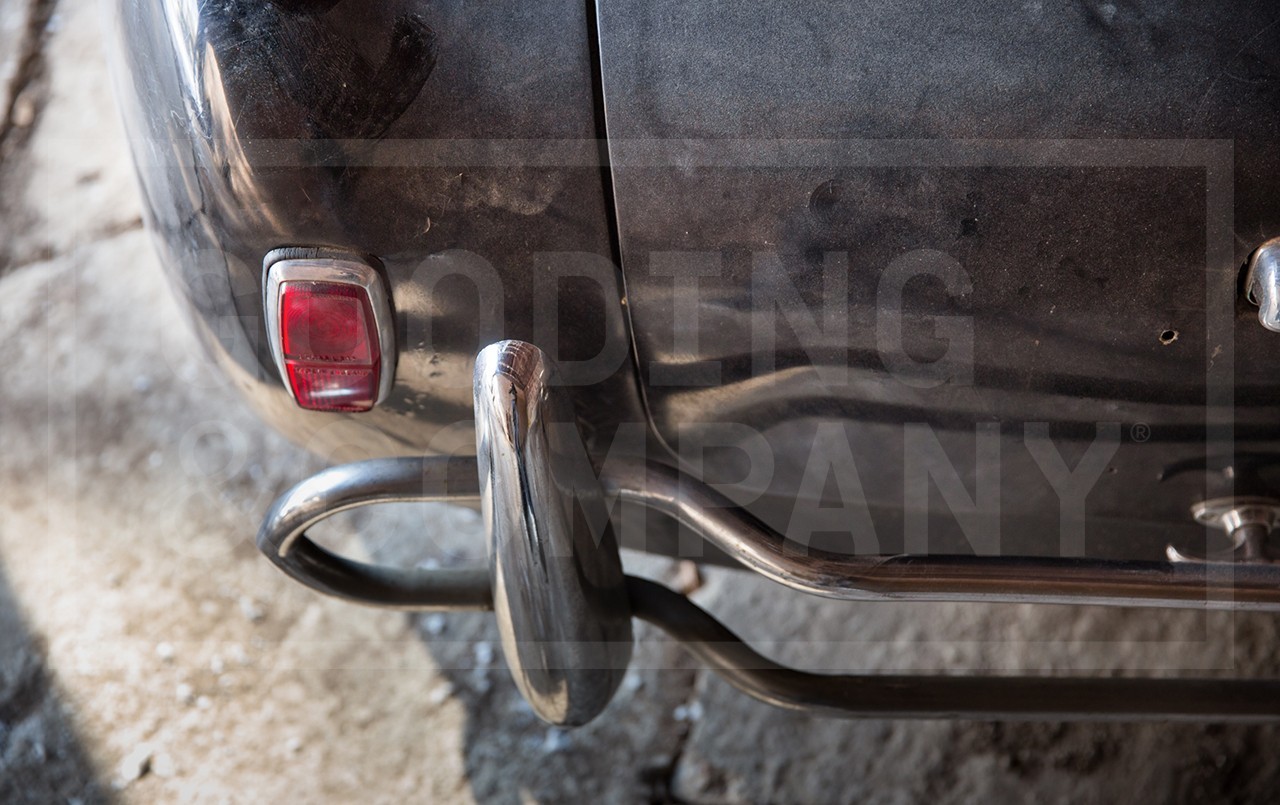
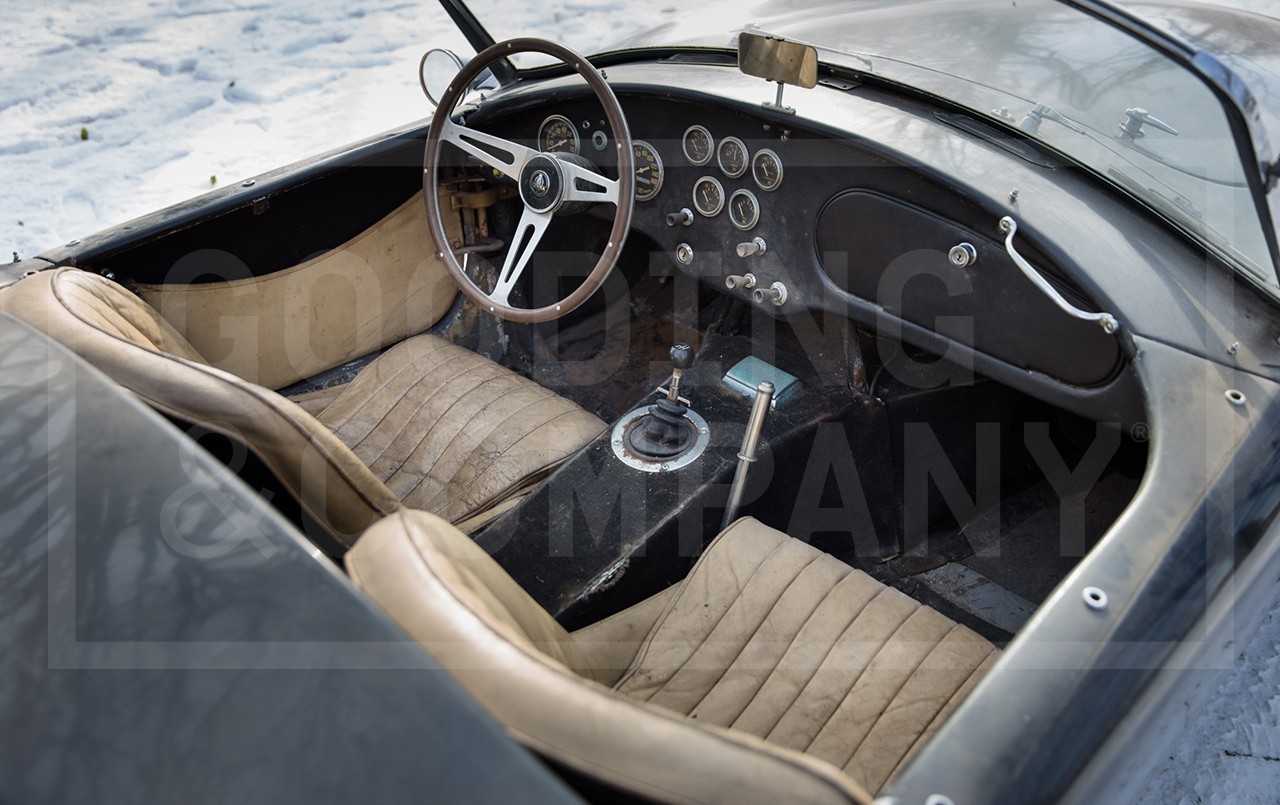
But the car you see here is (in my opinion) a card-carrying, fully paid-up member of the time-warp club. A 1964 Shelby Cobra 289 that has been laid up since 1974 with all the original extras; it went under the hammer at Gooding & Co's Scottsdale auction on 16-17 January. It was expected to sell for $1-1.4m; it sold for $979,000. I just hope this the new owner doesn't restore it; earned patina like this is too good to waste.

- Amazosan
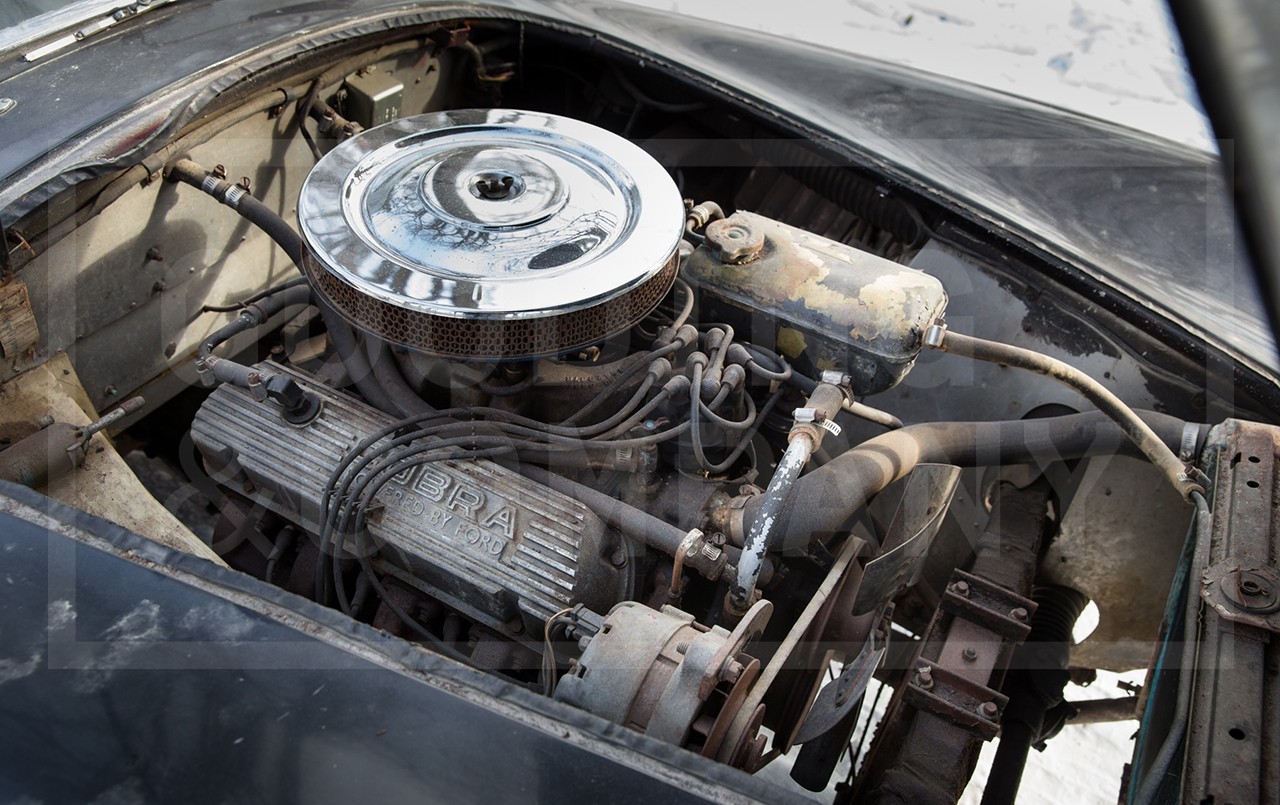

Heres Gooding & Co's description of the car:

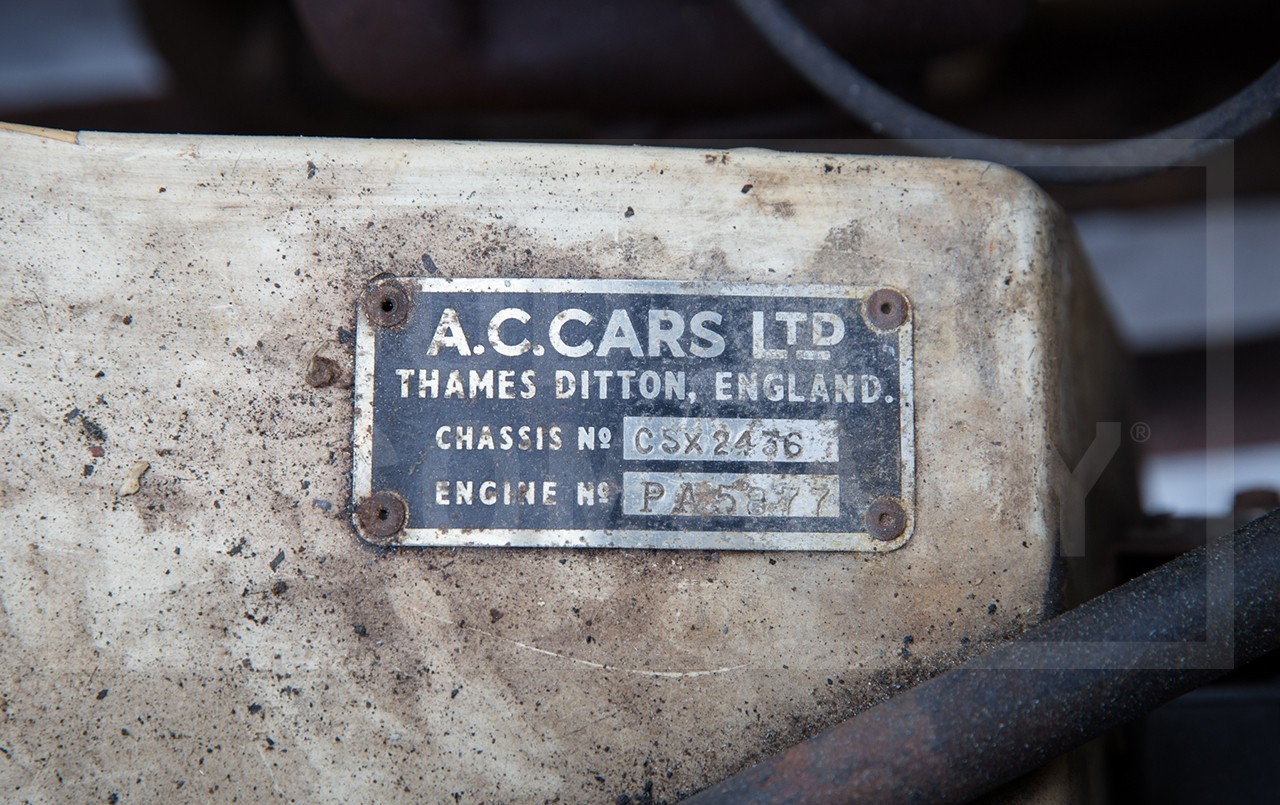
"Numbered CSX 2436 and documented in the Shelby American World Registry, this highly authentic 289 Cobra marks an outstanding “barn find” example, factory equipped with all of the aforementioned upgrades and improvements applied to the Cobra during the model’s production run.
"Originally finished in Rouge Iris with beige upholstery, CSX 2436 was billed to Shelby American on May 14, 1964, shipped to Los Angeles on May 26th aboard the SS Diemerdyk, and invoiced on August 24, 1964, to Greenwich, Connecticut’s Town & Country Motors, Inc.
"The Cobra was equipped with the “Class A” accessory package, including WSW tires, luggage rack, antifreeze, a radio, and antenna, and shipping – all for a total cost of $5,812.31. Air freighted to Connecticut by TWA, CSX 2436 was purchased by Timothy Crowley, for whom the Town & Country dealership requested a dash plaque on December 9, 1964.
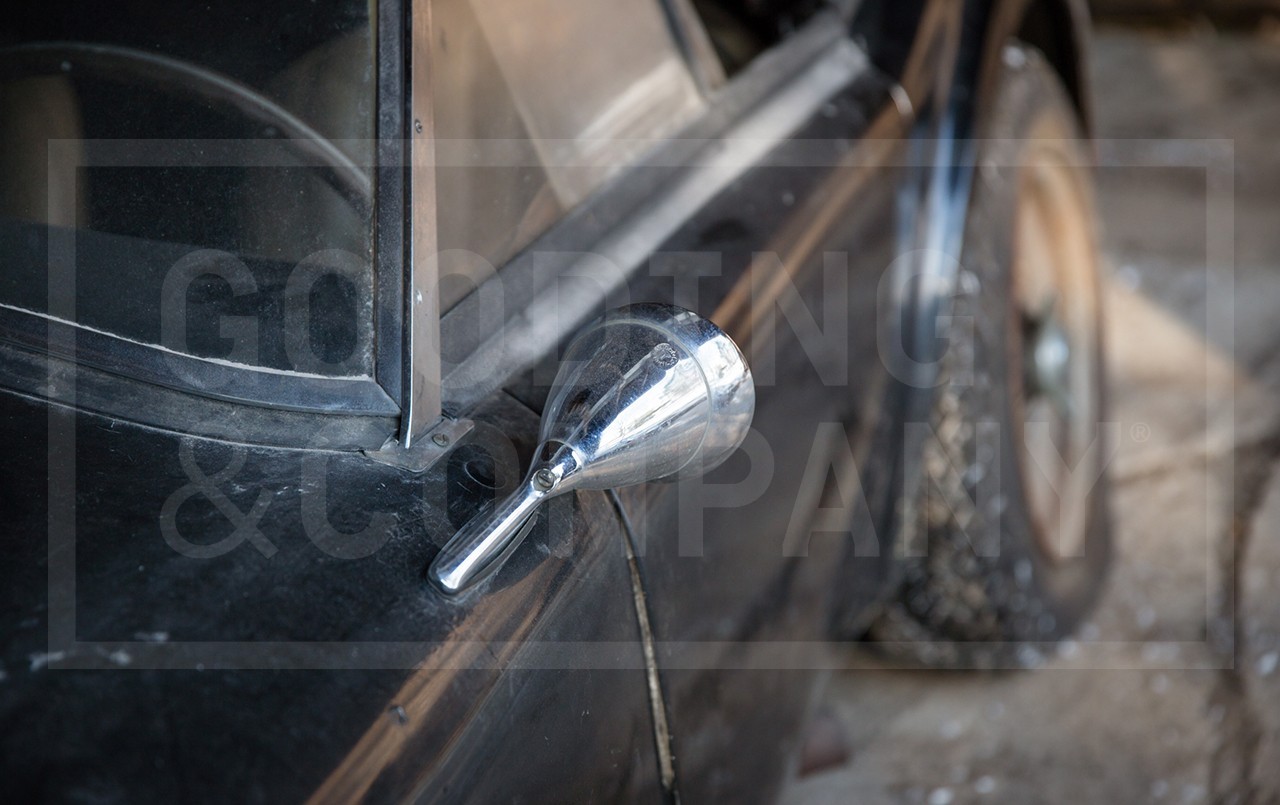
"The Cobra’s next known owner was James Wallerstein of White Plains, New York, from whom it eventually passed to Ed Jurist’s Vintage Car Store of Nyack, New York, on July 16, 1971. Peter DeSilva of Great Barrington, Massachusetts, purchased the Cobra for a reported $5,000 in September 1971, with the car listed in the SAAC Registry as having been finished in black with a beige interior, equipped with 6″ painted wire wheels and a Raydyot rearview mirror, and with approximately 30,000 miles registered on the odometer at the time.
"In 1974, Mr. DeSilva traded CSX 2436 to his friend Sy Allen, who then moved to Vermont, where he established a dirt, oval racing track. At this point, the Cobra was placed on jacks and stored with the top up inside of Allen’s heated barn/workshop where it remained secluded and out of sight for 40 years.
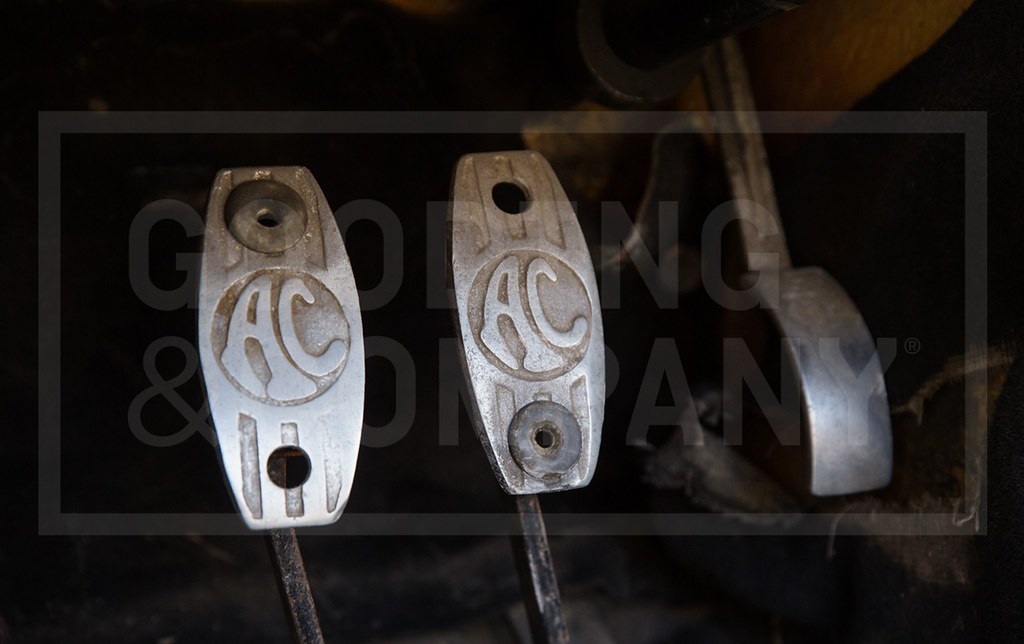
"A remarkable time capsule example, the Cobra’s prior Rouge Iris lacquer paint finish is revealed in the various areas around the car where the black paint has faked of. With the Cobra thankfully retaining almost all of the small and extremely hard-to-find detail items that are usually replaced during restoration, the interior remains unrestored along with the undisturbed engine bay. The 289 engine has been serviced and returned to running condition.
"Standing proudly as a late-production 289 Cobra with rack and pinion steering and desirable factory upgrades, CSX 2436 is simply irreplaceable as one of precious few Cobras remaining in such wonderfully preserved condition today."

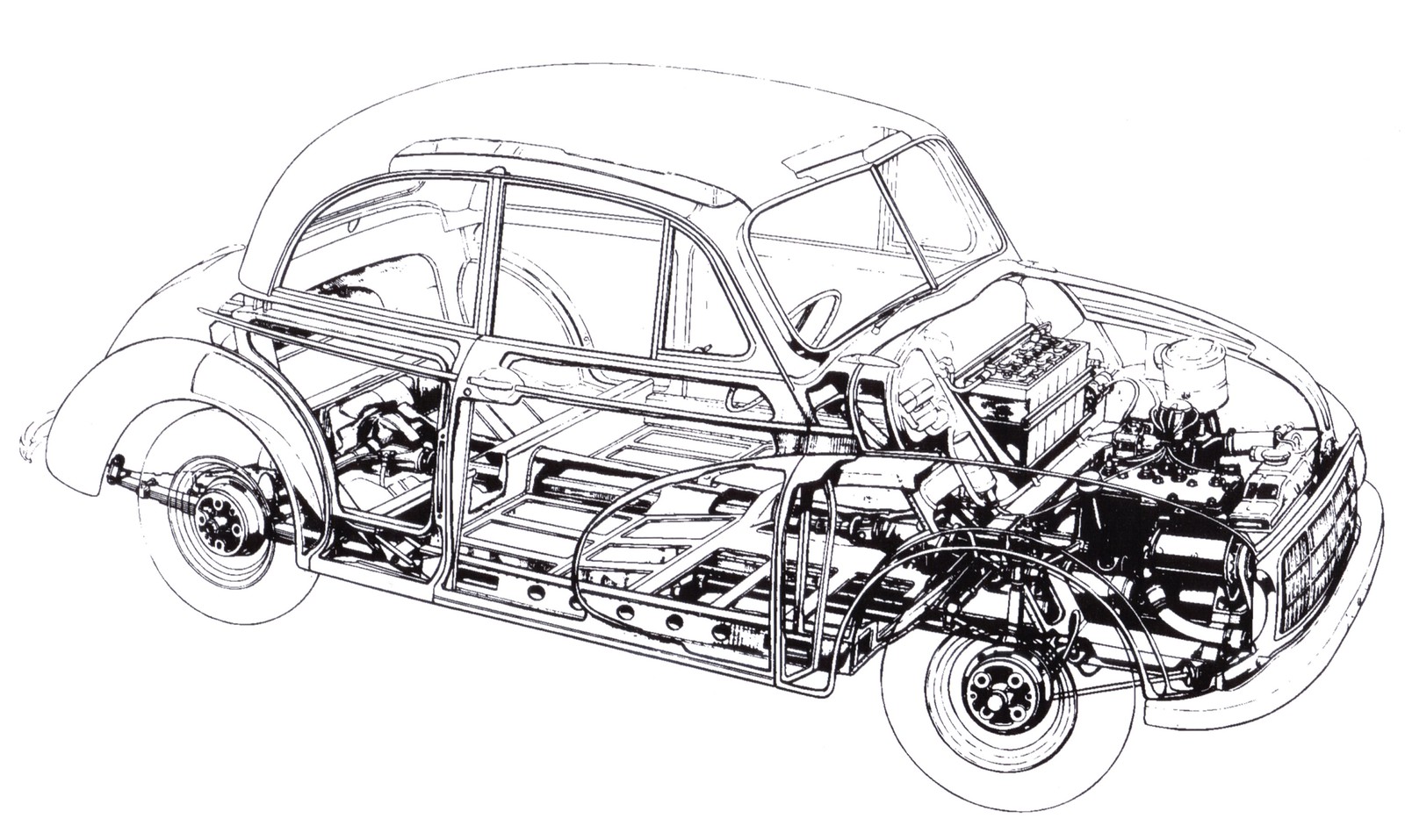
The Cutaway Diagram Files - 1948 Morris Minor MM by Morris Motors


26 January 2015

Gallivan Special Lakester - Twin Cam Tearaway


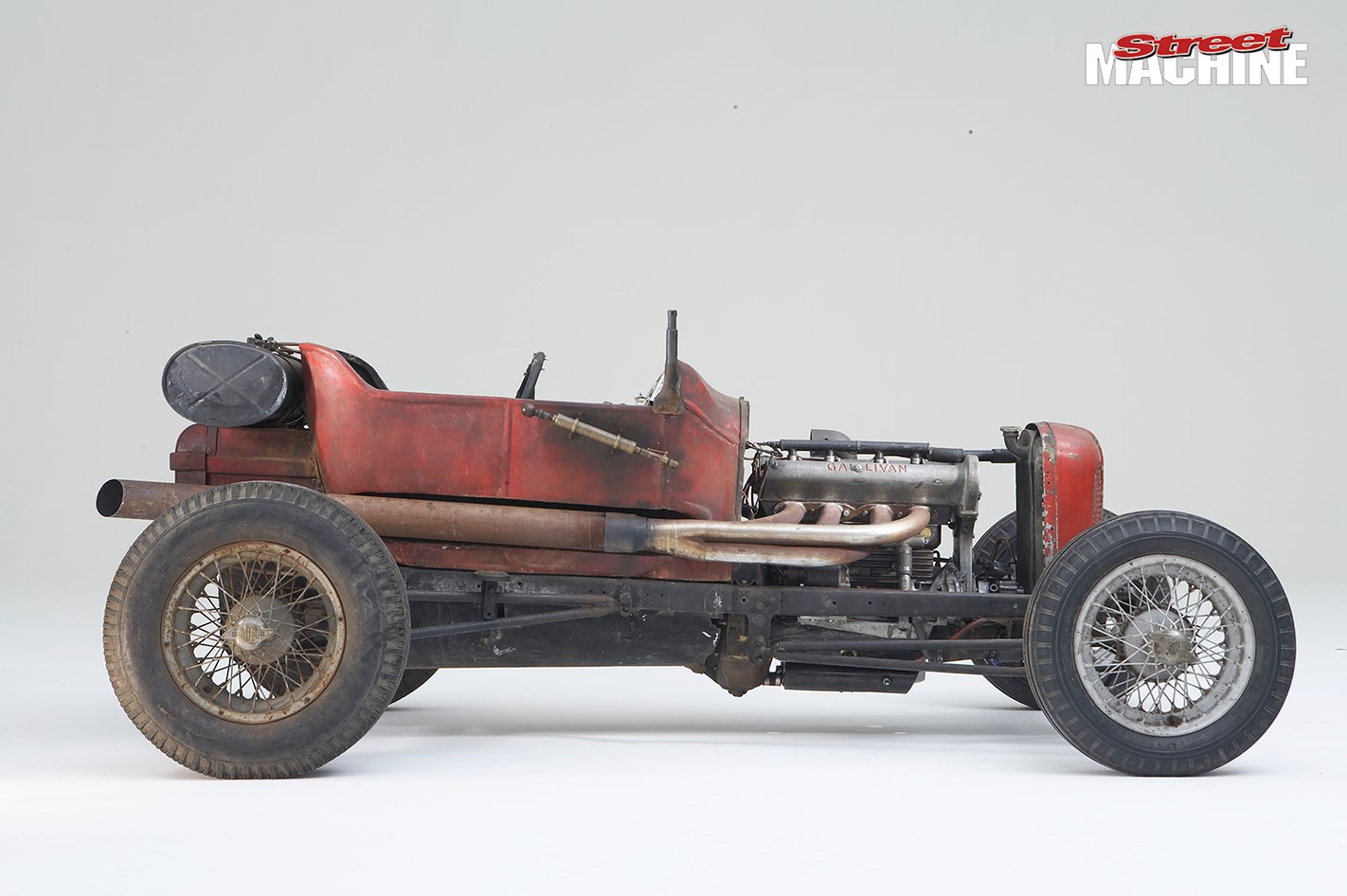
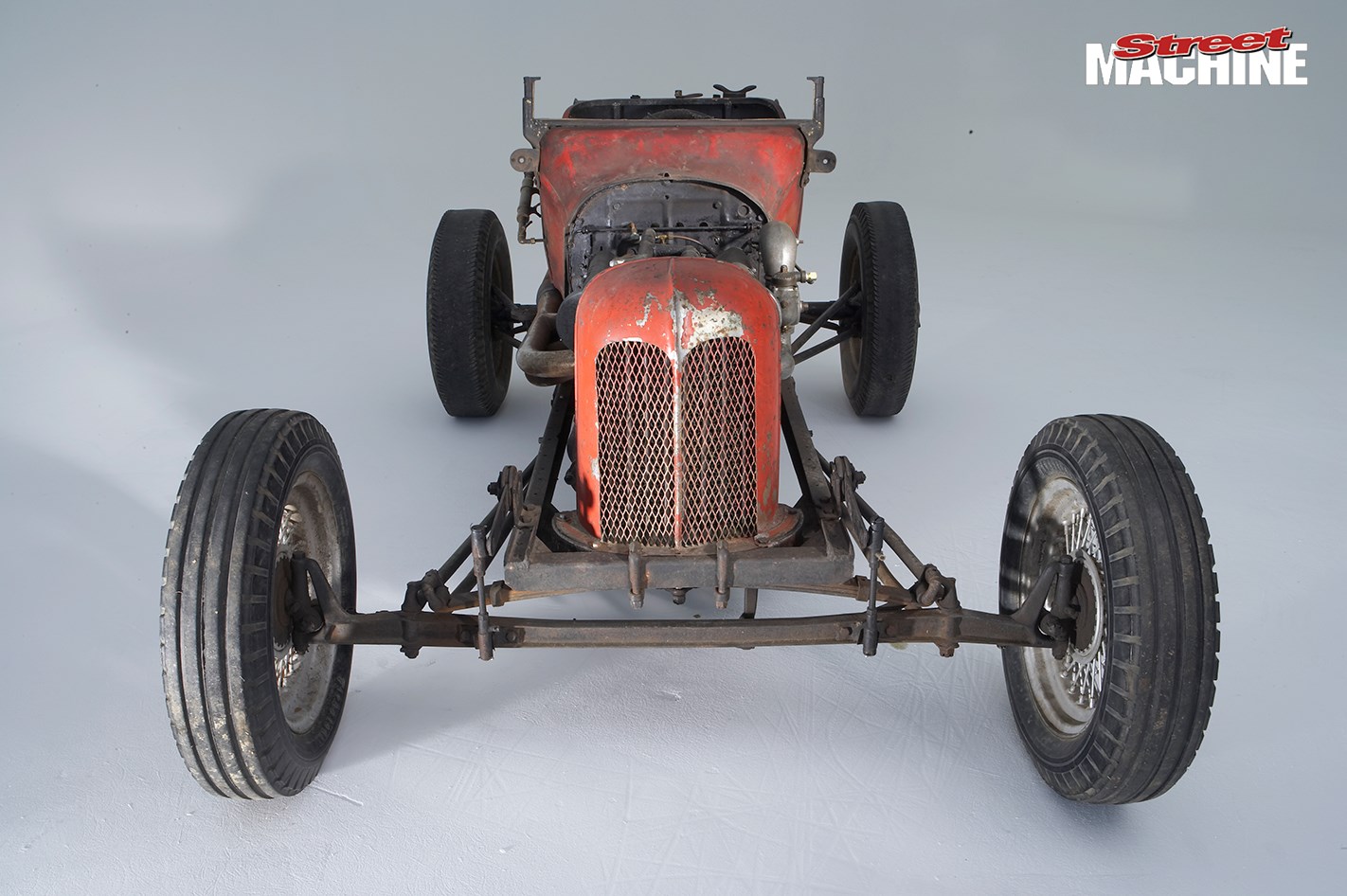
Welcome back, Amazorinos! Finally I get to lay down some auto gospel in 2015 and to hell with starting slow, lets hit you between the eyes with a single seat Model T that contains a piece of hot rod history.
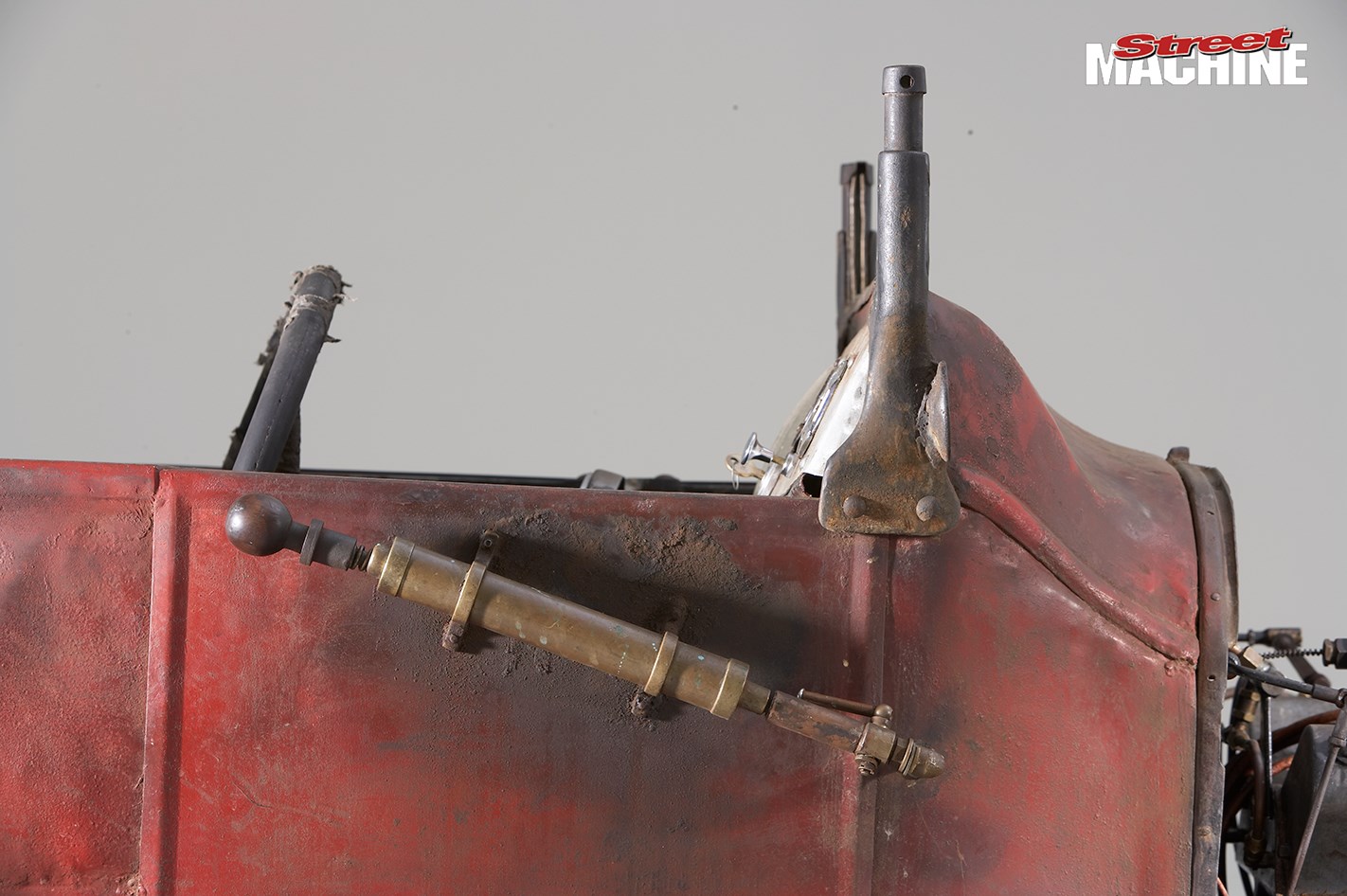
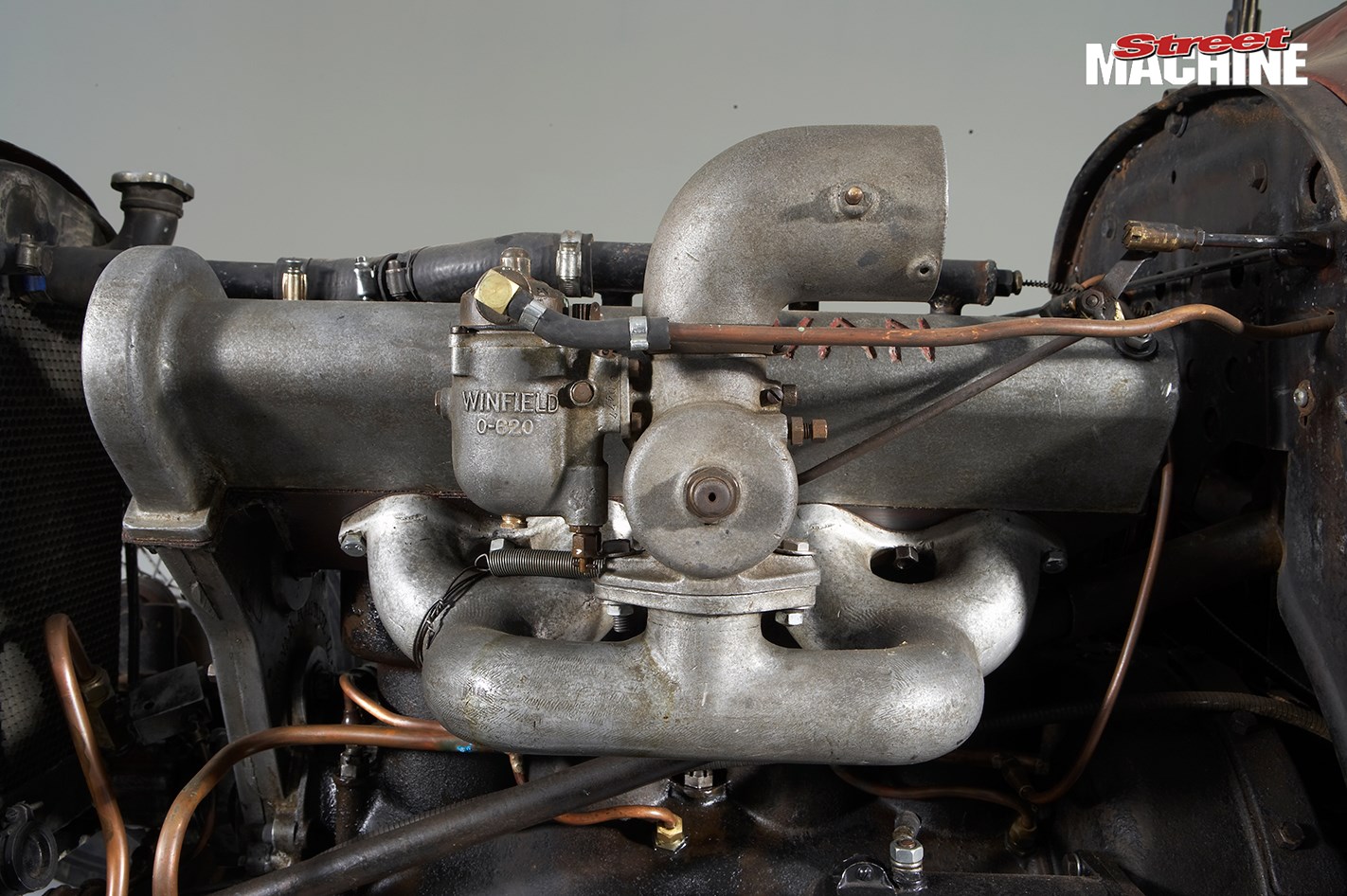
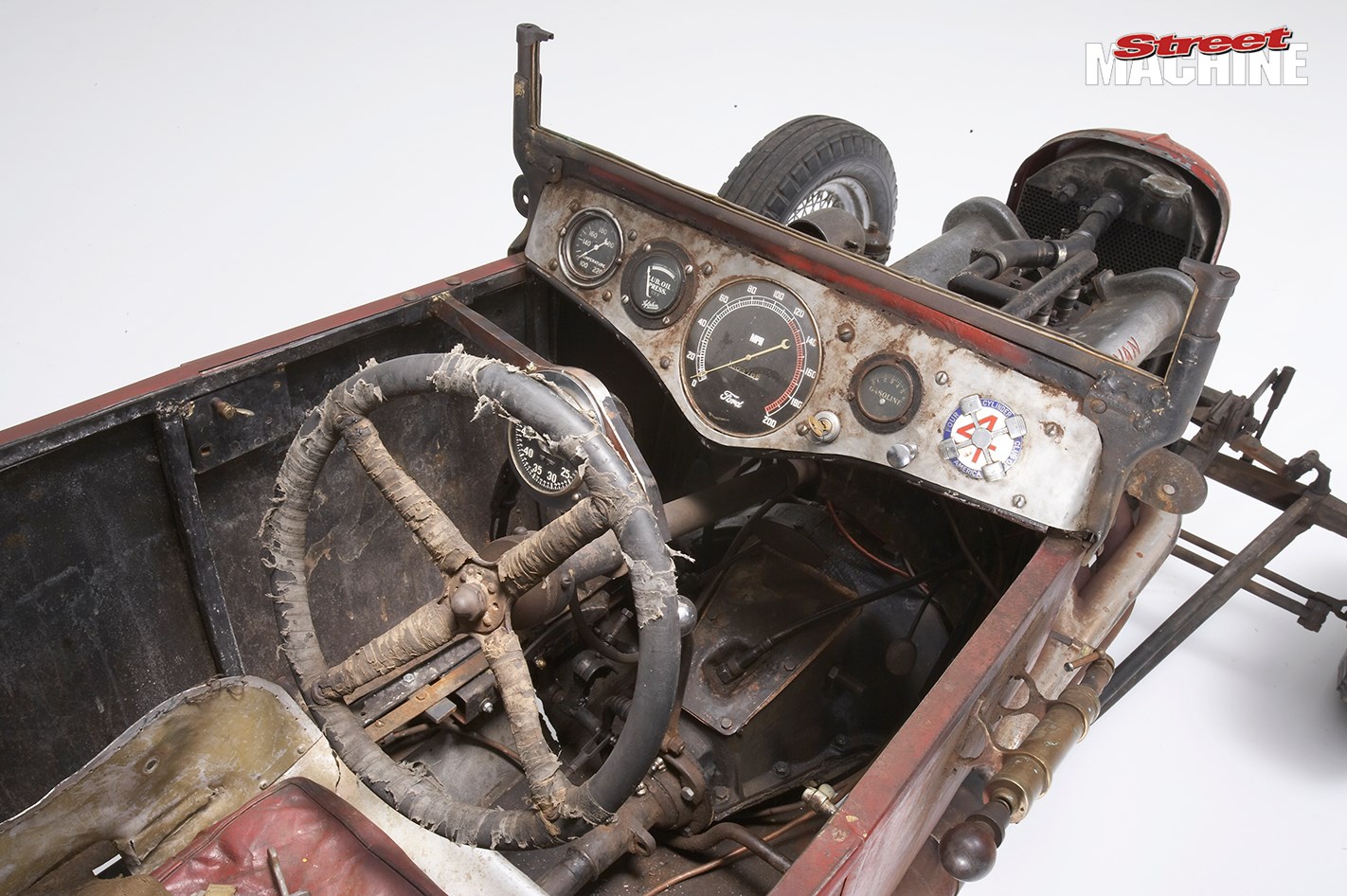
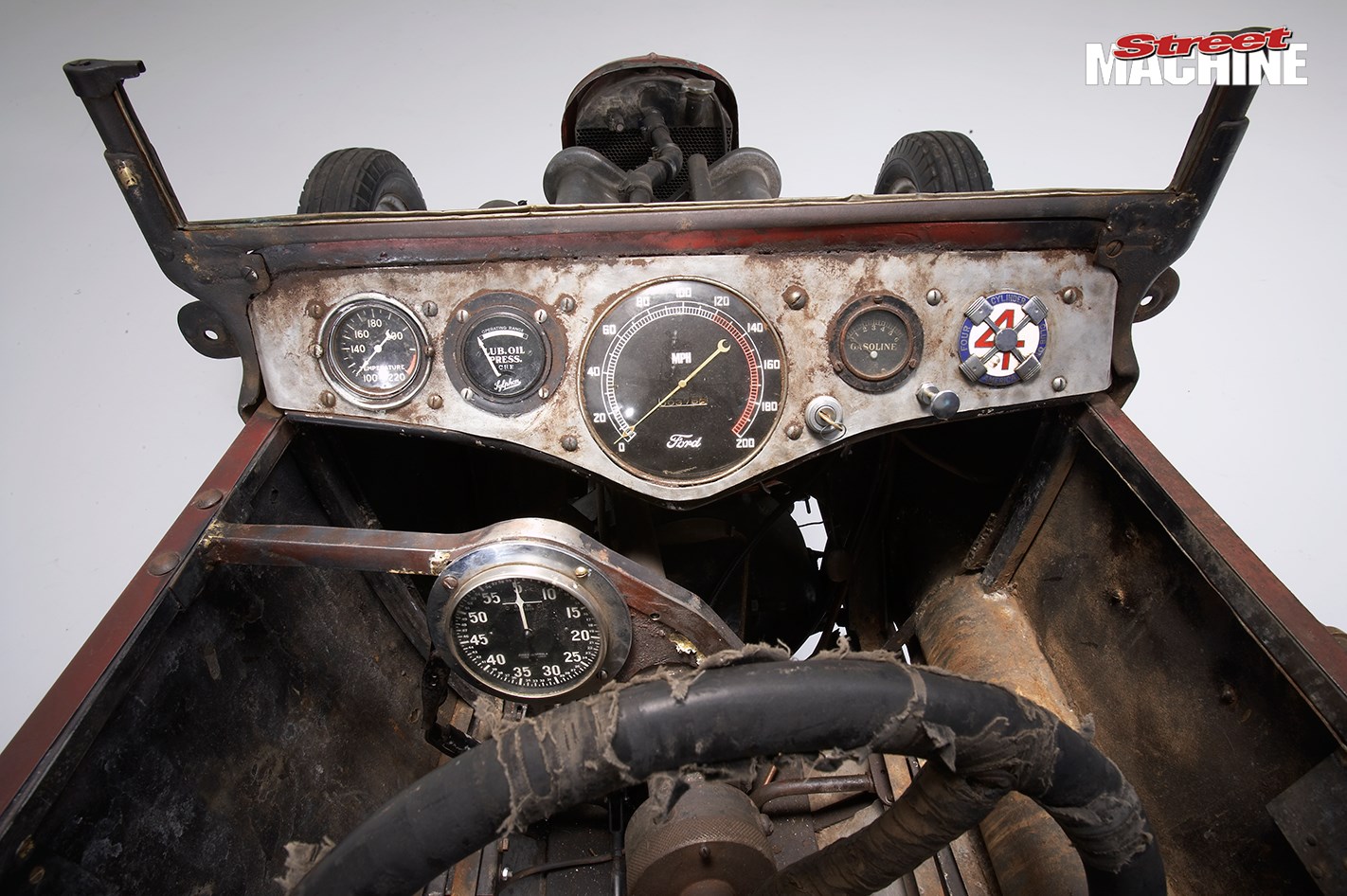
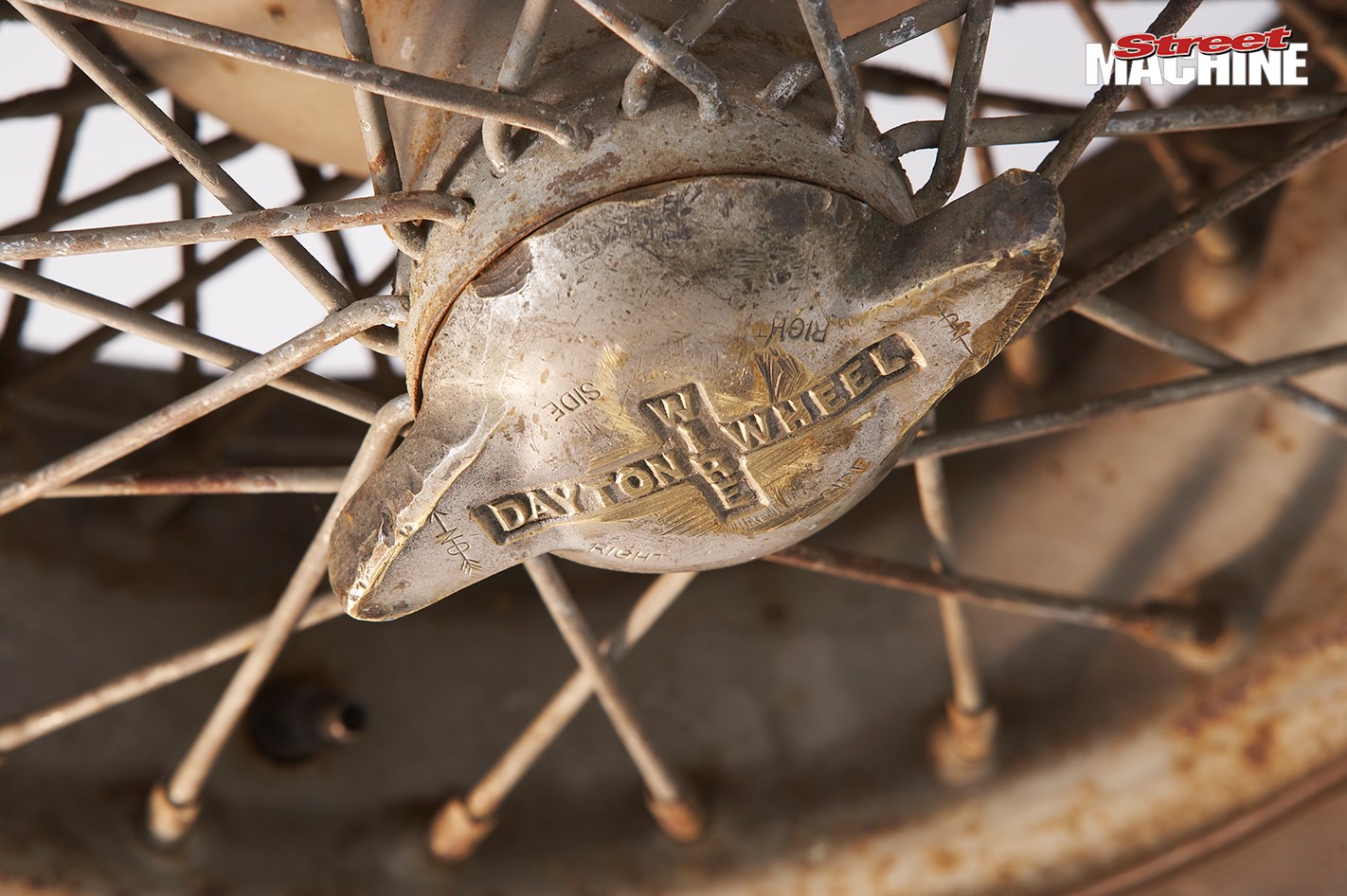
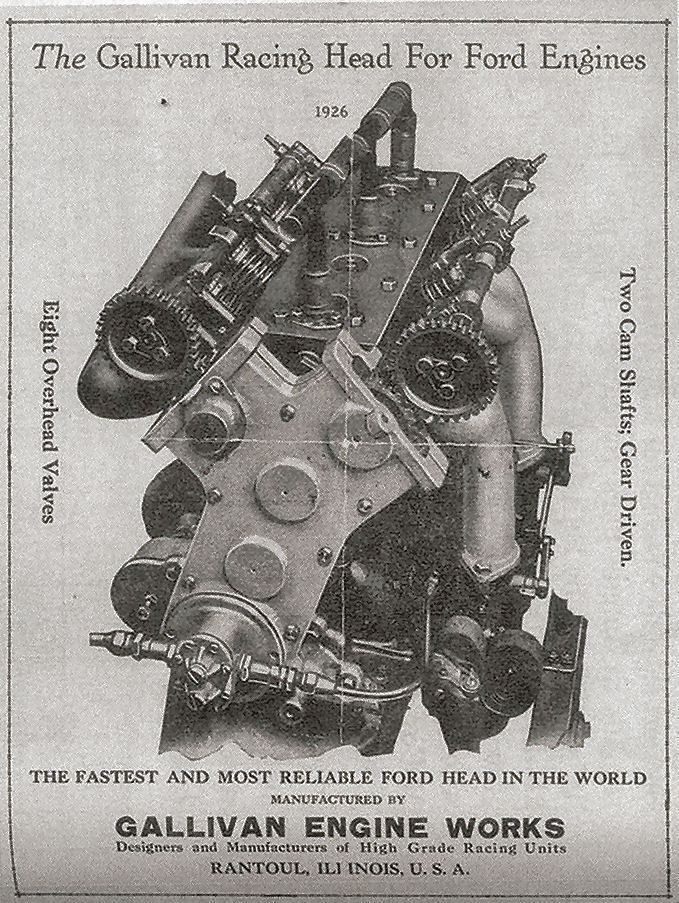
Its a bitsa special in the very best way; built in 100 days to attend a rat rod event in Sydney (yes this car is in Australia, not the US), it wasn't quite finished in time for the event, bu that does not diminish the quality of this car. Built around a Lloyd Fisher-raced Model T chassis modified back in the 40's to make a midget racer (i.e. single seat), it was then populated with car builder Colin Wade's collection of vintage T parts sprinkled with some tasty go-faster goodies; how about rare a two-speed Eaton Ruckstell rear axle? Not rare enough for ya? Then try the 1926 Gallivan gear driven twin-cam head sitting atop the usually sidevalve-driven T engine block; only six were ever made and this is probably the only one that is running right now. Suddenly, Ardun head for a flathead V8 look common as dirt in comparison.
Get down under for the full lowdown on this beaut, here.

- Amazosan


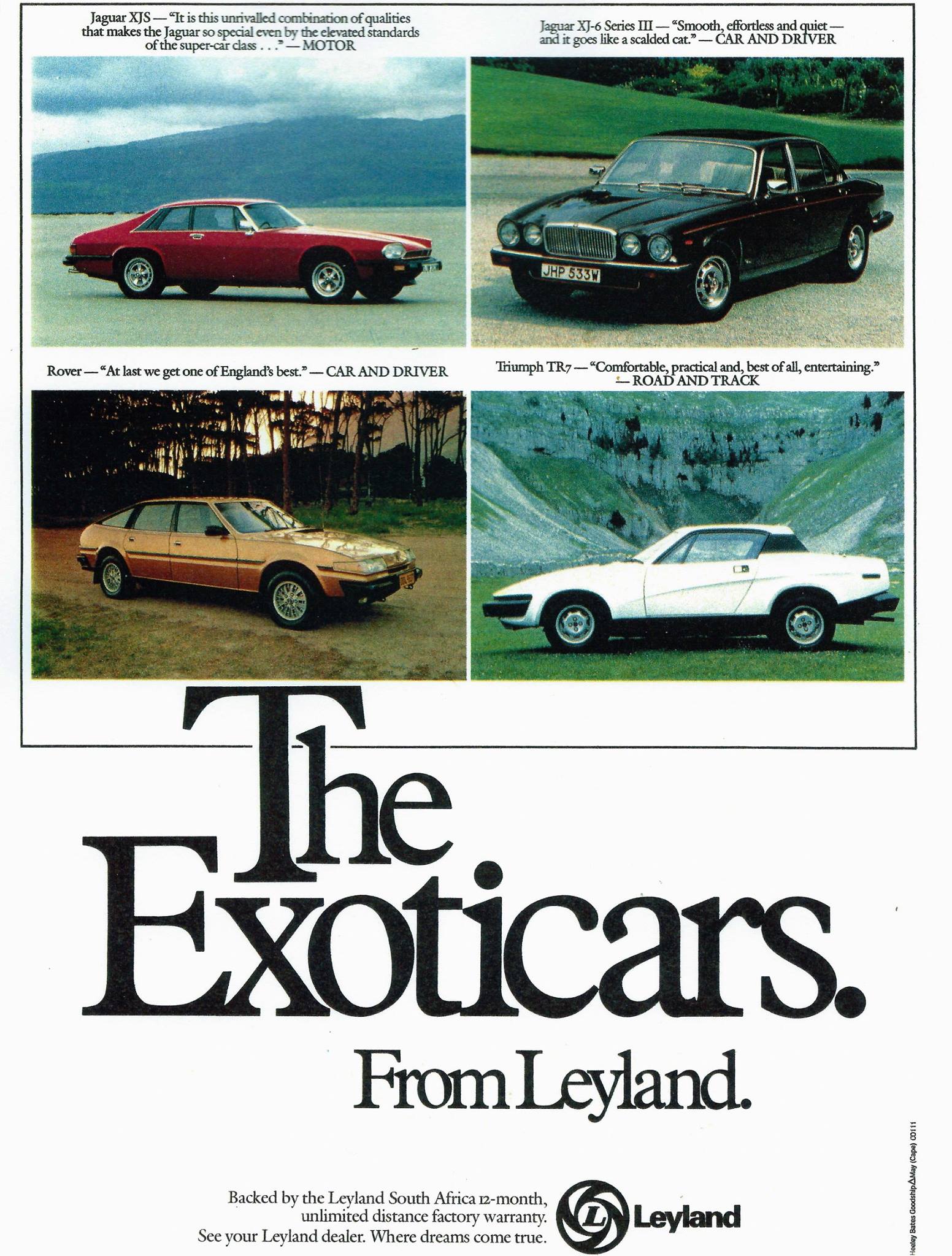
Commercial Break: Leyland 'Exoticars', 1981 (SA)


21 January 2015

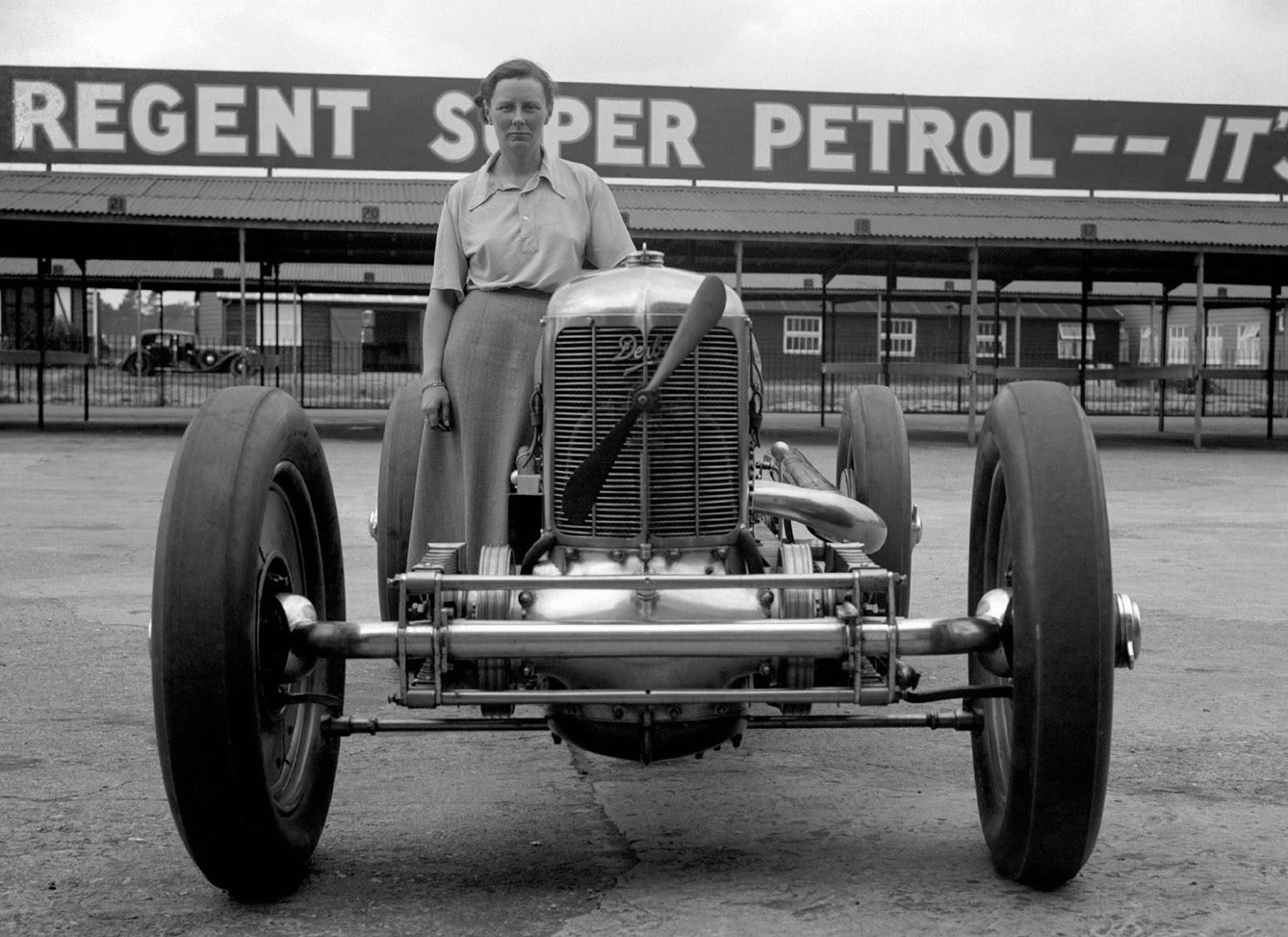
Derby-Miller Racing Car, Brooklands, 1935

Gwenda Stewart (nee Hawkes) with the Derby-Miller front wheel drive racing car. Like other marques of the period, Derby involved themselves in motor sport, with driver Douglas Hawkes's front wheel drive Miller with Derby parts (dubbed a Derby-Miller) acting as a testbed and promotional tool; that it was driven by Gwenda Stewart did not hurt publicity either. He had bought into the Derby factory in 1930, helped by his then father-in-law Charles Kinisson.
Although Stewart had been known to say that she preferred record-breaking to racing as it required less effort, she was nevertheless a quick and skillful racer; she raced at Montlhéry, taking a Land Speed Racing 1.5 litre class record at in 1930, with a standing mile at 118.13mph. She also raced at Brooklands, and twice at the Le Mans 24 Hours, in 1934 and 1935. She was partnered by Louis Bonne and Charles Worth respectively, but retired early both times.