
Showing posts with label 1963. Show all posts
Showing posts with label 1963. Show all posts
23 October 2015


17 October 2014
1963 Ford Falcon Futura - Hindsight
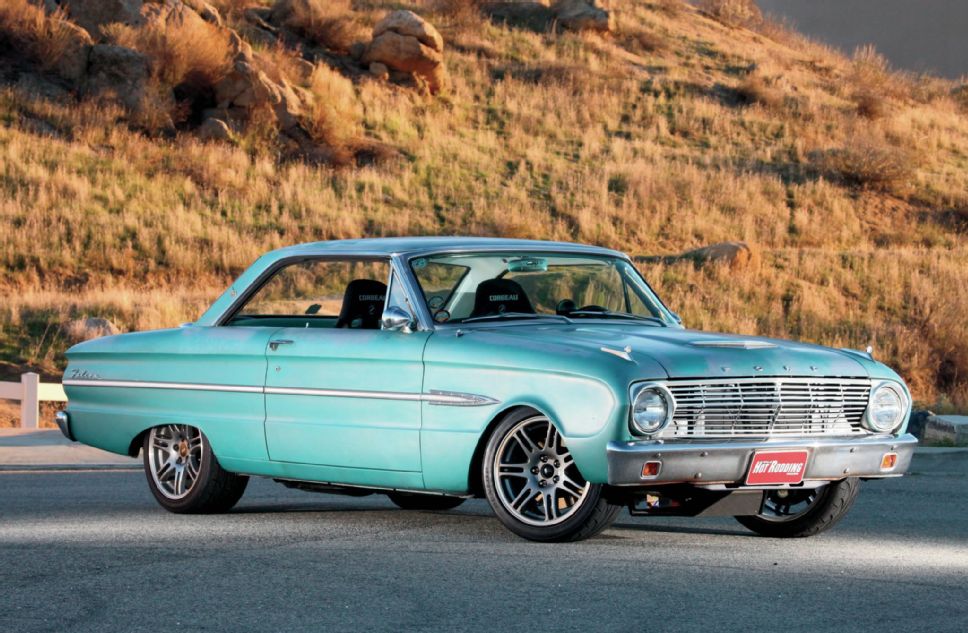
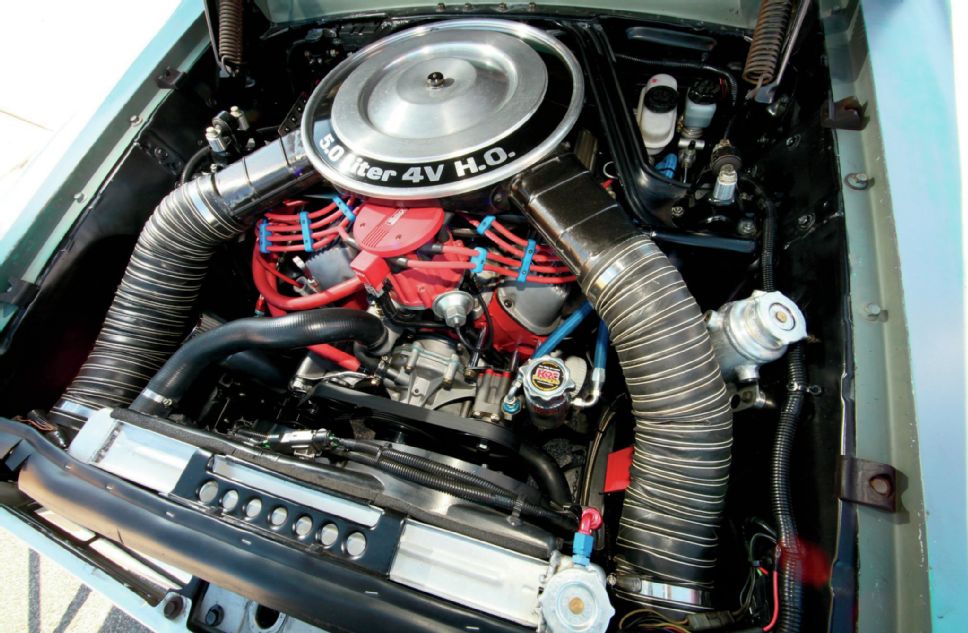
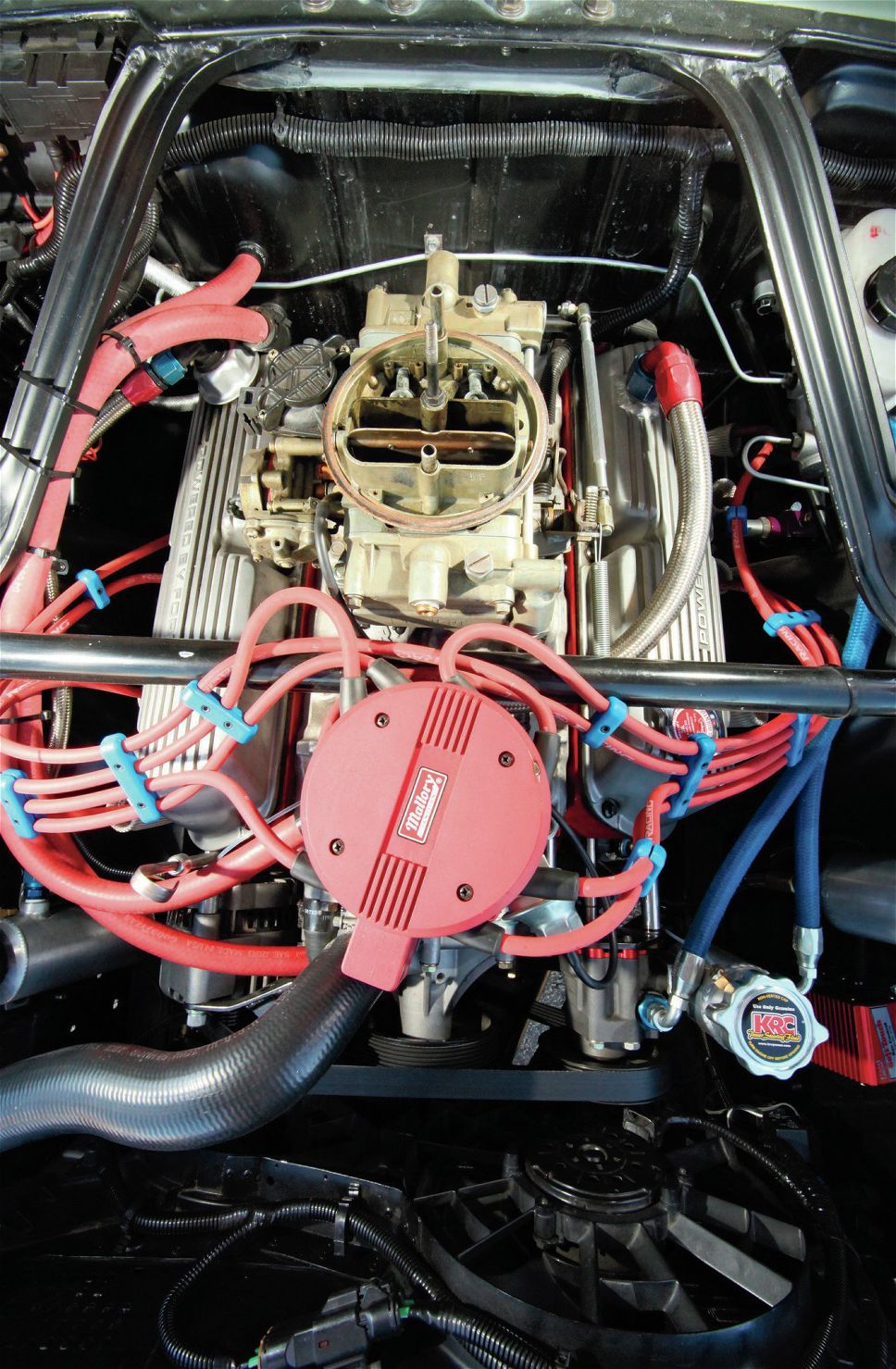
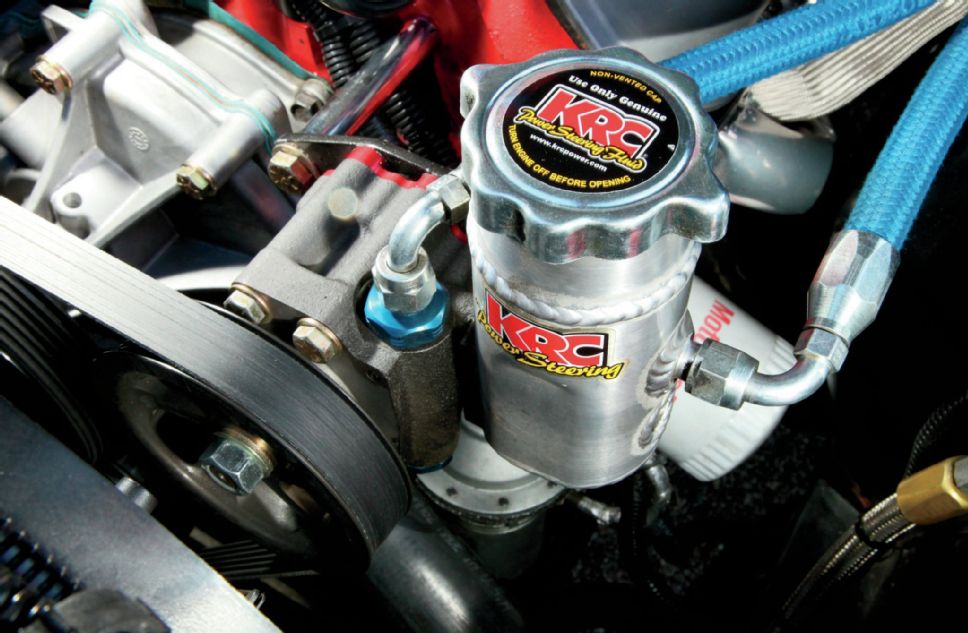
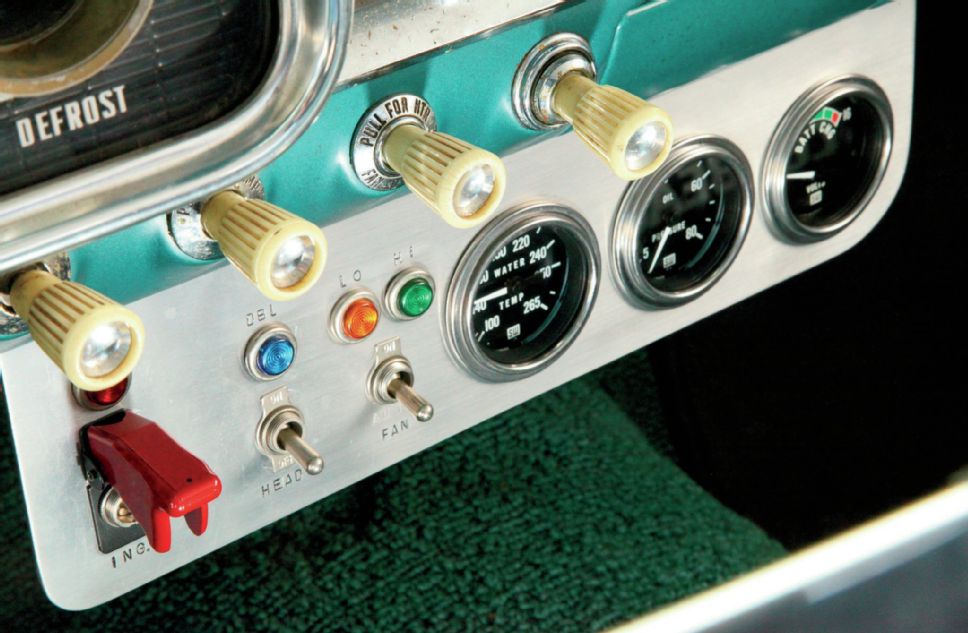
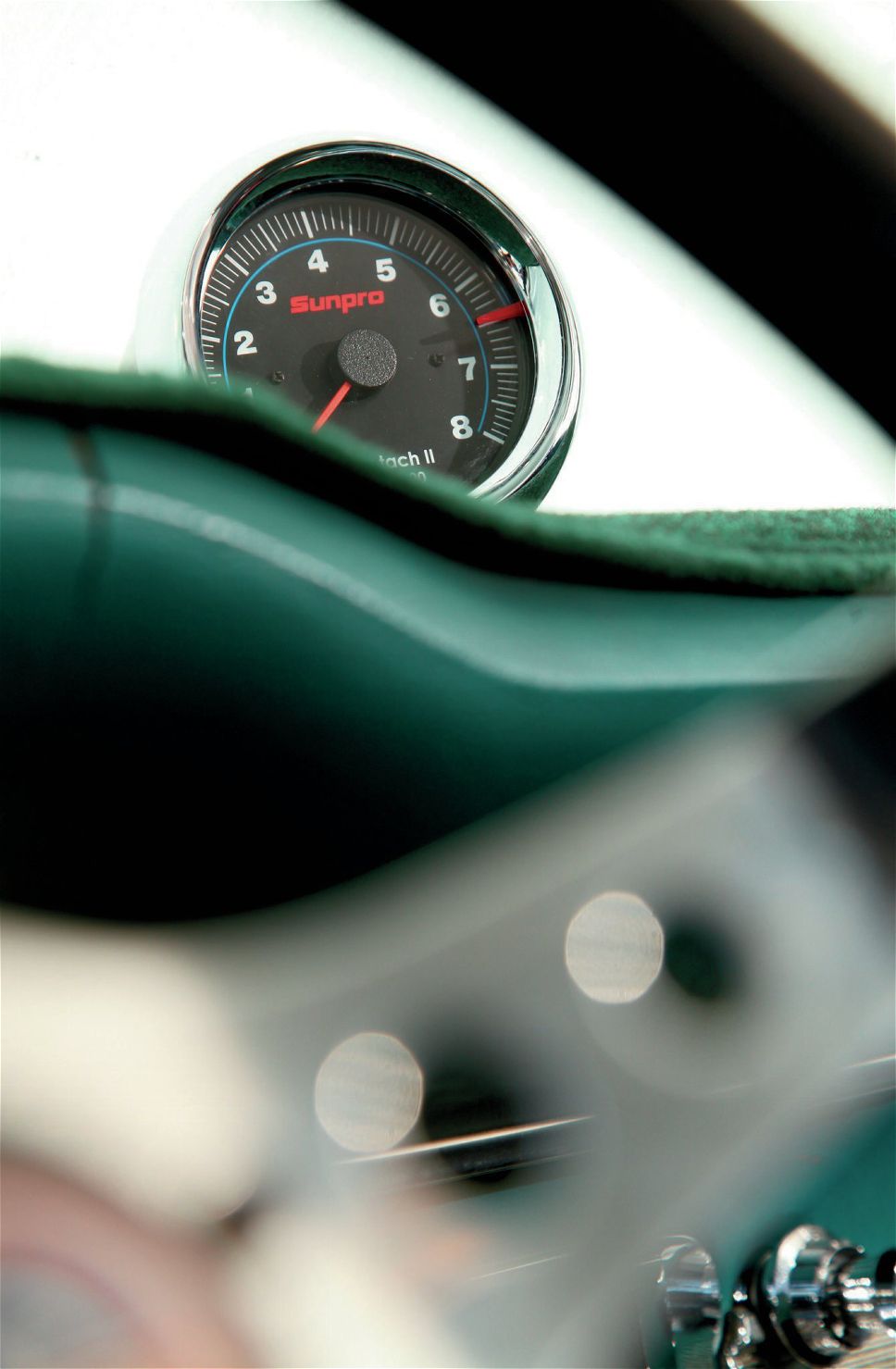
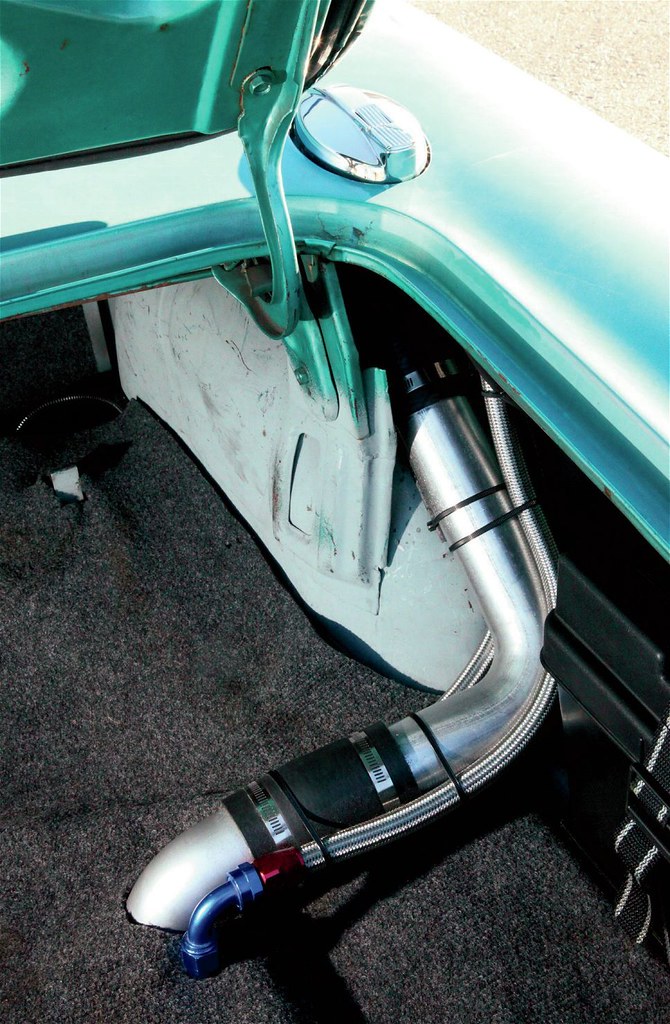
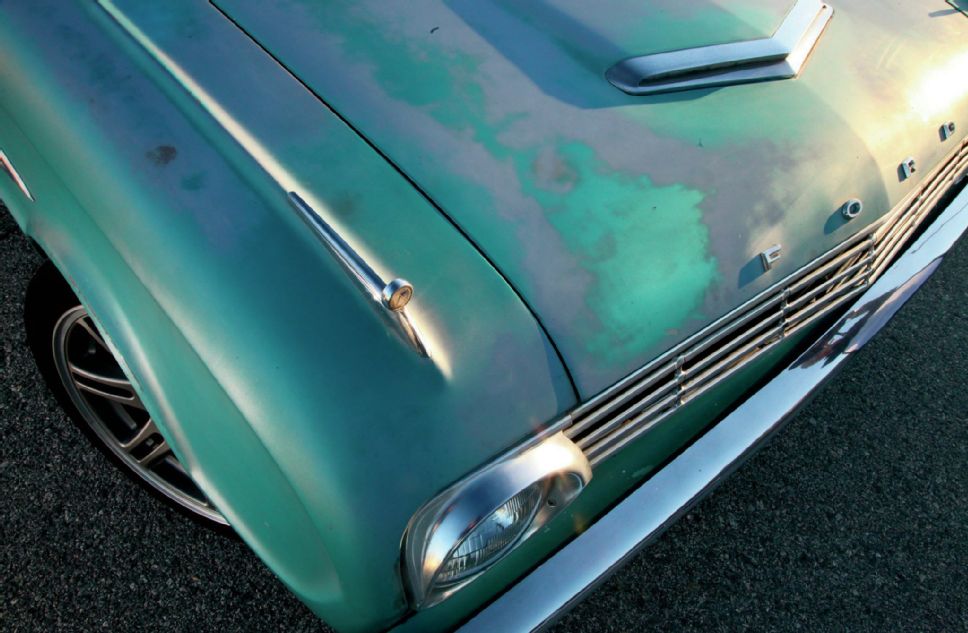
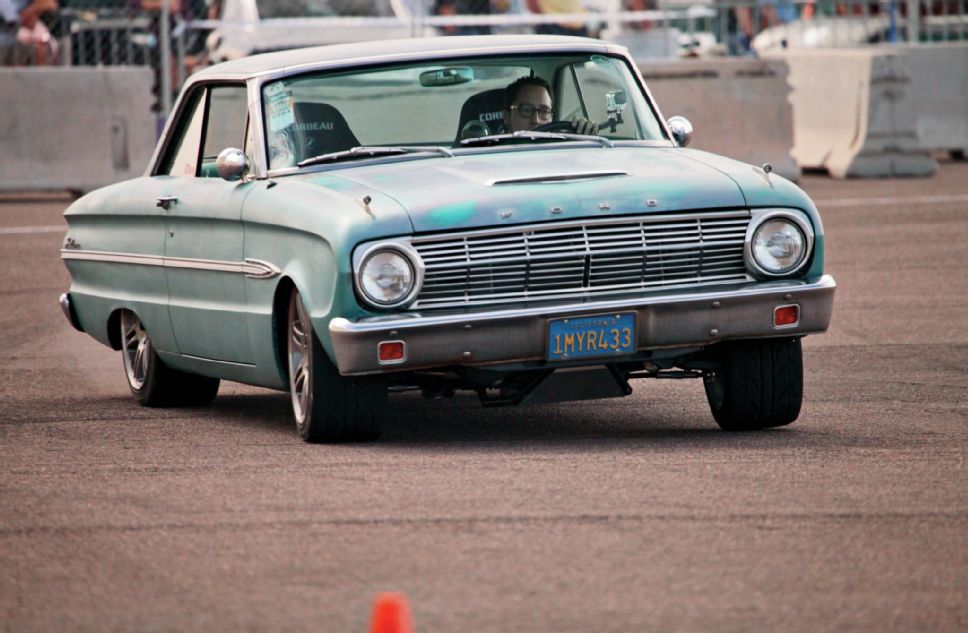
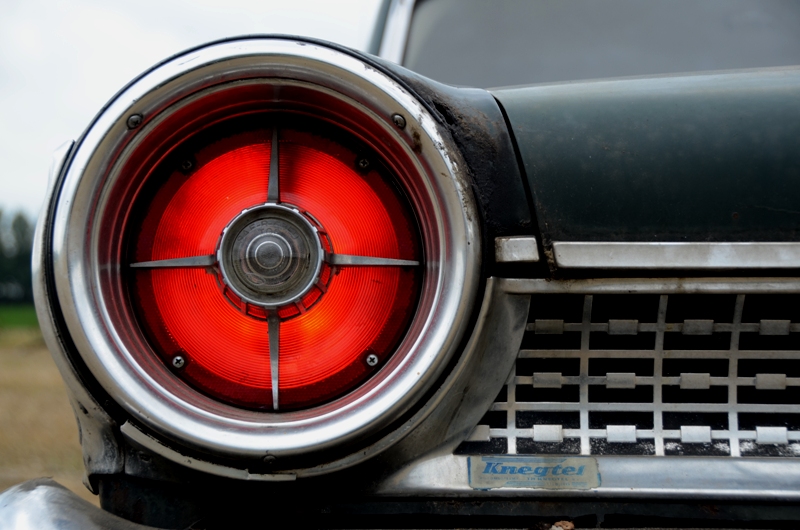
A 1960's hardtop coupé body, Windsor V8, independent front end, leaf-sprung live axle out back. If it sounds like the basic spec for the original Ford Mustang, you'd be right, sort of: the Mustang originally came with a straight six engine, three speed auto gearbox and the running gear that originally came from the Ford Falcon. So it feels appropriate that Craig Johnson, the owner of the car above, upgraded his Falcon Futura to the spec it's in now, to compete in the Goodguys autocross series in the US. a 5.0 HO V8 with T5 'box from an '89 Mustang, rebuilt front end incorporating parts from a '68 Mustang, '65 Shelby Mustang, '86 Mazda RX7 and '05 Nissan 350Z (1), 8.8 rear axle from a Ford Explorer with 3.73 gears and a whole bunch of parts to enable this Falcon to fly around a gymkhana course.
Read more about the car here.
- Amazosan
POSTSCRIPT: the article contains the line "You don't know what you've got, 'til it's gone." , which aptly describes the magazine in question, Popular Hot Rodding. Unfortunately the publishers (formerly Source Interlink, now The Enthusiast Network) took the discontinue the magazine with the September 2014 issue after 52 years of publishing. A few other magazines in TEN's portfolio have been discontinued as well (most notably the legendary Rod & Custom magazine), victims of being under the same roof as the likes of Hot Rod and Street Rodder, publications that at one time were competitors from separate publishers. No doubt there are sound business reasons behind the move, but ts a shame to see them go.



2 April 2014
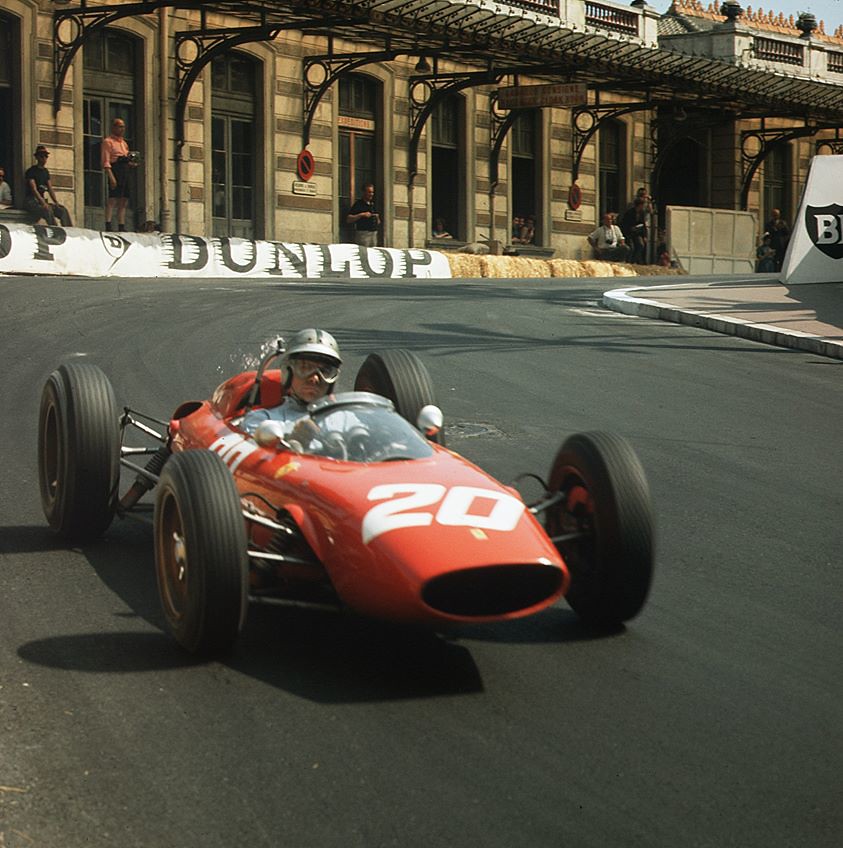
Monaco Grand Prix, May 26, 1963
Willy Mairesse, driving the Ferrari 156. he would retire on lap 27 with gearbox failure, but would be classified 10th ; Graham Hill in the previous season's BRM P57 won the race. In typical BRM fashion, a new model was not prepared in time for the 1963 season, so to keep the P57 competitive, a new 6 speed gearbox was mounted to the engine, which also featured a new fuel injection system.
12 March 2014
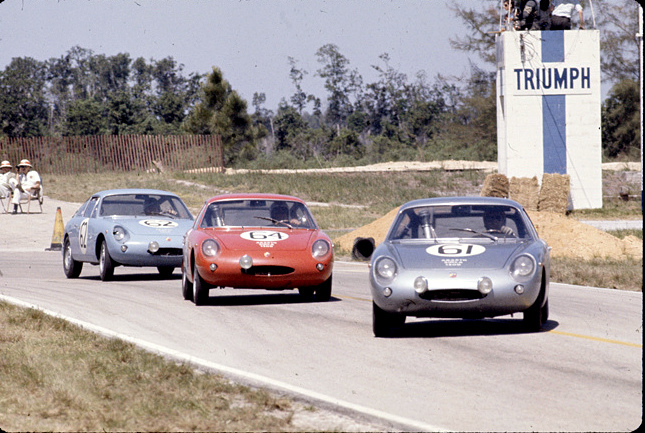
Abarth-Simca 1300 Bialbero racers, Sebring 1963
Photo: The Henry Ford/Dave Friedman
Abarth Corse entered these three 1300 racers at Sebring in 1963; the no.61 Bialbero was driven by Tommy Spychiger and Teddy Pilette, the no.64 car by Bob Grossman and Ray Cuomo and the no.62 car by Piero Frescobaldi and Giampiero Biscaldi.
Only the no.61 car finished; in 21st position.
Abarth Corse entered these three 1300 racers at Sebring in 1963; the no.61 Bialbero was driven by Tommy Spychiger and Teddy Pilette, the no.64 car by Bob Grossman and Ray Cuomo and the no.62 car by Piero Frescobaldi and Giampiero Biscaldi.
Only the no.61 car finished; in 21st position.
20 March 2013
1963 Plymouth Fury - The Gas Bubble
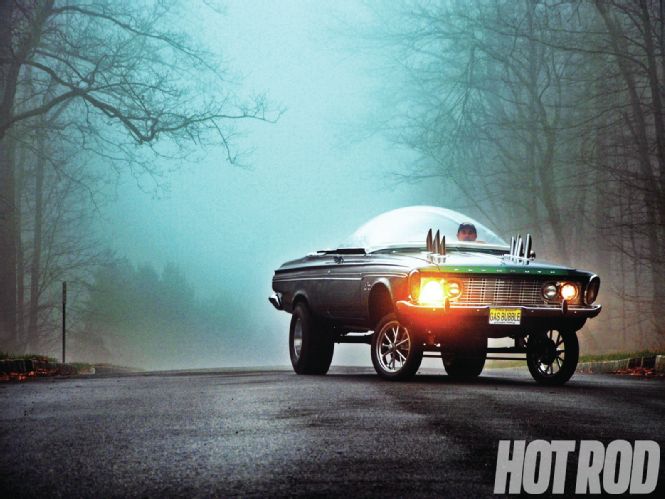
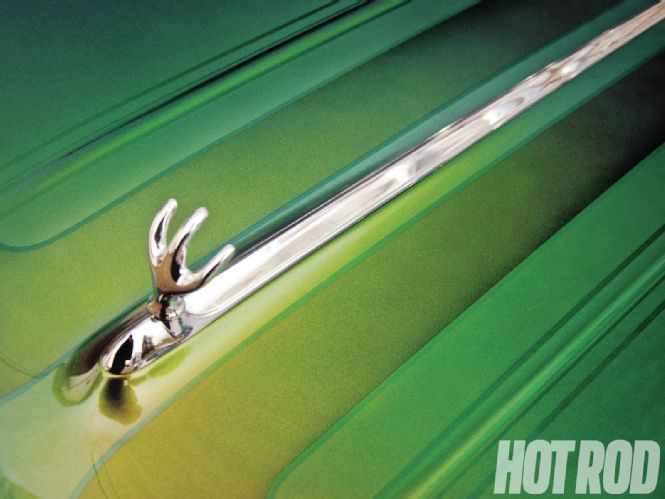
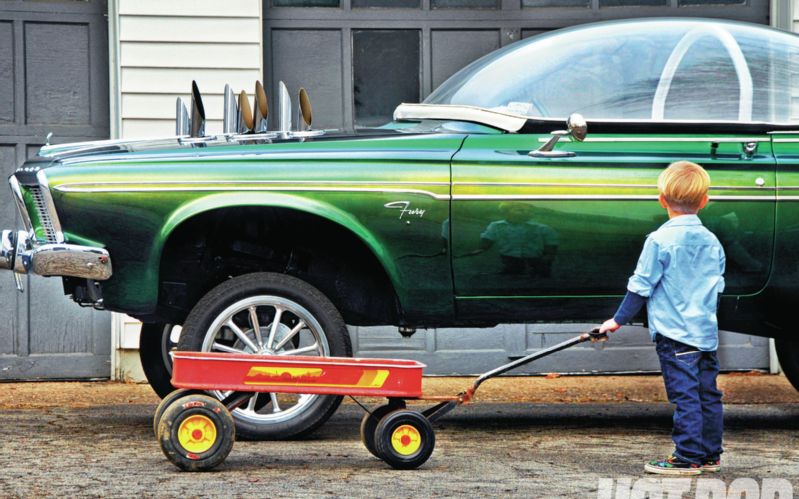
I'm want to exclamation more often than I should, and usually for negative reasons, but seeing the car above hone into view on my Facebook feed as a result of Hot Rod's post bought out a 'What The Funk?!?' moment of the positive kind. Once the rest of the guys in the office had pulled me down from the ceiling, we all wondered: new or old build? This car could quite easily have been a cover car from a HRM in the 60's, but the Gas Bubble is a brand new build.
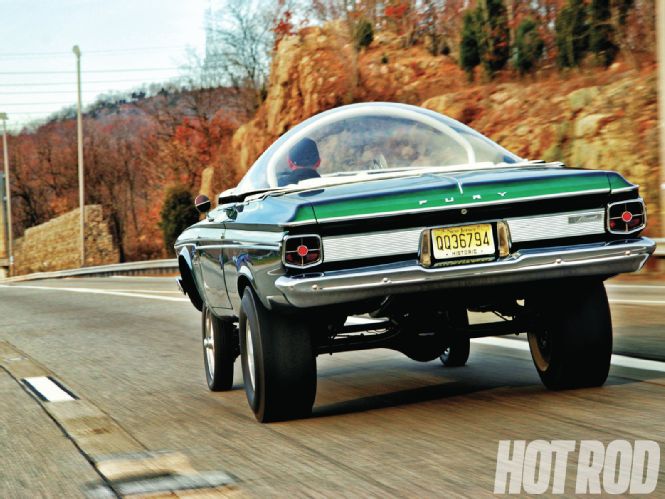
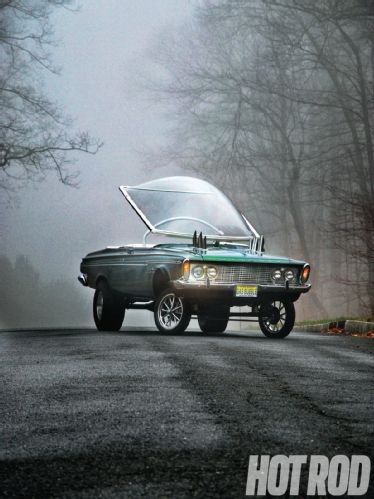
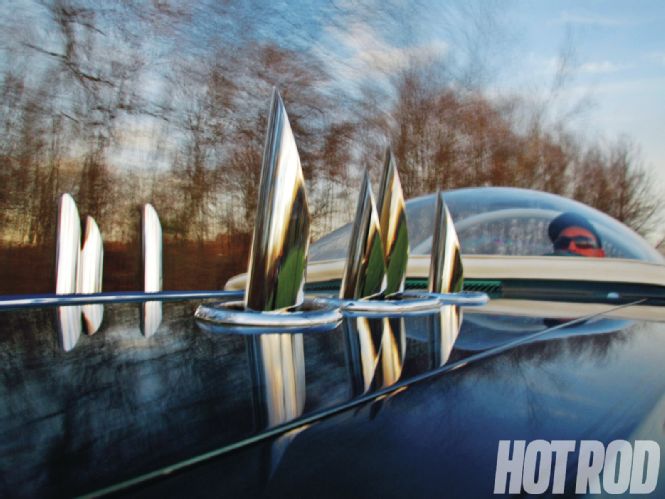
Incredibly, there's not as many modifications as you may think. The base car is a 1963 Plymouth Fury convertible, an overlooked slice of early 60's automotive Americana and the body mods are confined to that amazing Roth-esqe, Starbird-esqe bubble top, a sharp rise in ride height courtesy of a straight tube axle and those downright evil exhaust stacks exiting the 426ci Wedge through the bonnet.
I'd recommend reading the article that goes with this car; meanwhile we'll be looking at PA Crestas in the classifieds and dreaming of vista views.
- Amazosan


5 March 2012

29 February 2012
1963 Ford Unibody - Hole In One

What do you do if you have too much time on your hands? Pluck your nose hairs? Sort out your sock draw? Stare blankly at Facebook? I bet the last answer on your mind was build a pick-up truck.
Well Brad Gortsema thinks differently from the likes of us; having just finished one project car, he decides to take on this 'unibody' 1963 Ford F100. Unibody? Well not quite. The nickname comes from the fact that the cab and bed are one continuous piece, with no gap between them. The same stamping forming the back of the cab was also the leading edge of the bed, and the single-wall bed sides were spot-welded directly to the door sills. The one-piece body was then set atop a traditional seperate chassis, making the 'unibody' pick-up more similar to a body-on-frame car, like the contemporary Falcon-based Ranchero. the problem with this radical approach was that the Unibody, shall we say, wasn't as robust as the equivalent separate-cab, separate-bed F100s, with stories of doors jamming open or closed when the bed was fully loaded due to body flex; so bad were the problems that Ford pulled the plug on the Unibody after only two years in 1963 and went back to the separate cab and beds used on the 4x4 models.
Brad's particular well-used example was suffering from old age as well as the 'Unibody Flex', so his initial plan to quickly sell it on for a profit turned into a full-blown project. Thankfully his Dad owns Gortsema Customs, so the two of them massaged the tired F100 into the baby blue (and white), Buick-powered picture of perfection you see here.
Bend your attention and yield to our flexible friend here.


28 November 2011
Citroën VTS-powered Panhard PL17 - PanHARD
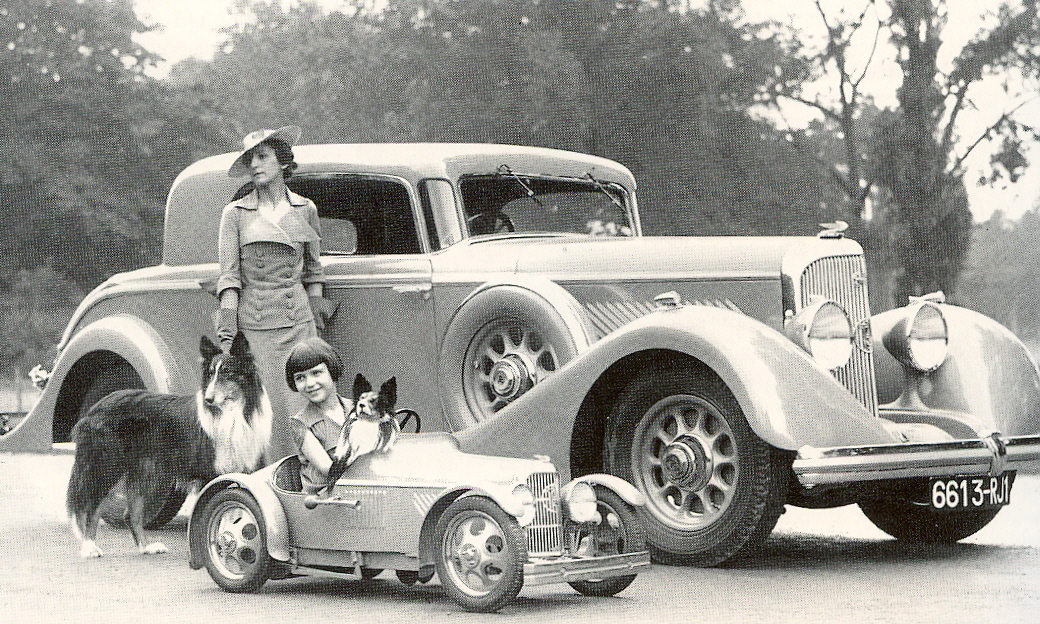
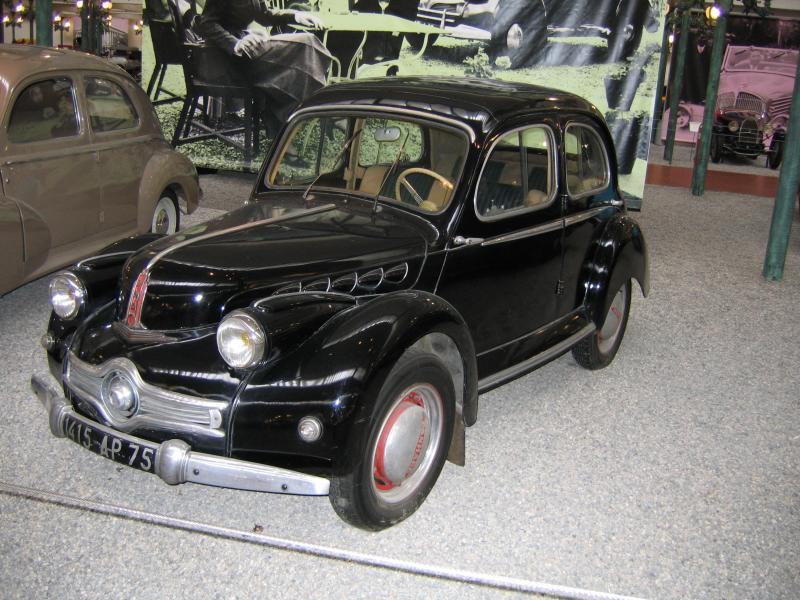
Panhard et Levassor (or Société des Anciens Etablissements Panhard et Levassor, to give them their full title); one of the oldest names in the car industry, having been formed in 1891 (6 years after Benz & Cie and a year after Daimler-Motoren-Gesellschaft was formed), they were one of the largest and most profitable manufacturer of automobiles before World War I. They were also one of the early pioneers in motorsport, having won numerous races from 1895 to 1903. They also developed the Panhard rod, a type of bar that provides lateral location of a solid rear axle which became used in many other types of automobiles and is still known by that name to this day. They produced some fantastic luxury cars in the inter-war period, such as the 6CS and the Dynamic. Post-war (as plain old Panhard), they decided to build smaller cars, such as the Dyna X, the Dyna Z - and the PL17, below.
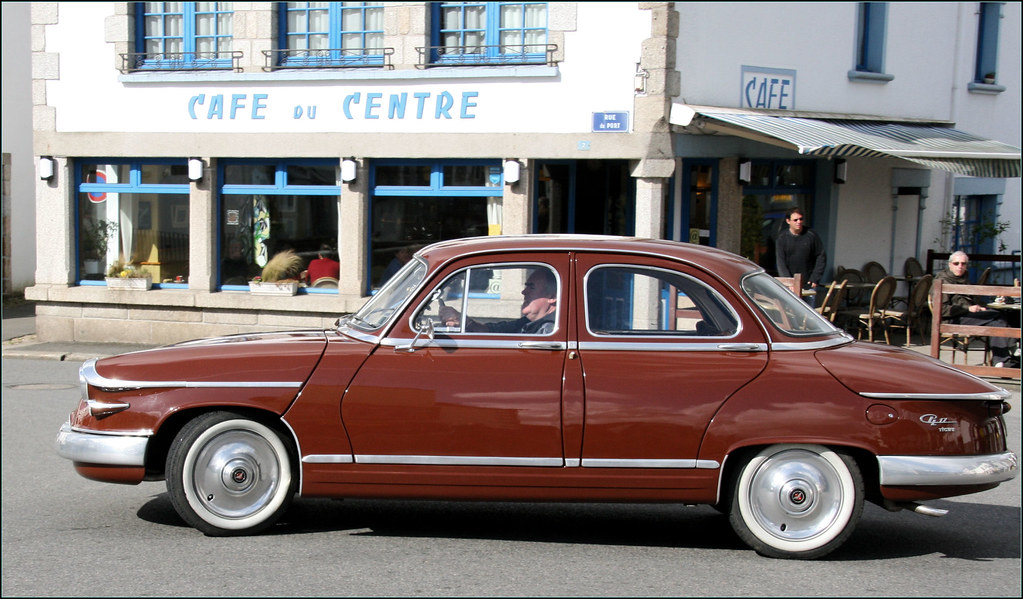
Unfortunately, the last Panhard passenger car was built in 1967 (the last models being the beautiful 24 BT & CT); the road car arm being absorbed by Citroën in 1965, with them retiring the marque completely in 1968. Panhard still exists as a company however (much like the original Bugatti still does, but that's another story); as from '68 on, they continued to make armoured vehicles, a field in which they are quite successful.


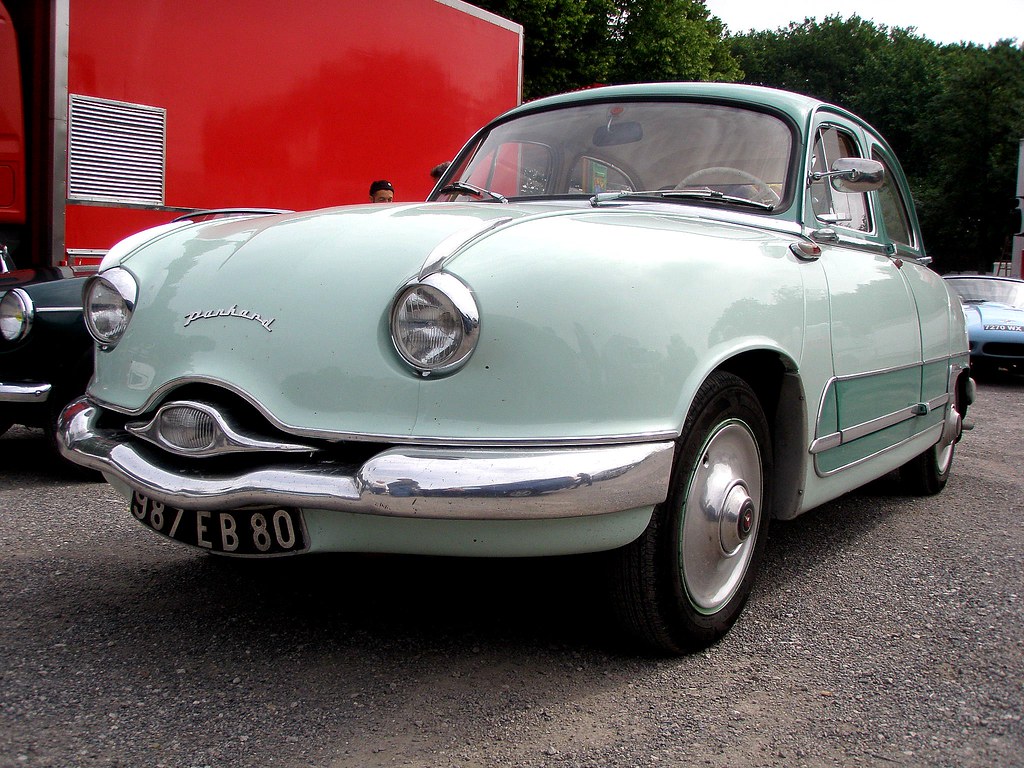
Going back to the PL17, a long-time favourite of ours; it may have a face only mama Panhard truly loves, but it's ugly duckling charm soon grows on you. Based on the preceding alloy-bodied Dyna 54, the PL17 debuted in 1959 and was powered by an 845cc air-cooled, flat-twin engine. It featured front-wheel drive, independent front suspension, torsion bar springing, aluminium bodywork (and a typically Gallic dashboard-mounted gearchange) at a time when Ford for example had just introduced the Popular 100E. The cars were fast for their size, economical and handled well; the now steel-paneled PL17 featured aerodynamic low-drag bodywork and, despite its small capacity engine, proved capable of conveying six passengers at 70mph while returning 40 mpg. The car's controversial looks ensured that it made little impact on the UK market; nevertheless a total of around 130,000 were sold - mainly in Europe - before production ceased in 1964.

A lovely old classic car, one that will definitely charm the socks off you, if not blow them off. You wouldn't buy a PL17 for say, hooning around on a track day, would you? Before you answer that unlikely question, read on, the example below takes that thought and leaves it in a cloud of it's own burnt rubber.



Unfortunately, the last Panhard passenger car was built in 1967 (the last models being the beautiful 24 BT & CT); the road car arm being absorbed by Citroën in 1965, with them retiring the marque completely in 1968. Panhard still exists as a company however (much like the original Bugatti still does, but that's another story); as from '68 on, they continued to make armoured vehicles, a field in which they are quite successful.
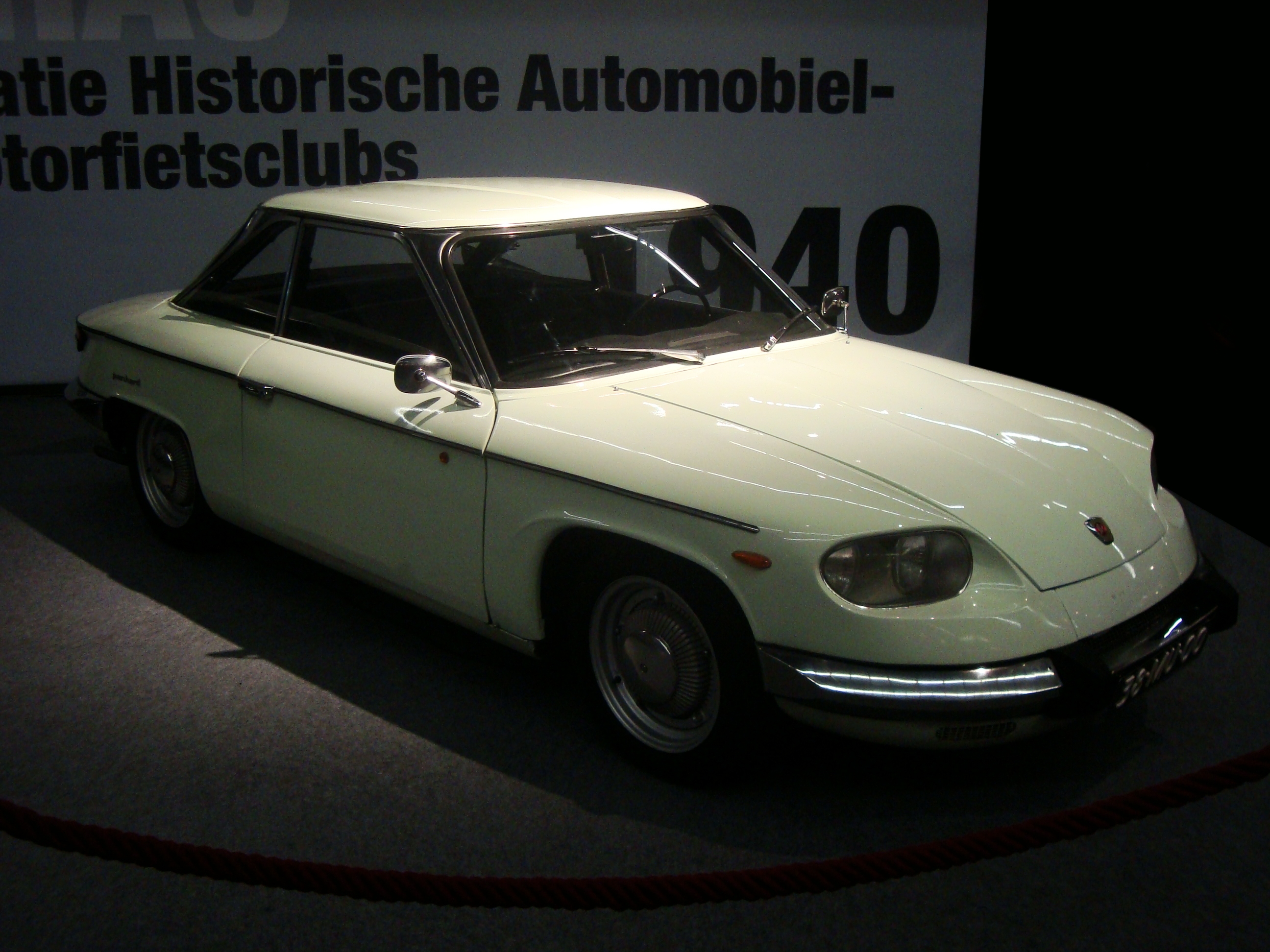
Going back to the PL17, a long-time favourite of ours; it may have a face only mama Panhard truly loves, but it's ugly duckling charm soon grows on you. Based on the preceding alloy-bodied Dyna 54, the PL17 debuted in 1959 and was powered by an 845cc air-cooled, flat-twin engine. It featured front-wheel drive, independent front suspension, torsion bar springing, aluminium bodywork (and a typically Gallic dashboard-mounted gearchange) at a time when Ford for example had just introduced the Popular 100E. The cars were fast for their size, economical and handled well; the now steel-paneled PL17 featured aerodynamic low-drag bodywork and, despite its small capacity engine, proved capable of conveying six passengers at 70mph while returning 40 mpg. The car's controversial looks ensured that it made little impact on the UK market; nevertheless a total of around 130,000 were sold - mainly in Europe - before production ceased in 1964.
 |
| Panhard affamé ! nom de nom ! |
A lovely old classic car, one that will definitely charm the socks off you, if not blow them off. You wouldn't buy a PL17 for say, hooning around on a track day, would you? Before you answer that unlikely question, read on, the example below takes that thought and leaves it in a cloud of it's own burnt rubber.
 |
| Est-ce que c'est tout que vous avez ? Je vous laisserai dans une traînée de mes propres vapeurs d'échappement. Hah ! |
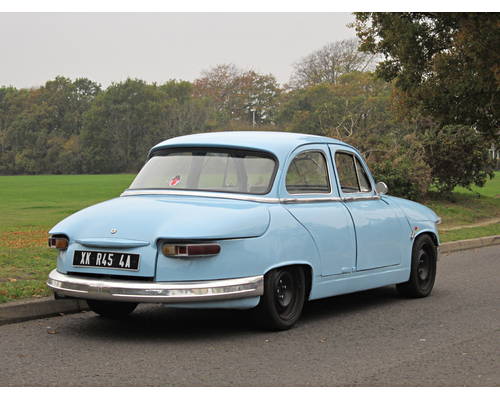
This rare 1963 RHD example has been modified to serve as just that. The original engine has been kicked out, in its place a powerplant from it's Citroën extended family; a 16 valve, 1600cc from a '98 Saxo VTS. To up the ante even further, theres Newman phase 3 cams, a chipped ECU, ported and polished throttle body; and Raceland induction kit. The exhaust system incorporates more Raceland goodies; no doubt this Panhard has a bark (backed by a 160bhp bite) that demands you take it's bug-eyed geekiness seriously in your rear-view mirror.
 |
| Est ce ce que le you'l verra qu'une fois j'ai exécuté l'acte de souffler vos portes outre de. Au revoir maintenant ! |
Other noteworthy features include a Group 'A' solid crossmember - watch those fillings - a 106 XSi gearbox (closer ratios than the standard VTS 'box), 306 GTi-6 front brake calipers gripping Brembo discs and OMP pads. Theres also Spax PSX adjustable dampers with matching 40mm springs on the front with a 40mm drop on the matching Saxo torsion bar; so to all intents and purposes this Gallic honey is singing from the PSA hymnsheet underneath, and while that may seem a tragic waste of a PL17 to some, you gotta admit the shock factor when this grand dame hitches up her petticoat and gives more modern machinery a run for their Francs would be worth the purchase price alone.
Its currently up for grabs at Bonhams December sale, on the 1st.
Subscribe to:
Comments (Atom)