Showing posts with label 1966. Show all posts

28 October 2015

Jag Mark X With XJR Engine - Ultimate X


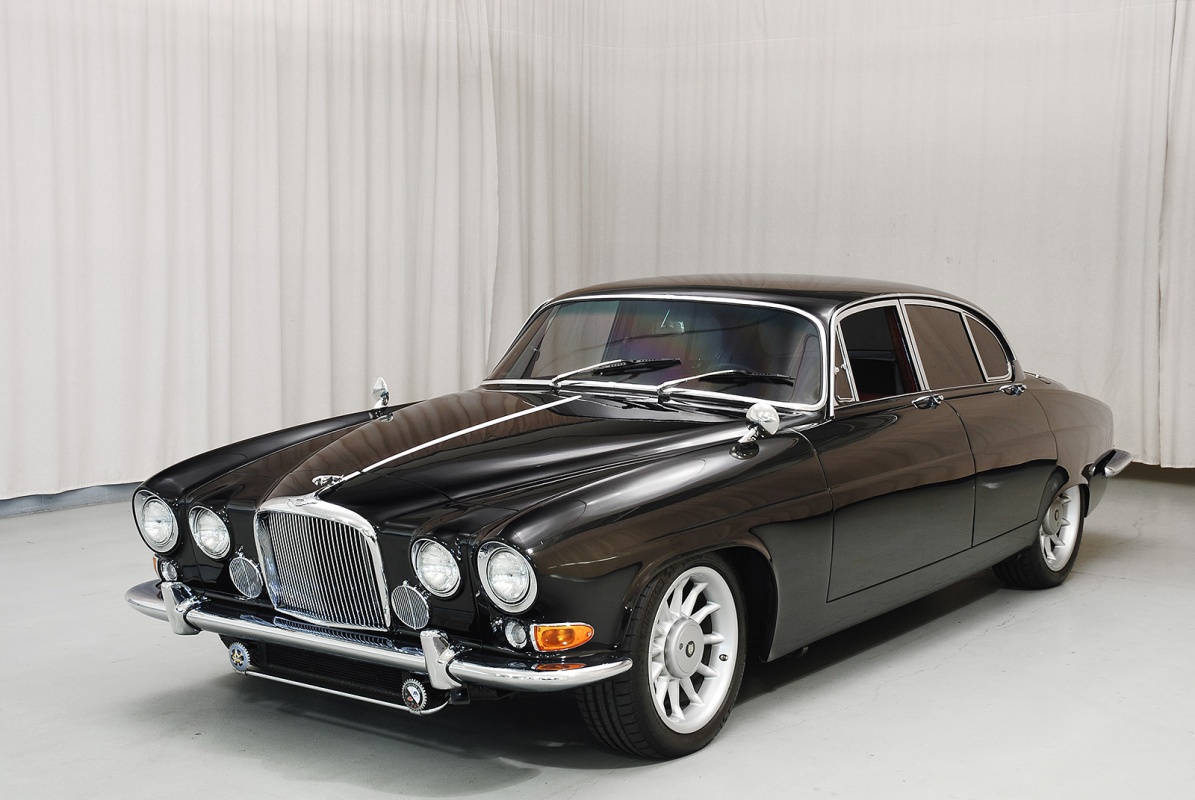
Two Jags in a month on The Effect? Don't worry, I'm not about to turn into that dastardly Browns Lane hoarder, John Prescott. But having said that, if these two Jags were parked in my garage, the prospect of that horrifying thought becoming reality would be a whole lot more palatable. Now this feline hot rod doesn't display it charms in quite such an overt way as that rather outre XJS; not for this car a Jimmy-blown small-block and rear wheels the size of weather balloons, oh no. Now I'm a sucker for that Pro-Street look, but the way this 1966 Mark X keeps its muscle discreet is probably more to my liking.
The big, luxurious Jaguar Mark X saloon debuted in 1961 and was the company's largest and best equipped car to date. It was fitted with the XK straight six (taken to 3.8 litres), four-wheel disc brakes and was the first Jaguar saloon with fully independent rear suspension. The body styling was long, low and wide, and sported the now-familiar four headlight design theme that would evolve into to the XJ6 and go on to become the face of every Jaguar saloon for almost 50 years.
The Mark X wears its girth amazingly well; larger than the XJ6 that replaced it and until the XJ220's arrival in 1992, stood as the widest production Jaguar ever built. Rumoured at one point to have been designed to take the V12, it had to make do with that classic 1949 XK engine; classic but struggling to propel a two ton car in a manner that its looks deserved, not helped by sitting awkwardly on 14" wheels and a relatively narrow track.
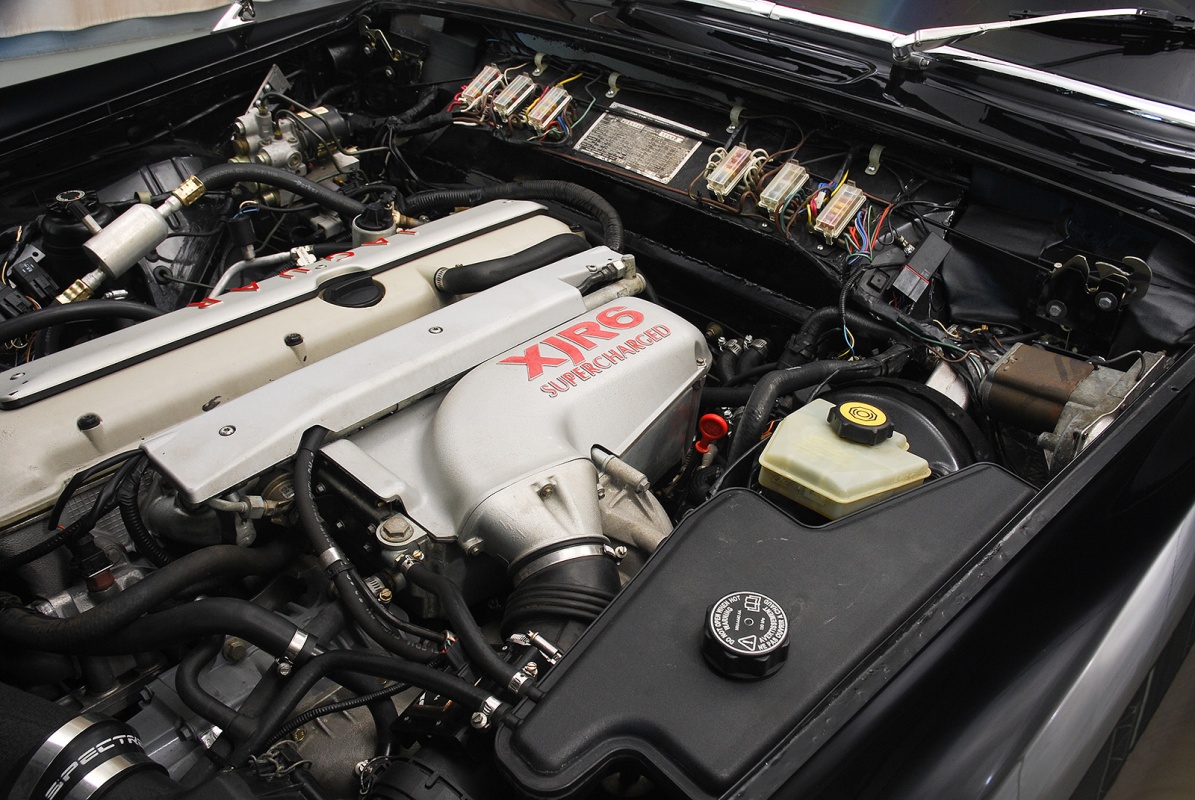
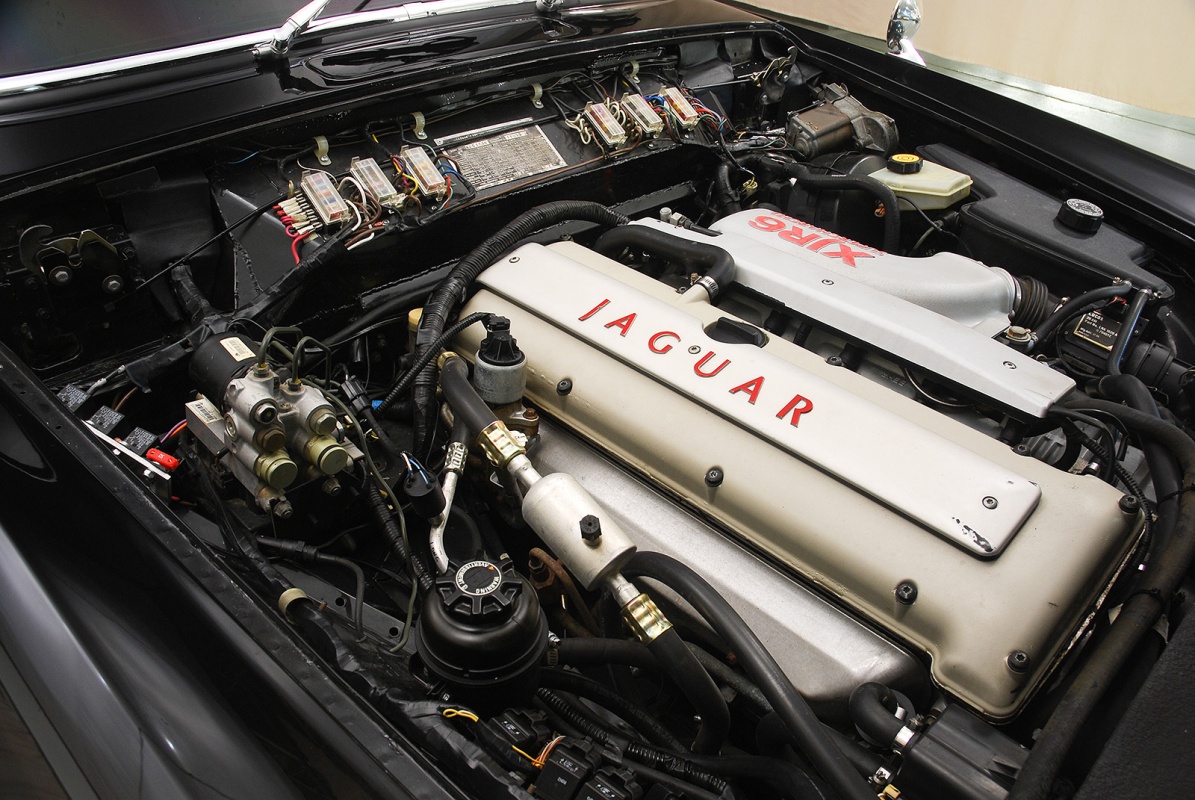
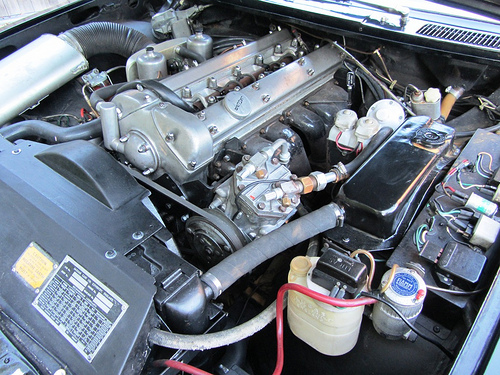
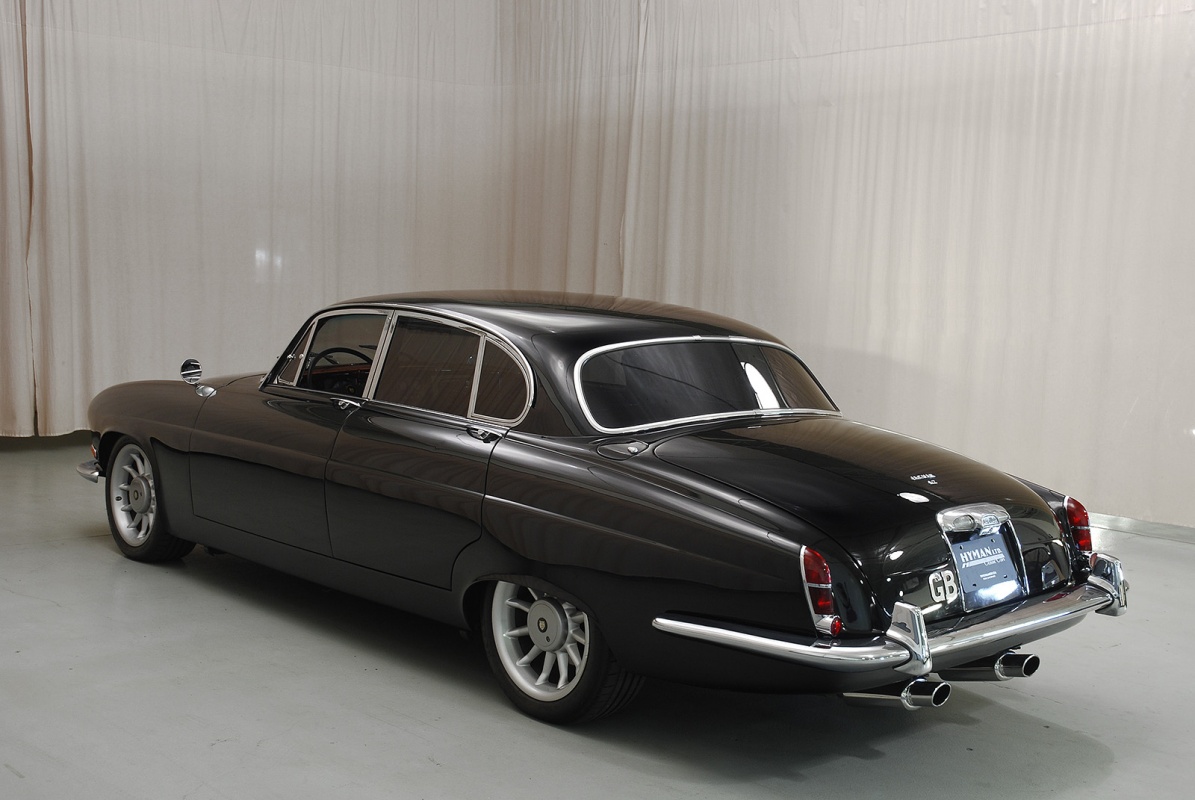
But someone corrected that with this Mark X by installing the complete drivetrain from a 1996 Jaguar XJR; that means the suspension, ABS brakes, four-speed automatic transmission and of course its Eaton M90 supercharged 4 litre AJ16 inline six, with 322bhp and 378lbs/ft of torque.
This particular car was a solid but tired example ready for a restoration and judging by the pictures, the quality of the finish is up to the same standard as the engineering; brightwork have been restored to show quality levels while panel fit looks outstanding, and laser-straight paint cloaks the curvy body, accentuated by Aston Martin DB7 alloys filling the wheel arches.
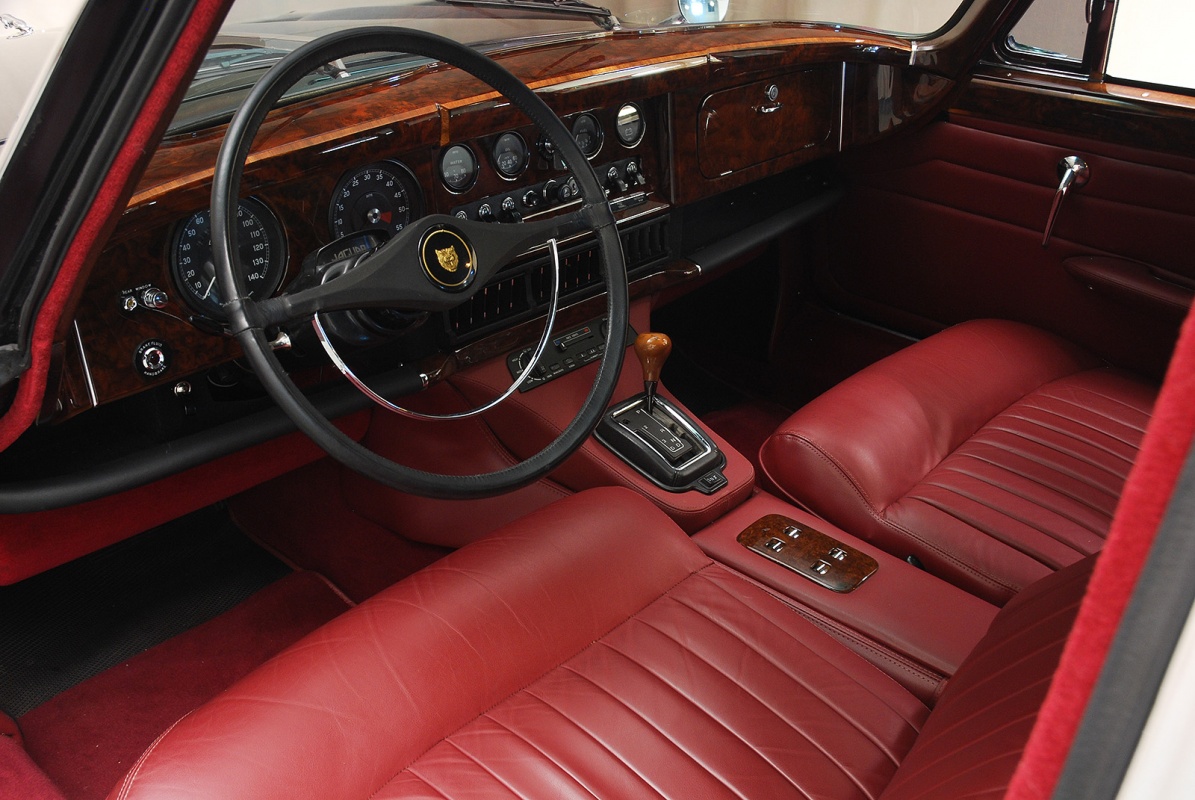
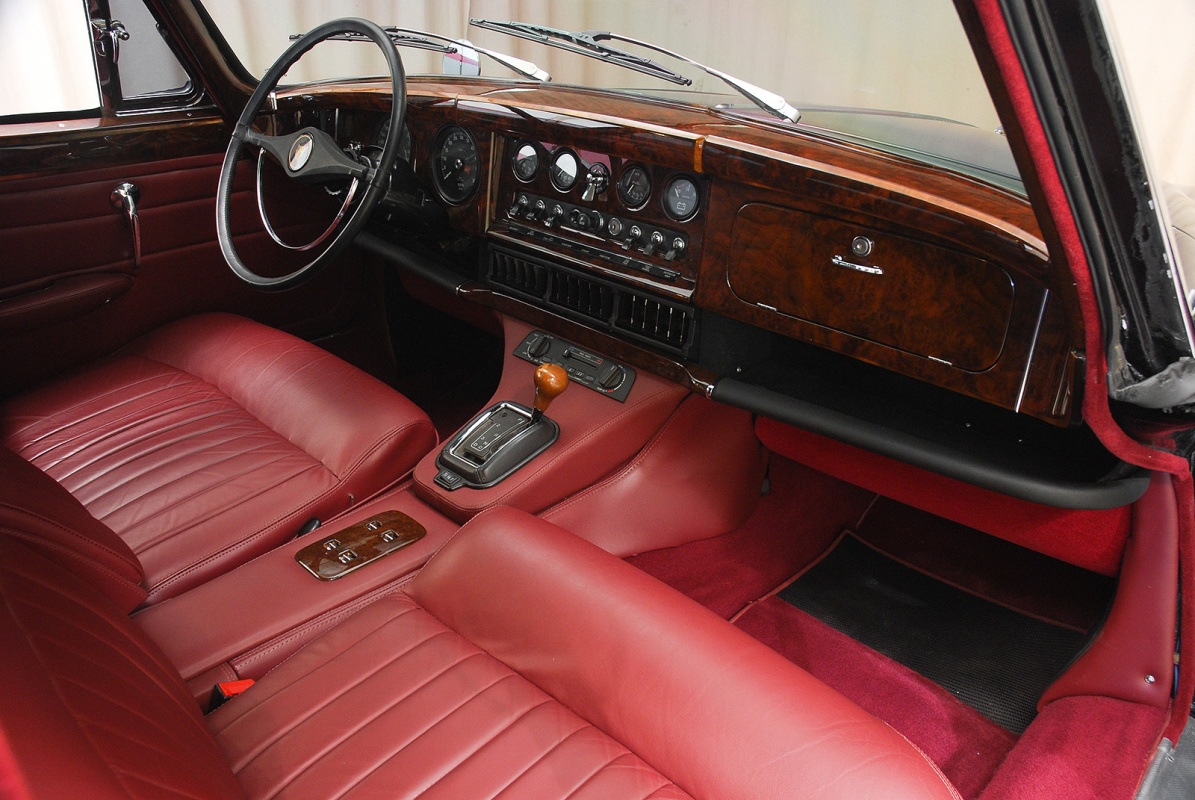
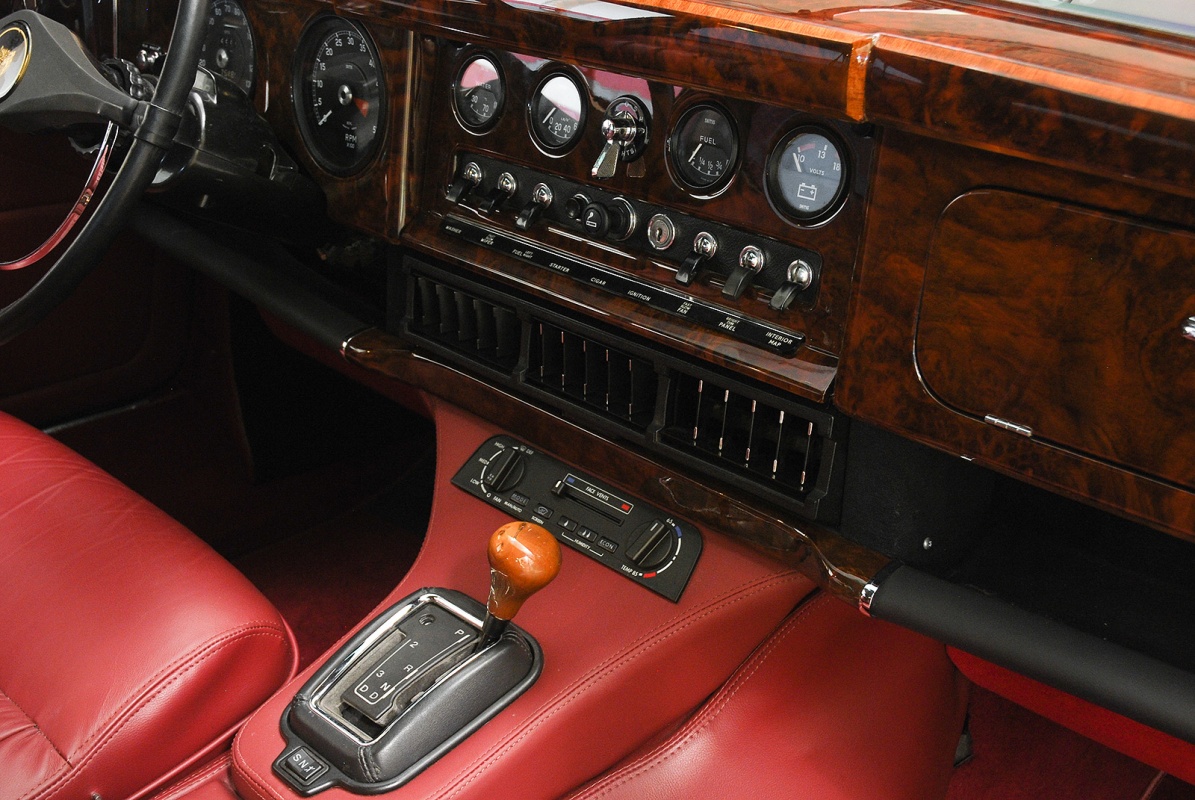
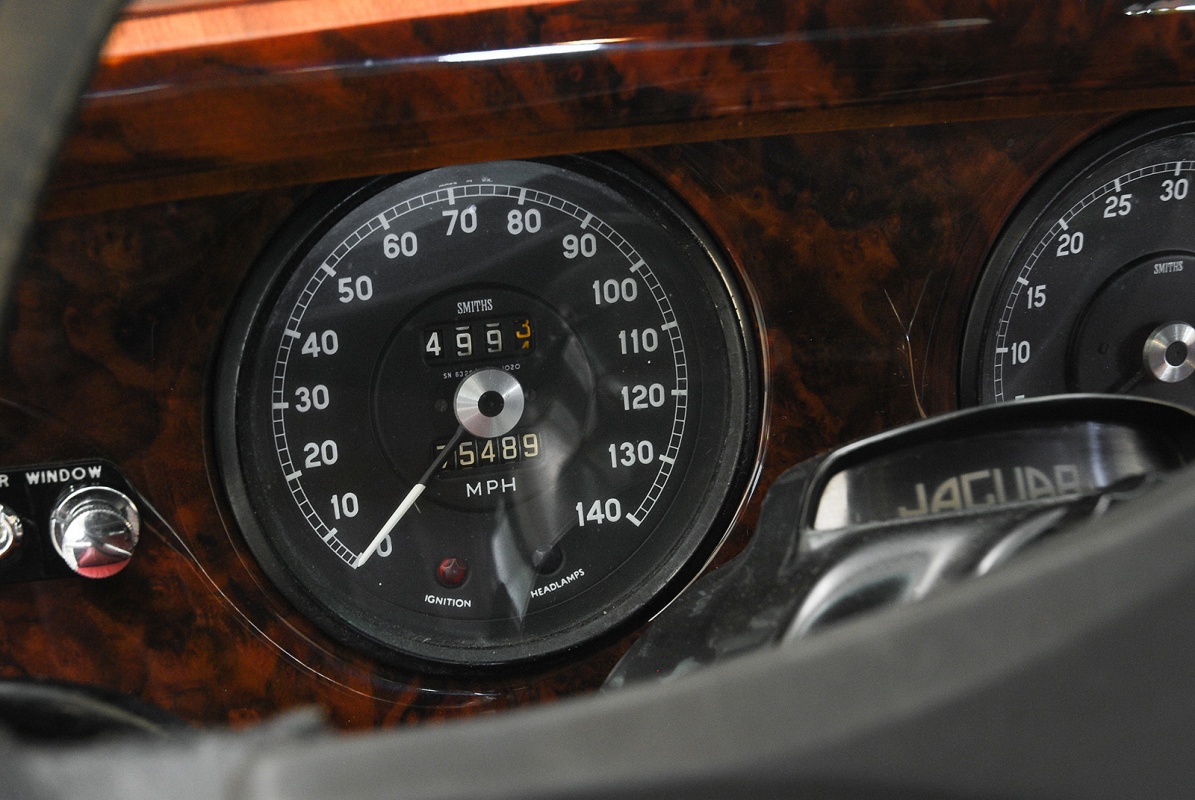
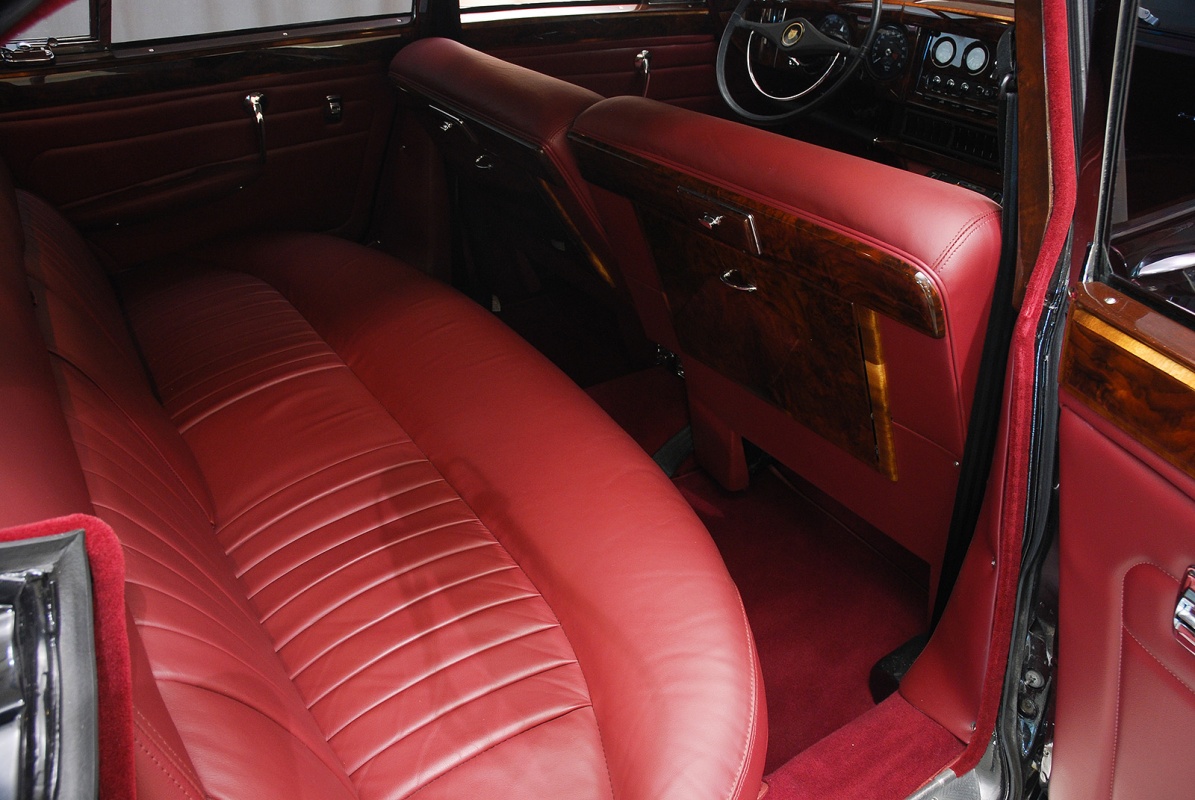
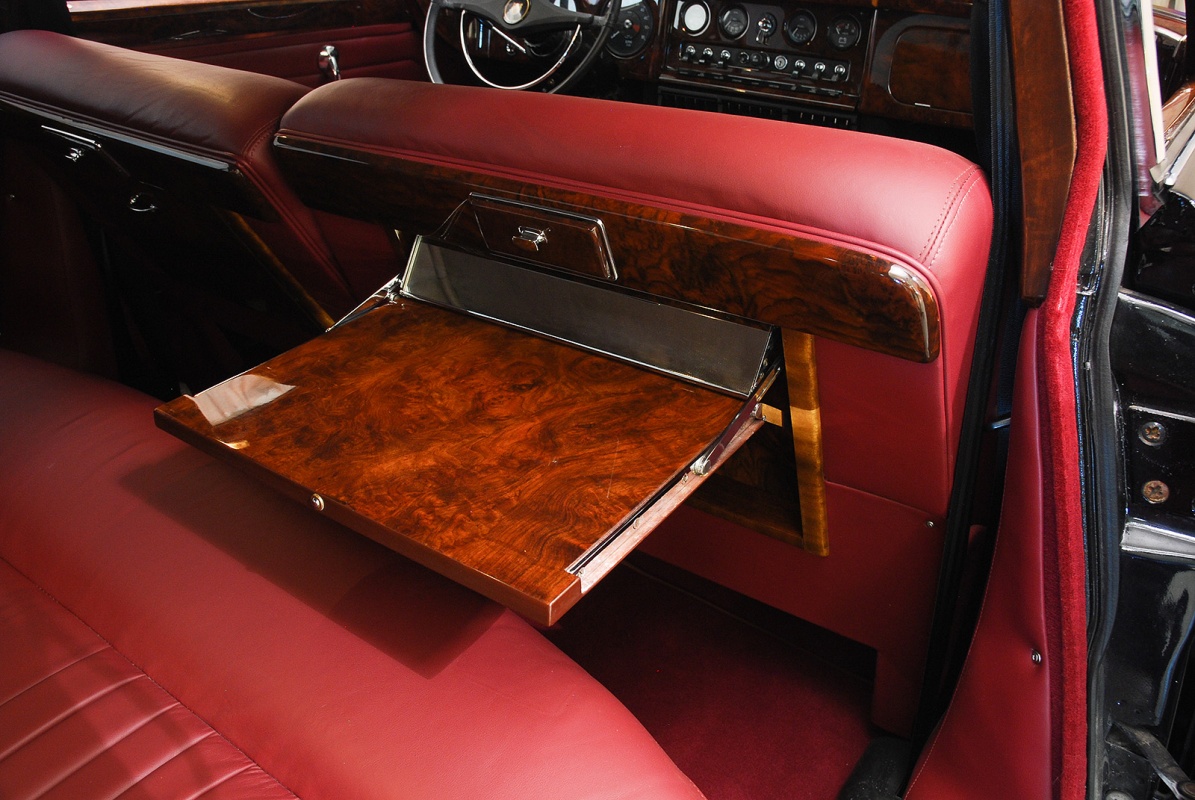
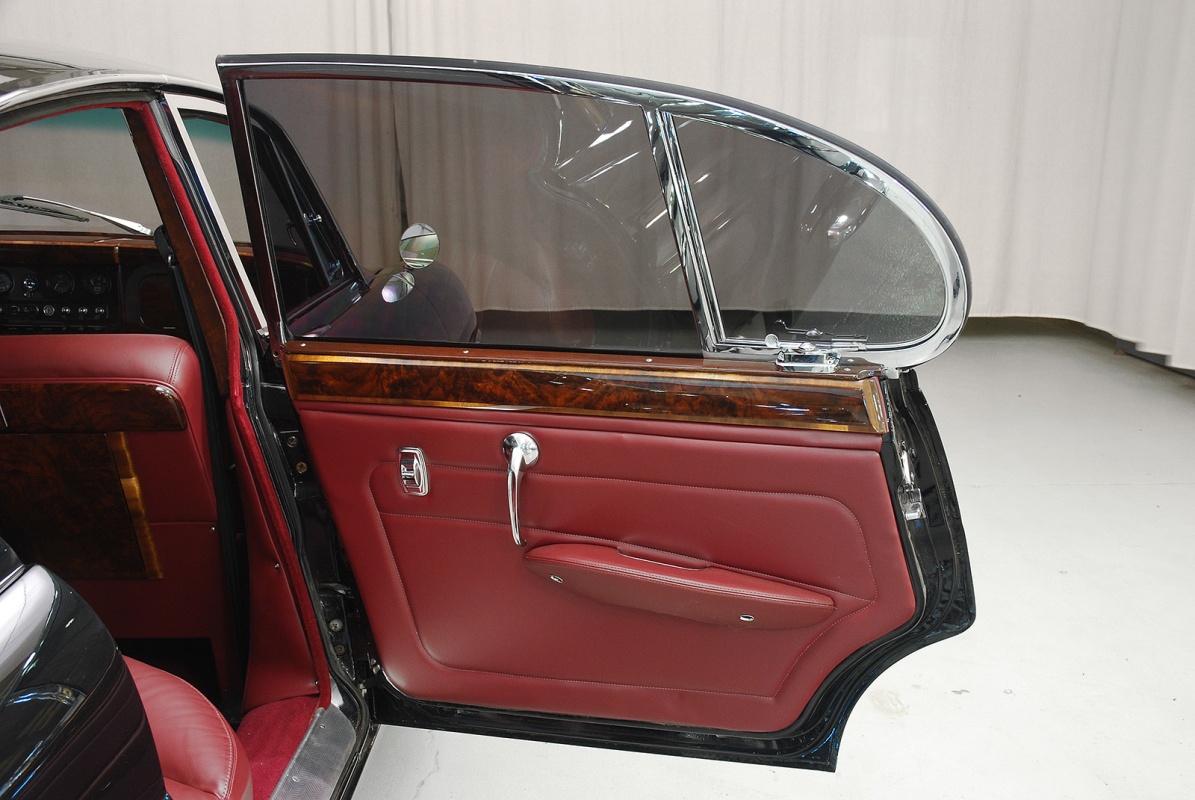
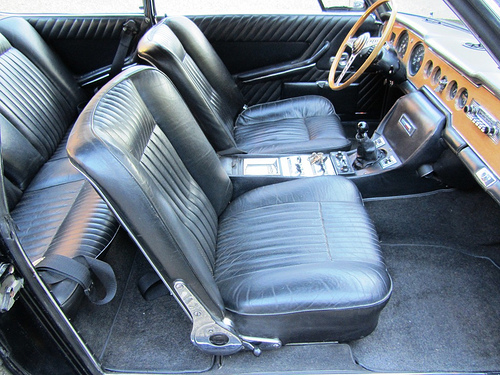
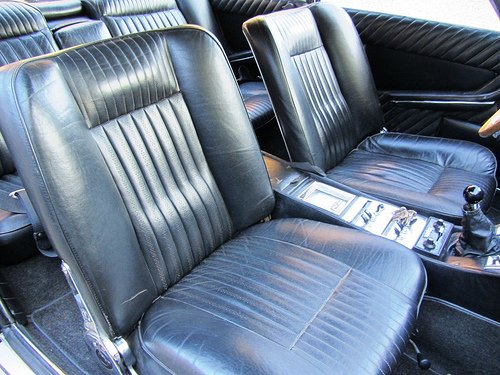
In spite of the standard Mark X's performance, one thing it need have no excuses made for was the limousine-like interior. This was the last regular production Jaguar with a fully hand made wood, leather and wool drawing room in the manner that a contemporary Bentley or Alvis driver would appreciate. Large picnic trays have book-matched veneer, the dash is a solid expanse of polished timber and even the radio and analogue clock are trimmed in wood. One could even order it with an optional divider window for the true aristocratic experience. Suitably, it has been restored to the same standard as the interior; the seats have been recovered in gorgeous burgundy leather, the woodwork is exquisite and has been returned to original specification, with only the centre console being modified to fit the XJR's climate control panel and J-gate shifter.
The price for such a machine? Well this car cost the equivalent of just just over £50,000 which to be honest seems cheap; thats cheaper than a brand new XJ6 LWB (about £62,000 at time of writing). No contest when its worded like that, huh?


- Amazosan


J-gate shifter and 
A conservative estimate now?


26 November 2014

1966 Hot Rod Magazine Championship Drags, Riverside International Raceway

Photo: Fred Enke.

The Alan Green Chevrolet 1963 fastback altered-wheelbase Nova.
Under the aupices of race car builder Bill Thomas, fibreglass meets metal to create a trio of road racing or drag cars built from convertible Chevy IIs.
A stroked 327 with a Corvette rear end motivating a Nova around a road course sounds pretty cool, but Chevrolet killed the factory racing effort, so all of the cars found new homes and were repurposed specifically for the quarter mile.

16 September 2013

Indianapolis 500, 30th May 1966

Parnelli Jones, seen here in the Shrike-Offenhauser retired on lap 87 with wheel bearing failure. The race was won by Graham Hill in a Lola-Ford of Mecom Racing Team.
As an aside, John Mecom Jr.backed Danica Patrick in her transition from a 15-year old kart racer to be a professional racing car driver in 1998, by providing full financial support and securing drives for her to race in England with help of long-time family friend and Mecom team driver Jackie Stewart. This led to her subsequent involvement with Ford and then Rahal Letterman Racing.

19 October 2011

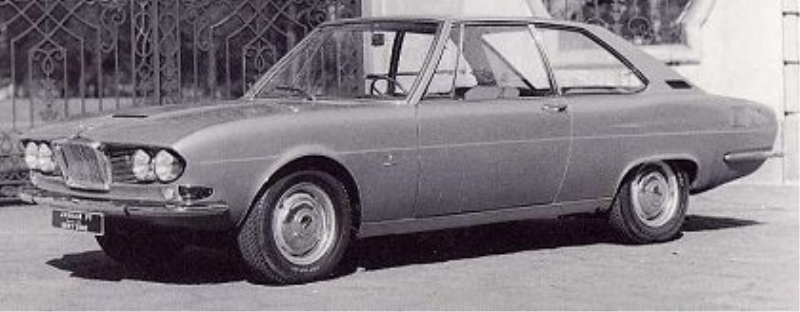
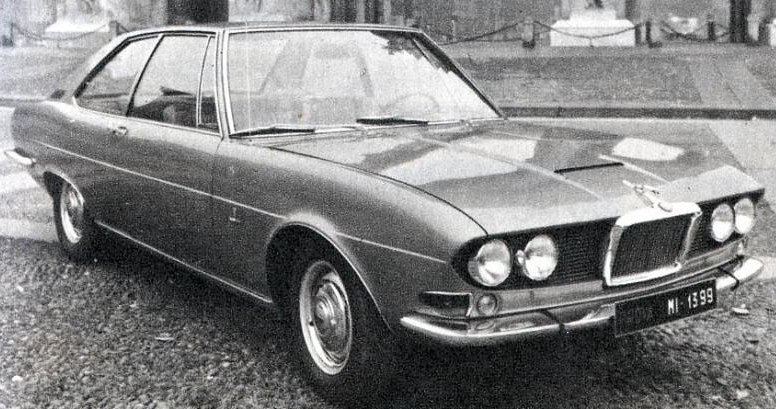
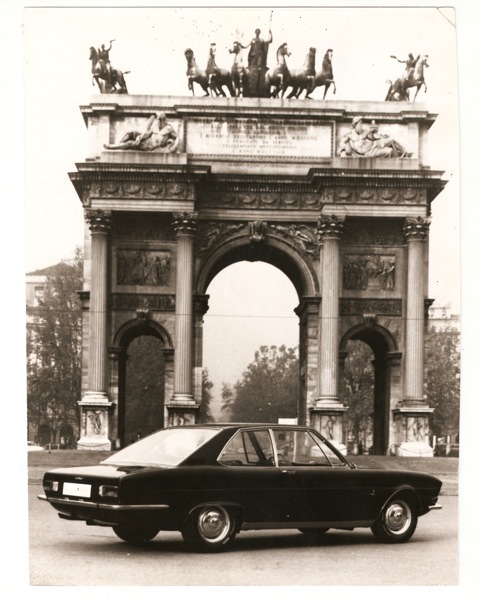
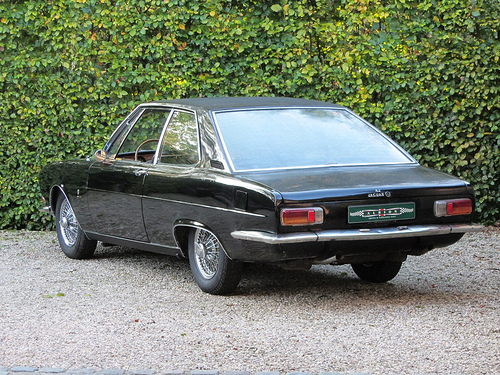
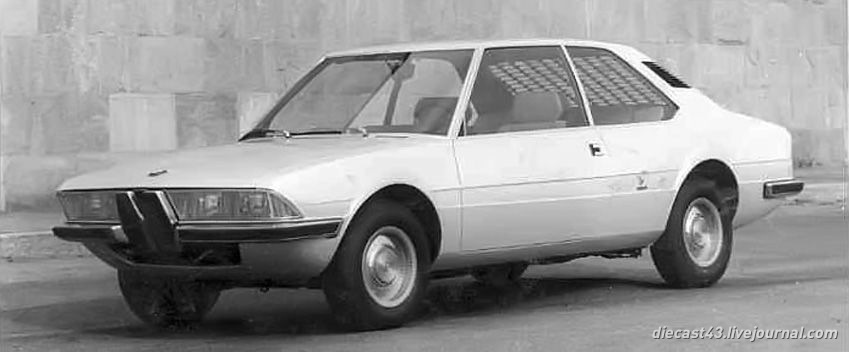
1966 Bertone Jaguar FT


1966, the year of the Miura, also saw Nuccio Bertone fully occupied on other fronts. The Geneva Motor Show featured the presentation of two interesting new prototypes, one of which was the Jaguar 3.8 FT.
The Italian Jaguar importer Ferruchio Tarchini (hence the 'FT') commissioned Bertone to build a 4-seater coupé based on the S-Type 3.8, to put on their stand during the 1966 Geneva Motor Show.
The main aim of the project was to come up with a line destined to be sold through the Jaguar sales network both in Italy and abroad, and to this end the considerable demands of the typical Jaguar client - traditionally very faithful to the brand - and the specific type of car usually produced, were kept in mind.


As a consequence, Bertone worked with the idea of creating a classic design with original lights and roof, and the result is a design which I personally feel that while pleasing to the eye (and more than a little reminiscent of the Rolls-Royce Carmargue and Bertone BMW 2002ti), it doesn't say 'Jaguar' to me on any level. Still a pretty car, if a bit frumpy when you consider the other Coupé that Jaguar had in their line-up in the 60's...


Initially it was planned to distribute this car through the Jaguar sale organisation in Italy and abroad, but in the end production was limited to just the prototype. That Geneva show car is still the property of the Tarchini family, and as mentioned, thought to be the only one.


Until classic car speciliast Albion Cars came across another FT. This car is based on a Jaguar 420 platform, and according to the Jaguar Daimler Heritage certificate, supplied as a CKD (Completely Knocked Down) car, to be assembled in Italy with the Bertone bodywork. Coventry supplied 7 of these cars to Bertone, but this was the first and last one they produced. It was delivered to a rich customer in Madrid, and stayed there until Albion found it in a corner of an old garage building. The car is in very original condition, and apparantly needs some TLC.
Price? On Request...
In case you're wondering; I would.

Original advert here.

12 October 2011

Chuco’s ’66 Ford Fairlane 500 - A Ford With Flair


When you think of a lowrider based on a 60's American car, its almost a dead cert you'll think of an early 60's Chevy Impala. So the sight of a tricked-out '66 Fairlane 500 while welcome, is a rare one to say the least.
The owner, Wilson 'Chuco' Rivas, was given this car by his father, Juan Francisco 'Paquito' Rivas, at age 14; they slowly rebuilt it as a father & son project, slowly bringing the non-runner back to life. Sadly Rivas Sr. was involved in a fatal car accident before the completed car saw the light of day; the hand stitched dedication on the rear bench a reminder to Rivas Jr. of the labour of love this car was to both of them.
More here.


No Lowrider feature car  would be complete without a scantily-clad Woman draped upon it. The models' name is  CJ Sparxx.
An appropriate name, as they're flying right now in Amazo Towers...

26 September 2011

New Class Meets New School


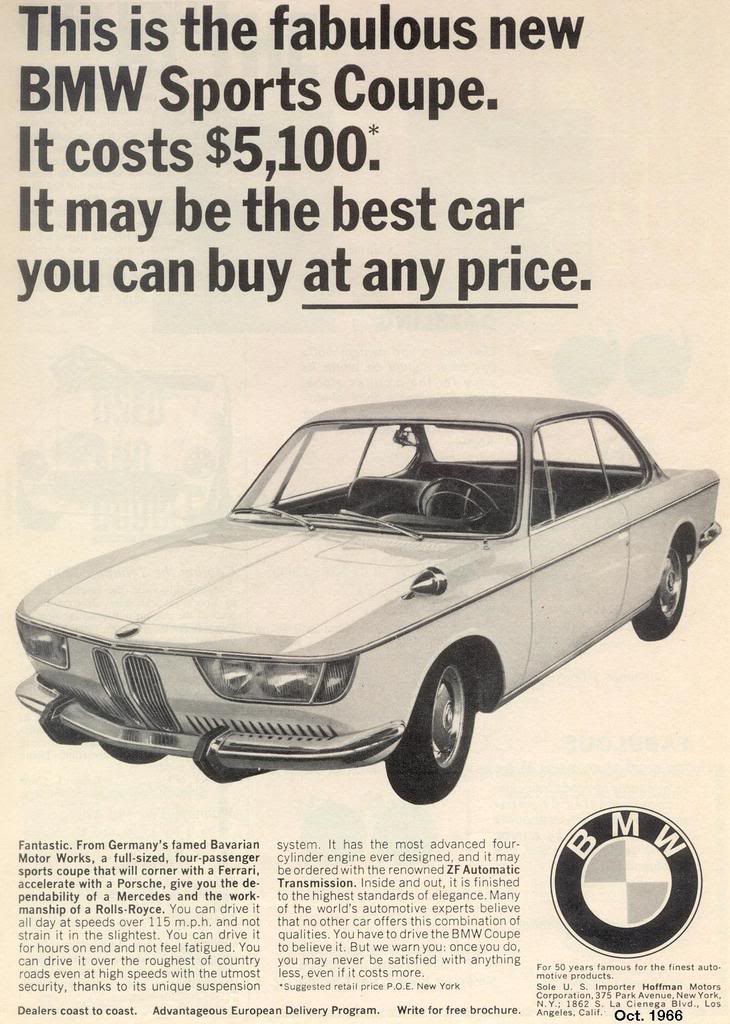
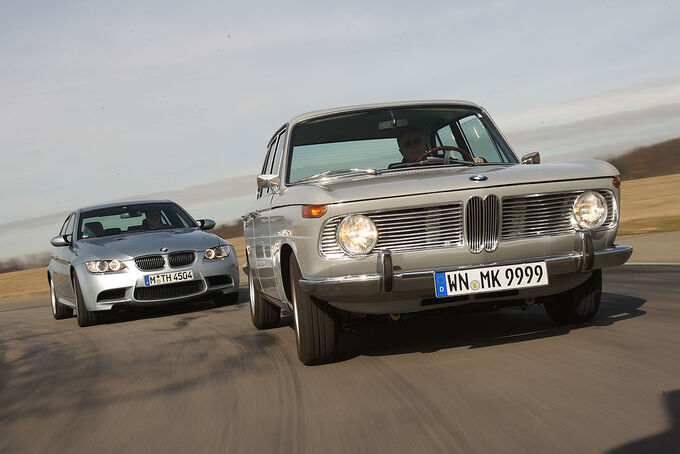
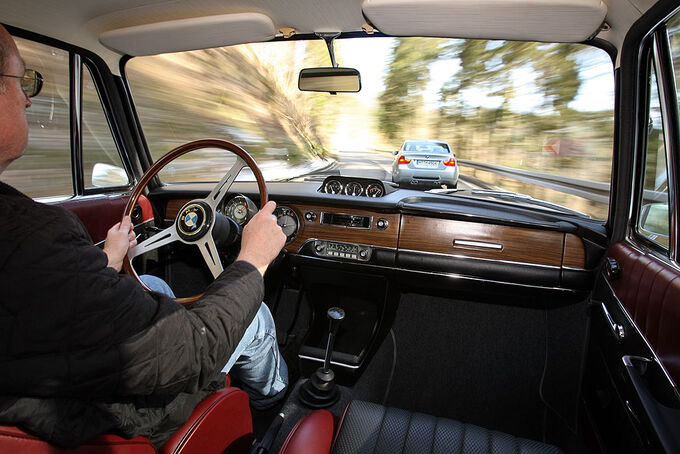
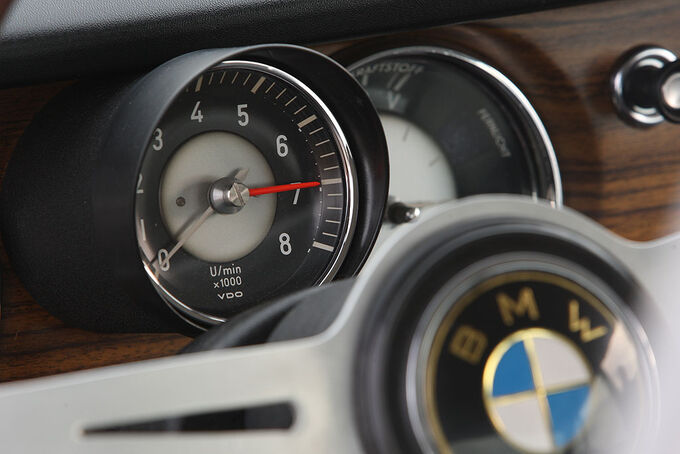
The year is 1965; The Rolling Stones tune Satisfaction is in the German pop charts (Ich Erhalten Keine Zufriedenheit just doesn't have the same ring to it y'know?), the birth control pill is introduced, and the German federal government lowers the wage tax. On the route between Augsburg and Munich, the first express train with a top speed of 120mph is introduced. At the same time, BMW unveil a sports cars in the guise of a saloon.


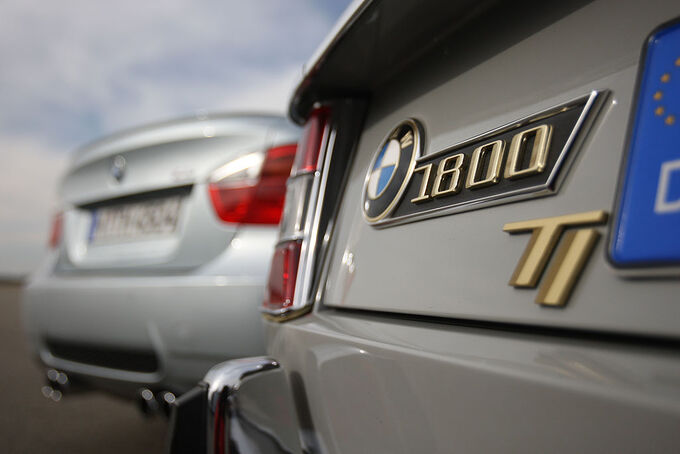
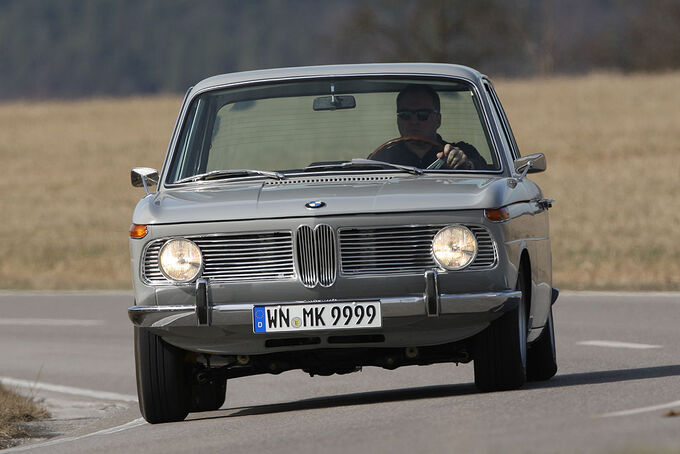
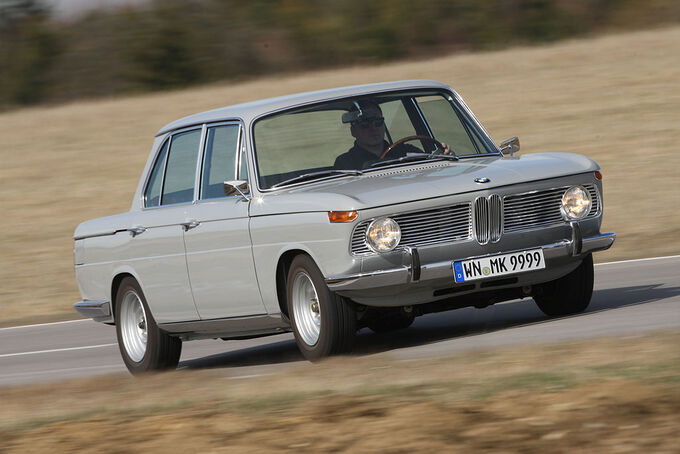
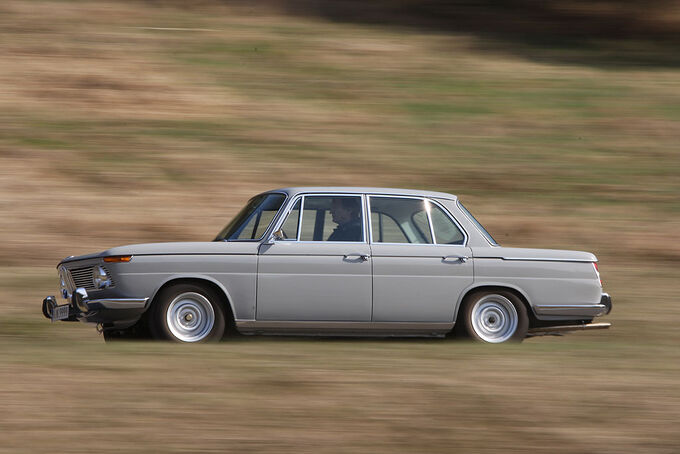
OK, the Alfa Romeo Giulia TI was introduced a little earlier, but for BMW, the Neu Klasse came of age when those wily Bavarians introduced the 1800 TI - for Touring International.
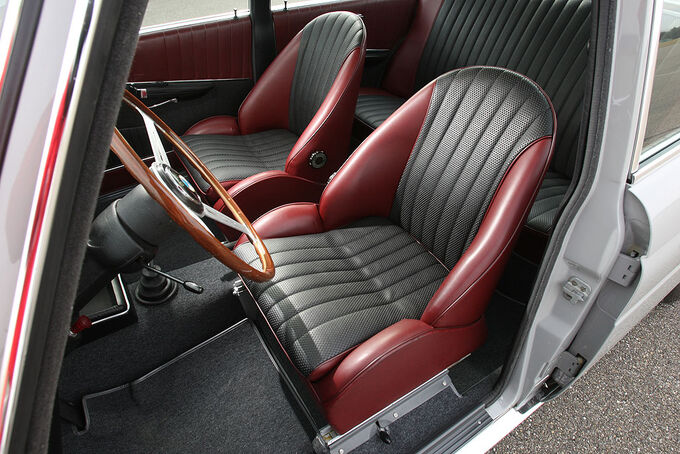
The TI, with 110bhp tickled from its 1.8-litre four-cylinder M10 engine, this unassuming saloon car became the terror of the motoring establishment. Only the more expensive Mercedes six-cylinder cars and a handful of track-ready Porsches were faster in real terms off the shelf. On the track, the TI quickly became rivals with the Alfa GTA and the Lotus Cortina. Hubert Hahne in the 1800 TI delivered spectacular duels in German tin-top racing; against Andrea de Adamich the Alfa and John Whitmore in the Lotus, racing masterpieces of the classic drift angle kind. A veritable wolf in sheep's clothing, Hahnemann gains a reputation for wringing the TI's neck around a circuit like there was no tomorrow.


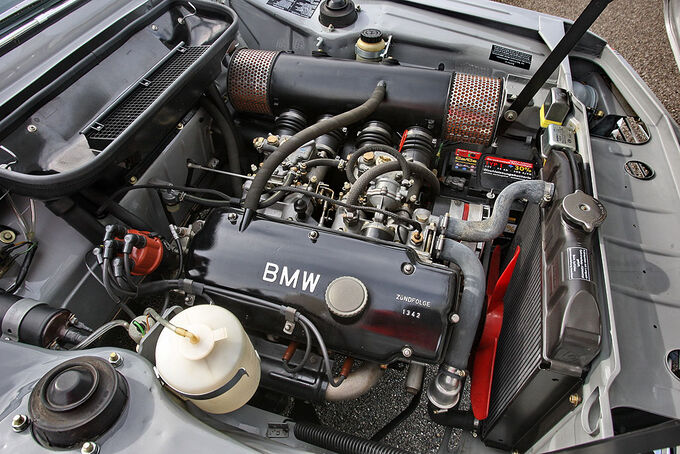
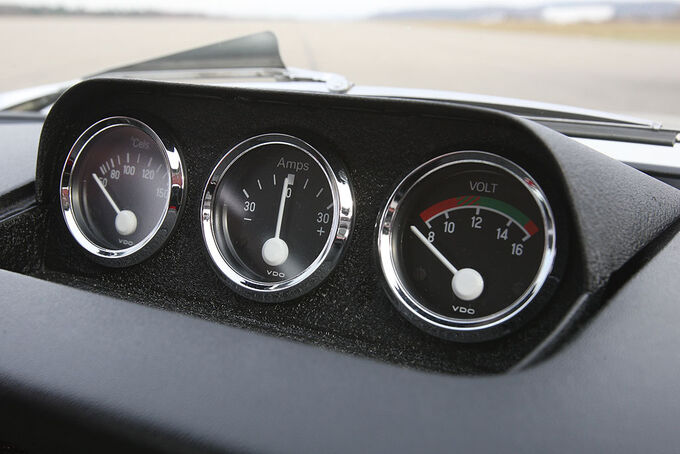
The next logical step was an even hotter version; BMW unsheath a sharper version of the TI. The TI / SA (Te-I-Es-A) officially, but everyone affectionately calls it Tisa. The letters SA (sports version) appear nowhere on the car, the TI / SA is the classic wolf in sheep's clothing. BMW used traditional engine medication: bigger capacity (2 litres), higher compression, larger Weber carburettors instead of the standard Solex units, a hot camshaft  coupled with a big valve head. Add to that, a close-ratio five-speed gearbox, wider wheels and thicker anti-roll bars - that surely is a 'sport' version. "Guaranteed Performance at 130 hp as standard exhaust system," promises the werks, the racing engines with the to-noisy-for-the-road sports exhaust from the list of accessories bumped power up to 160bhp.


Powerful enough for Hahne, during a support race for the German Grand Prix on 6 August 1966, to become the first man to lap the Nürburgring-Nordschleife circuit in under ten minutes in a touring car. Indeed, his lap time of 9.58 minutes caused a genuine sensation at the time.
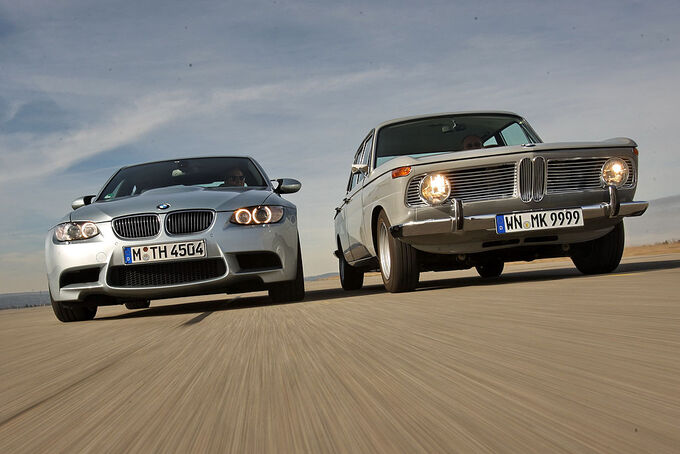
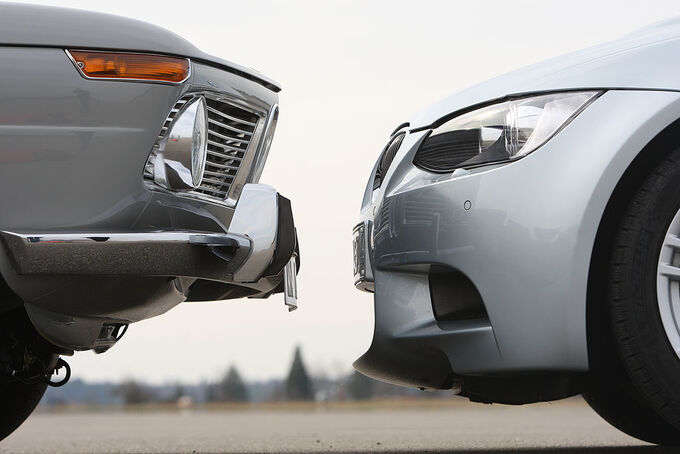
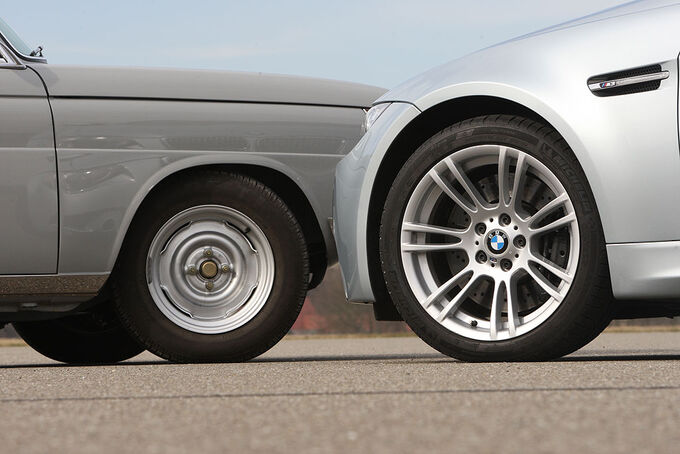
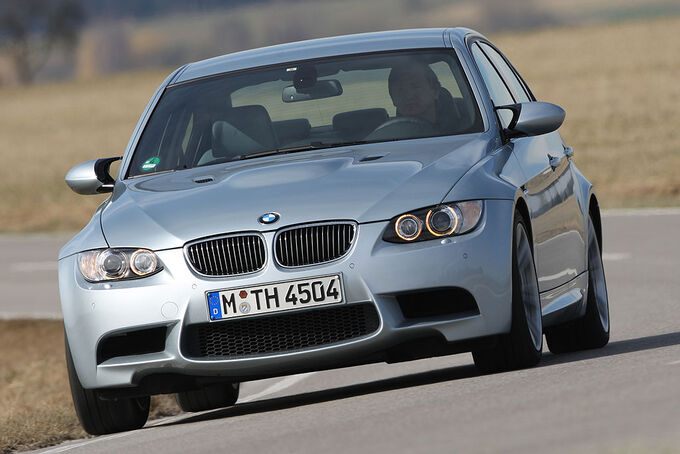
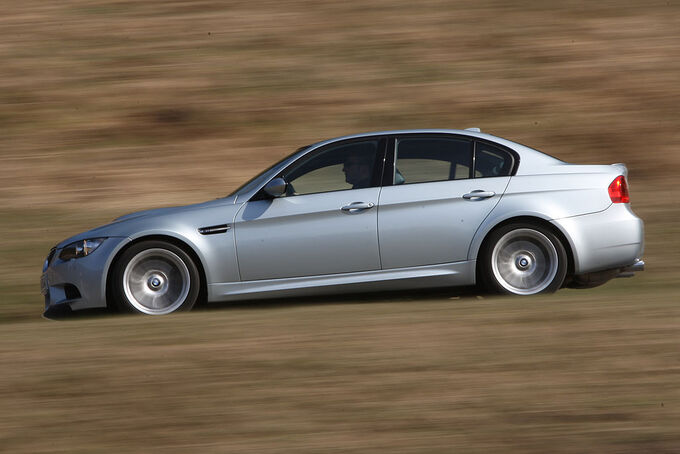
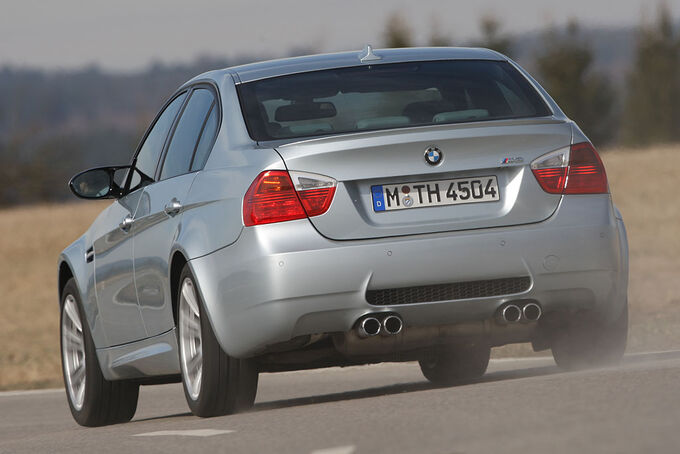
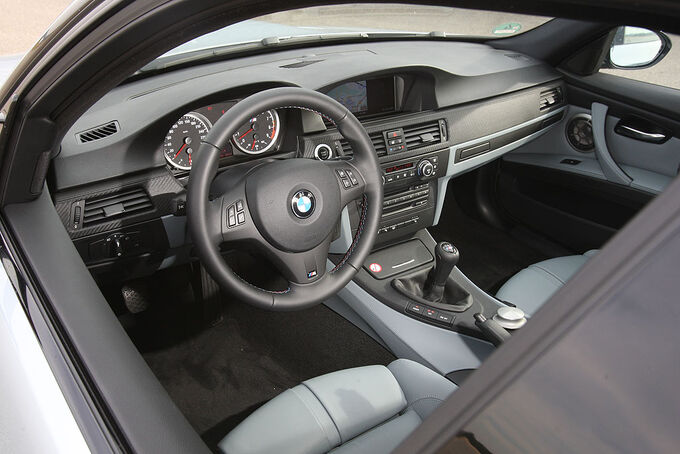
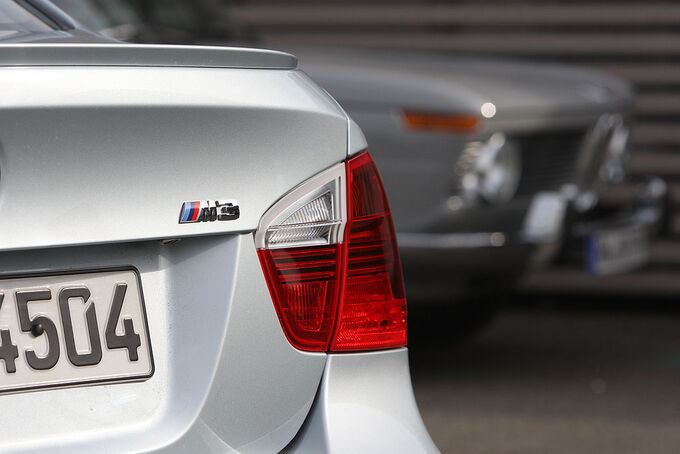
The E90 M3 you see in the pictures, and indeed every BMW since, owes it's very existence to the New Class and the new beginning it gave the Bayerische Motoren Werke.


From here (hope your German is good) mostly, with my creaky German translation and some of my own words.