

Showing posts with label 1972. Show all posts
Showing posts with label 1972. Show all posts


30 November 2015
United States GP, Watkins Glen Grand Prix Race Course, October 8, 1972
Jackie Stewart completed the 1972 World Championship with one of the most convincing wins of his career. Driving the Derek Gardner-designed Tyrrell he was in a class of his own and led from start to finish.
François Cevert finished second in the sister Tyrrell 006, while Denny Hulme rounded out the podium in the McLaren M19A.
Photo by Motor Sport magazine
22 June 2015
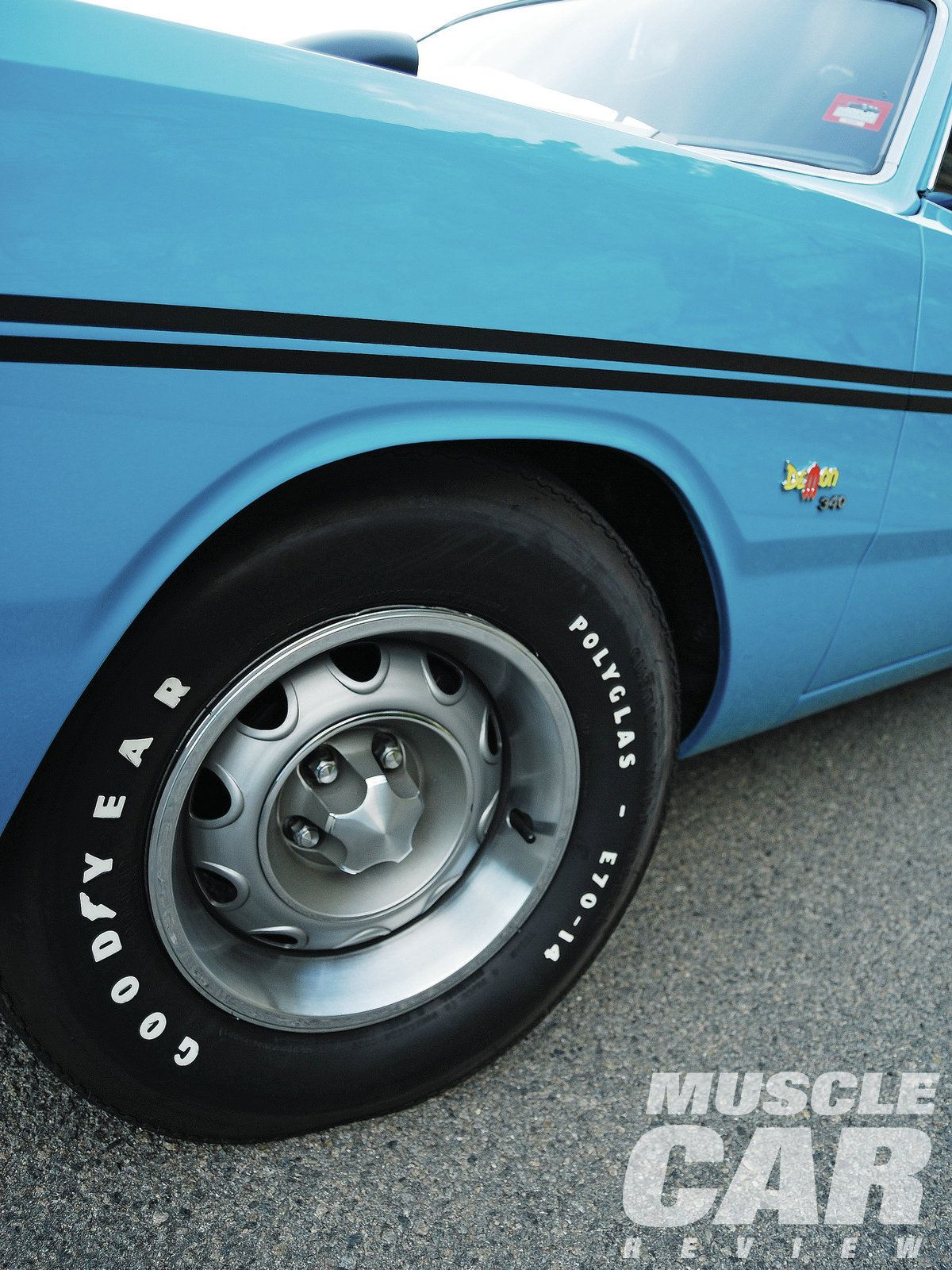
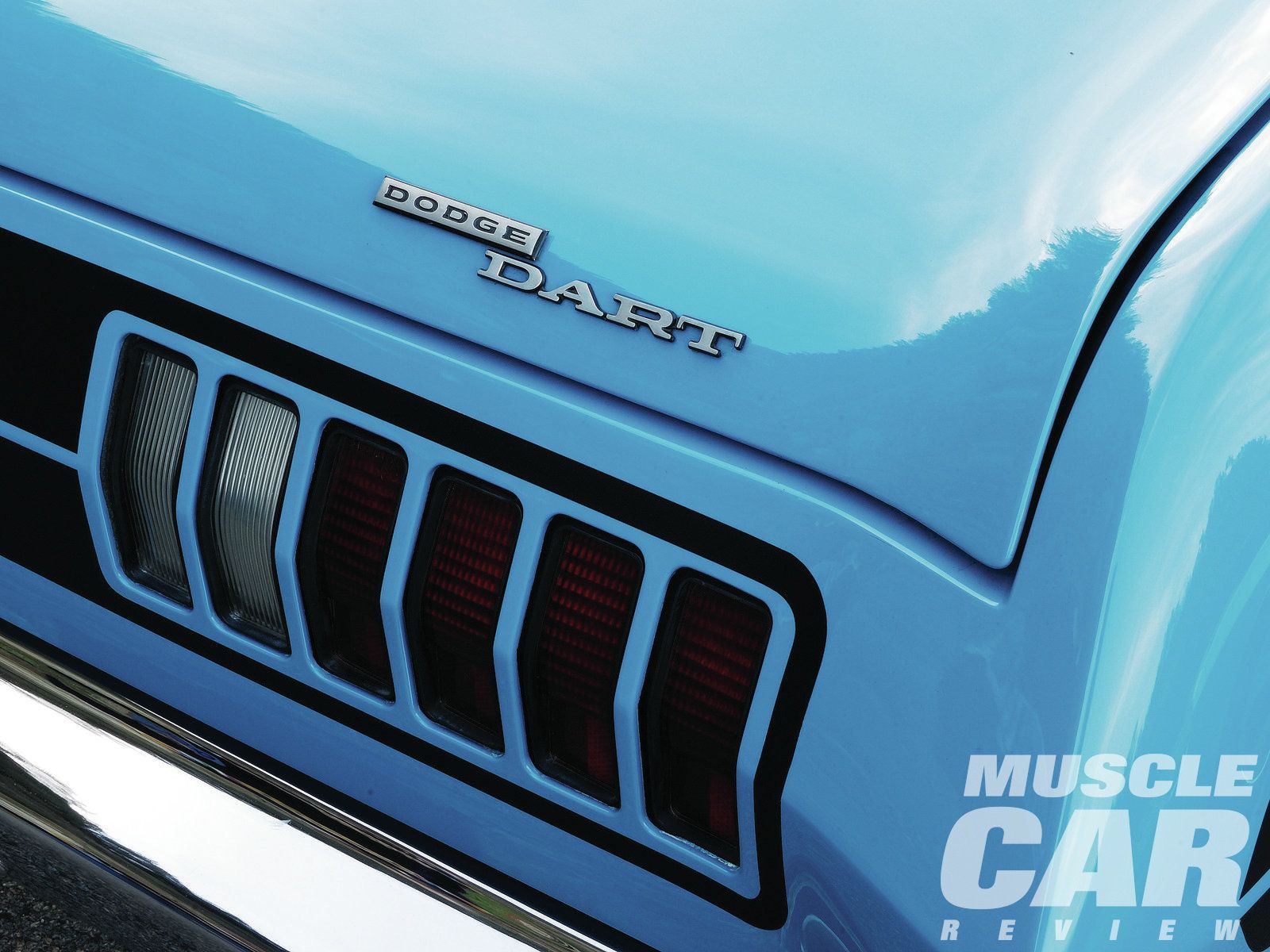
1972 Dodge Demon - Hellboy
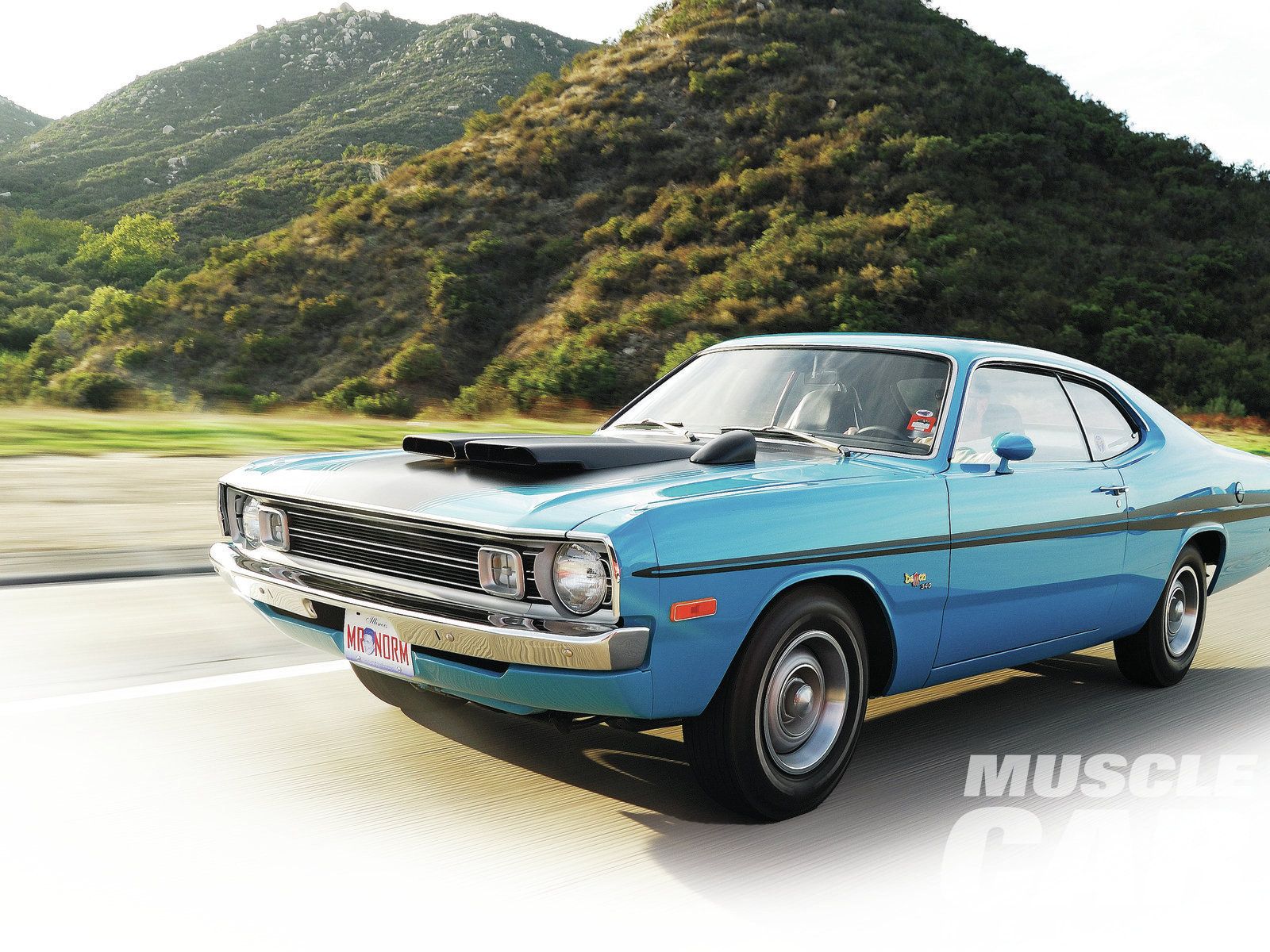
A rare Paxton-packing muscle car, with a veteran drag racers help.
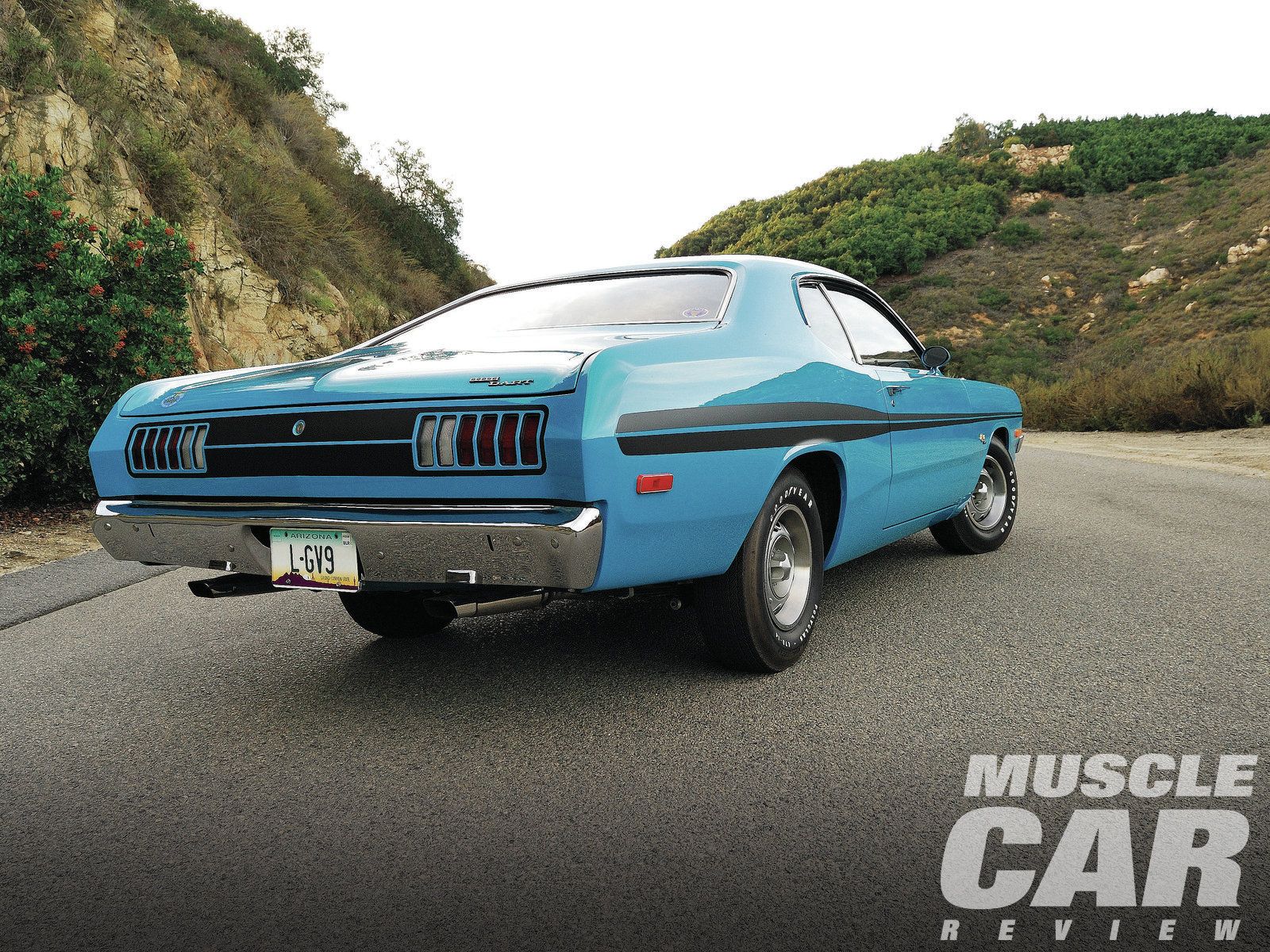
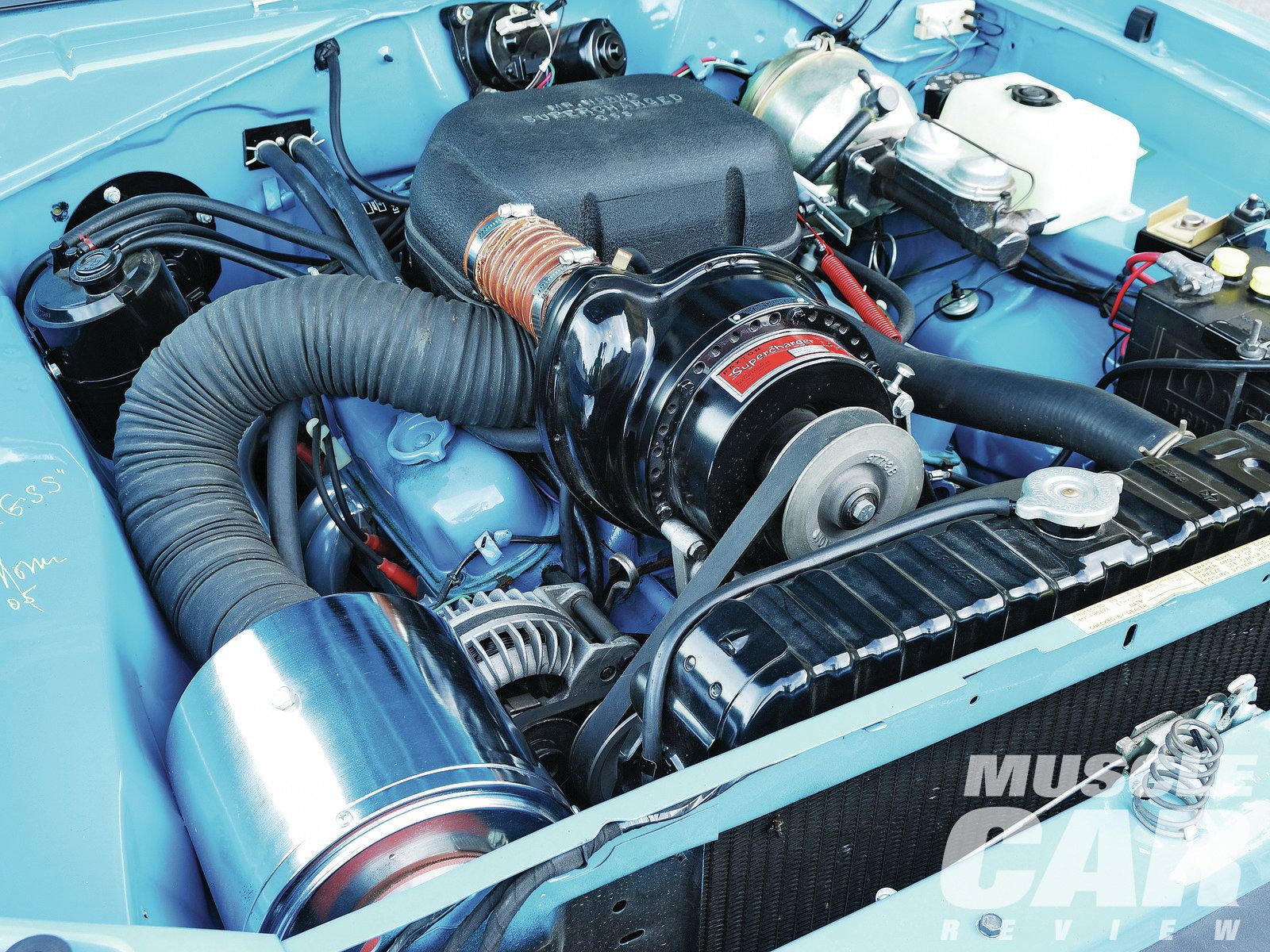
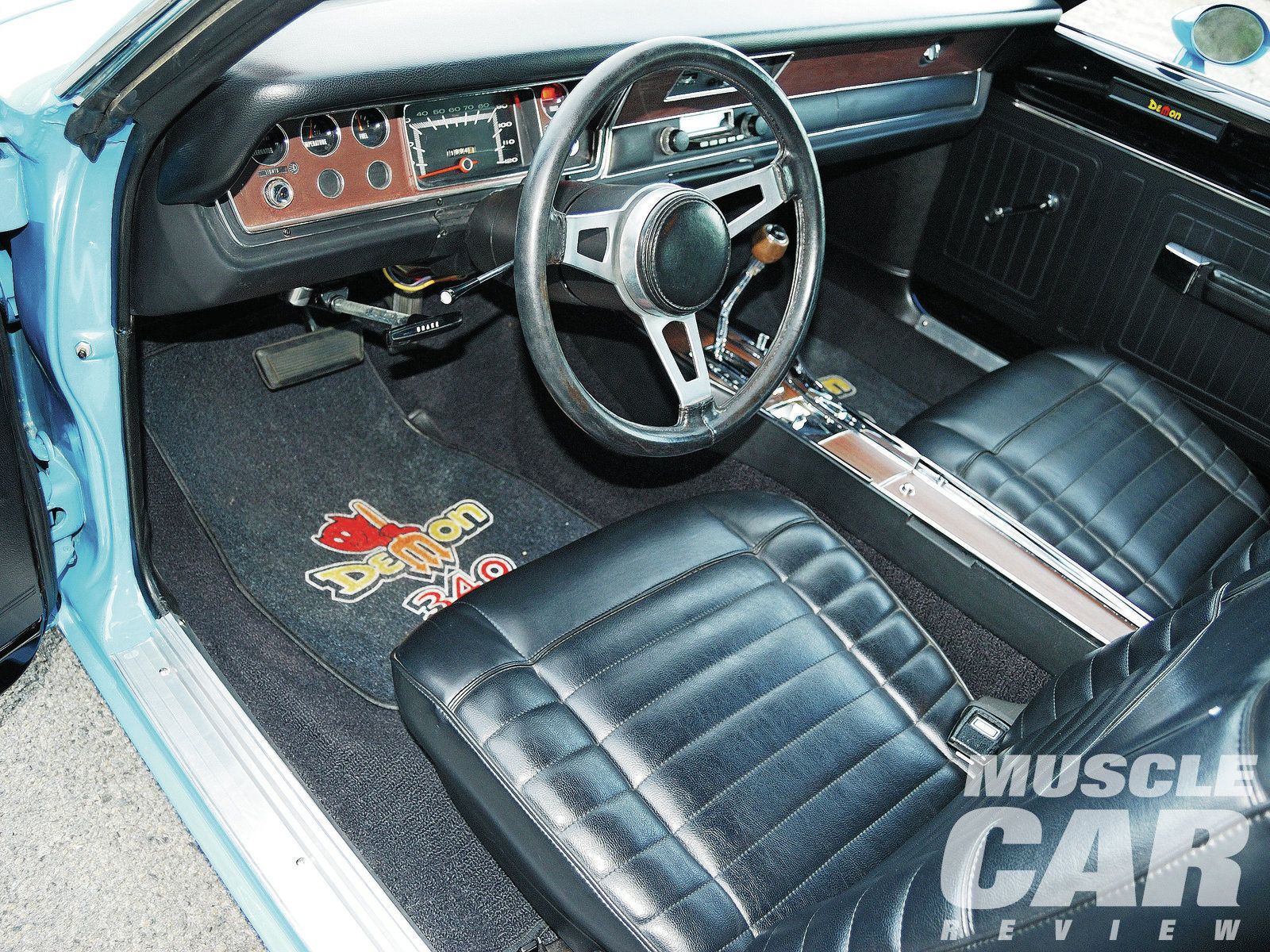
What you see here is a Dodge Demon GSS, a rare enough beastie on its own even in its heyday, but with drag racer 'Mr Norm' Kraus sprinkling his nitro dust on it, it became arguably the last great muscle car of the original era.
What you see here is a Dodge Demon GSS, a rare enough beastie on its own even in its heyday, but with drag racer 'Mr Norm' Kraus sprinkling his nitro dust on it, it became arguably the last great muscle car of the original era.
At a time when bhp figures were on the wane, due to a culmination of emissions laws and ever-increasing insurance costs, Kraus put together a tuning package, the centrepiece of which was a belt-riven Paxton supercharger, that pushed power from a decidedly anemic 240bhp to a rather more rosy-cheeked 360bhp. Its reputed that only a few hundred were converted which makes this restored example an obscure A-body Mopar indeed. But be careful not to talk trash about this Demon; its sure to appear in your rear-view mirror when you least expect it.
Unleash hell on your signal, here.
Unleash hell on your signal, here.
- Amazosan


18 March 2013
Getting Your Goat - 1972 Pontiac GTO

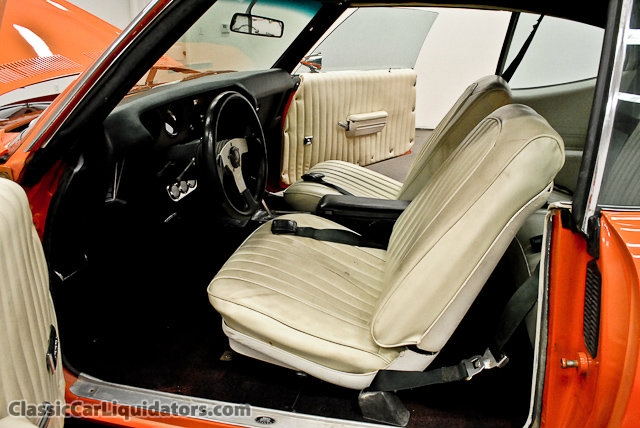
Not to be confused with 'The Judge' performance package, which was discontinued in February 1971, the 1972 GTO reverted from a separate model line to a US$353.88 option package for the Le Mans and Le Mans Sport coupes. On the base Le Mans line, the GTO package could be had with either the low-priced pillared coupé or pillarless hardtop coupé Both models came as standard with cloth and vinyl or all-vinyl bench seats with rubber floor mats on the pillared coupé upgrading to carpeting on the hardtop, creating a lower-priced GTO. The Le Mans Sport, offered only as a hardtop coupé came with 'Strato' bucket seats upholstered in vinyl, along with carpeting on floor and lower door panels, vinyl door-pull straps, custom pedal trim and cushioned steering wheel, much like GTOs of previous years.
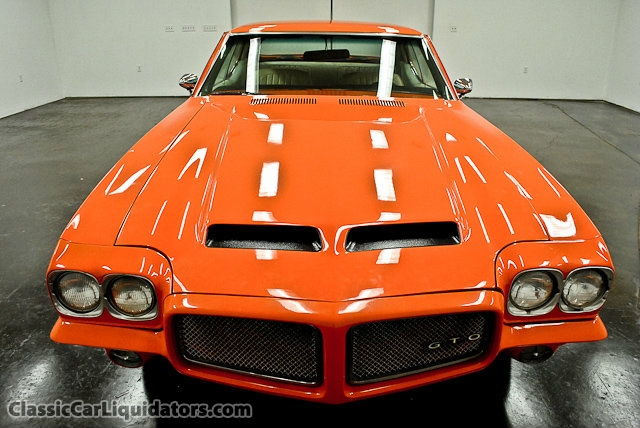

A very rare option was the 455 HO engine, similar to that used in the Trans Am. It was rated at 300bhp at 4000rpm and 415 lb/ft at 3200rpm, also in the new SAE net figures. Despite its modest 8.4:1 compression, it was as strong as many earlier engines with higher gross power ratings; yet like all other 1972-model engines, it could perform on low-octane petrol. Only 646 cars with this engine were sold.
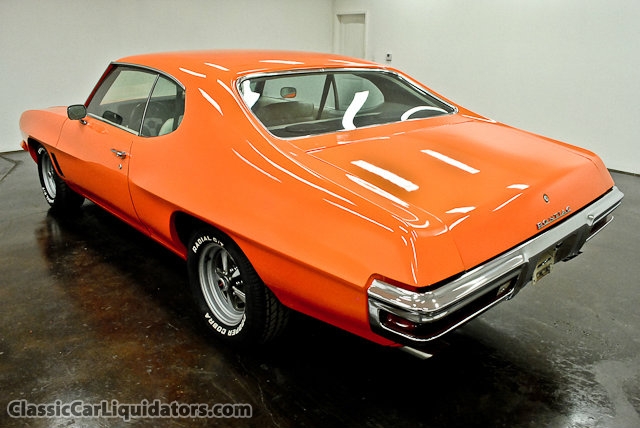
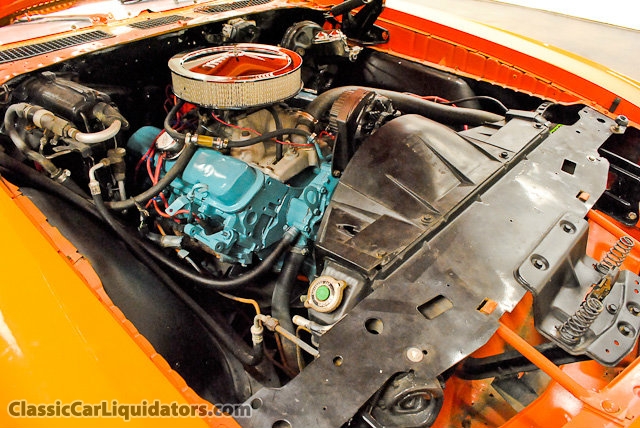
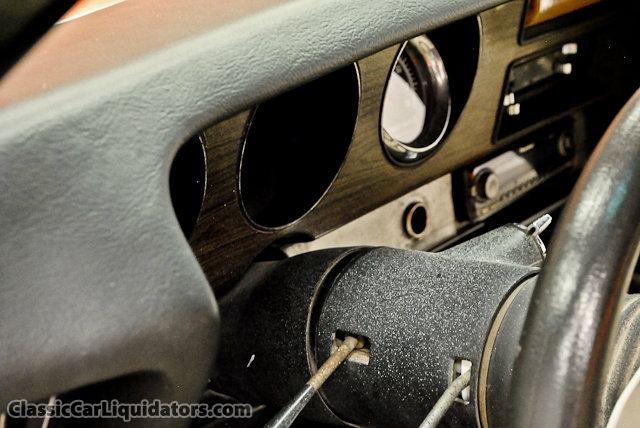
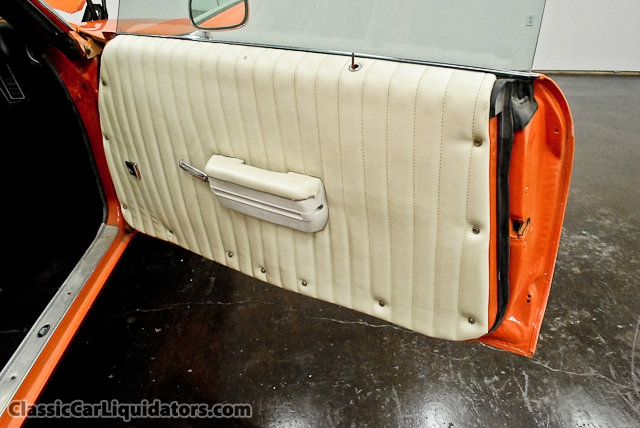
This particular example came up for sale recently in America classic car site for a reasonable Price: $13,000; with only 63989 miles on the clock, the 400 cube Poncho V8 and Turbo 400 are hardly run in. To be honest, the interior looks like it could do with a bloody good clean and those door trims are well, a matter of taste but with air con, electric windows and power steering, we could forgive that.



19 November 2012
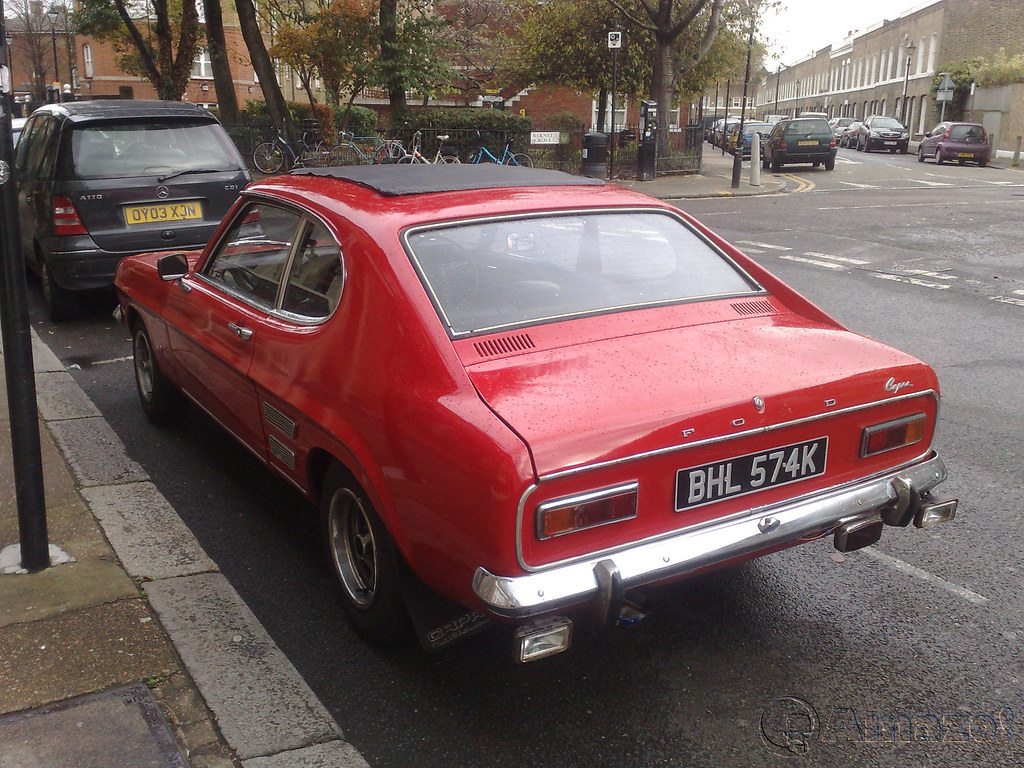
Street Life - Capri. No Sun.
Now is the time of year where most old car owners put their babies away for the winter, to keep them out of the line of fire of salt sprayers, greasy roads, snow & ice and of course worst of all, dozy twonks in modern cars who suddenly fall off the road at the first sign of a snowflake.
Some brave souls are still gamely using their classics, either through necessity or pride. This Capri is one such case, and maybe one that should really be putting it's feet up 'till the tulips pop out.

It's a 1972 1600 XL auto, with a few tasty period extras; try that opinion divider that is a Webasto fabric sunroof and auxiliary lights for that extra '70's motor factor' touch.

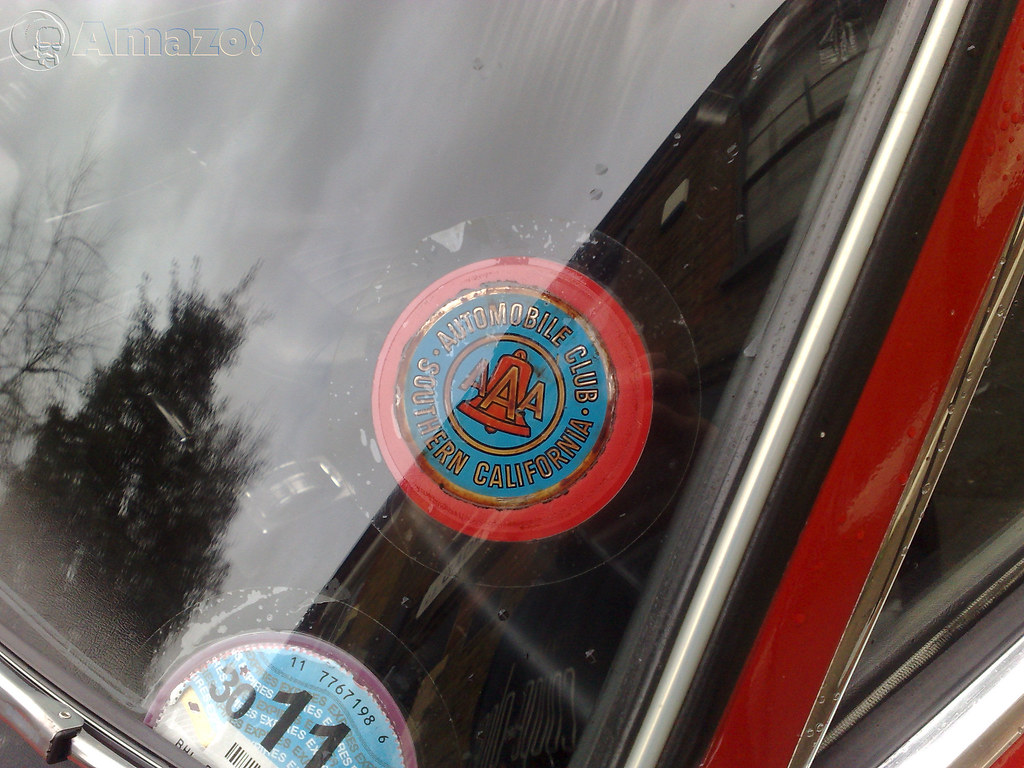
'It Never rains In Southern California'. East London on the other hand...

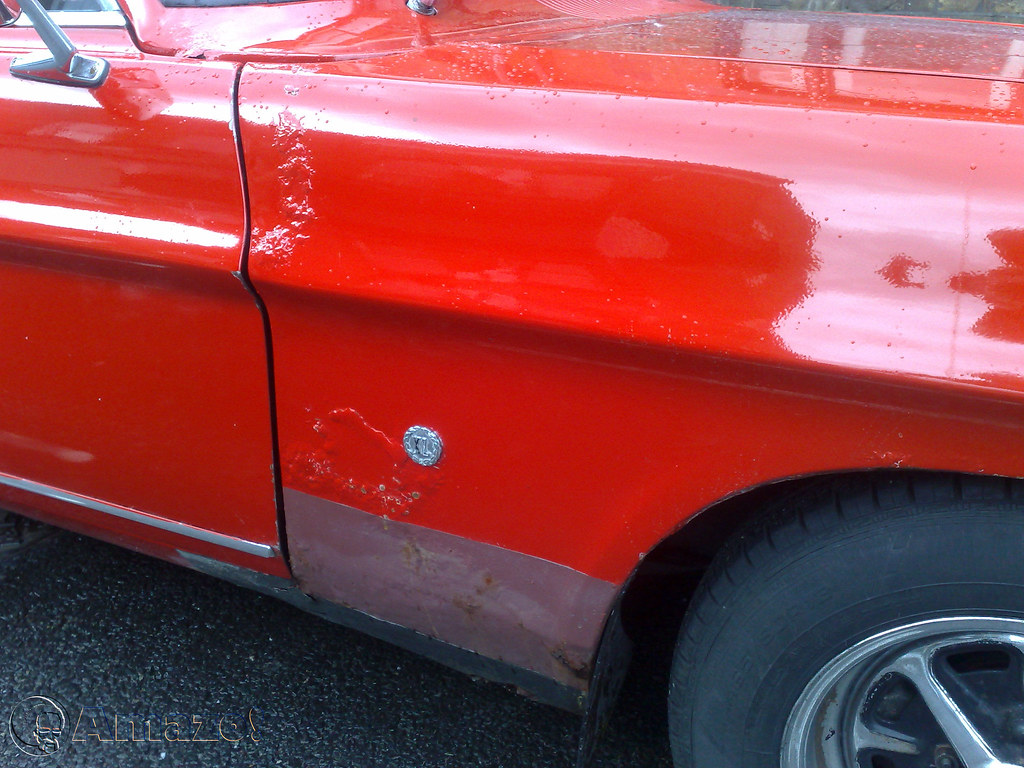
You've no doubt spotted that this Capri is also sporting an unwanted period accessory - a whole lotta rust. While it's nothing a pair of fresh wings, a shedload of Zintec and a few miles of MIG wire couldn't cure, it always hurts to see what looks like a cherry old Ford with fresh air where Dagenham steel should be. That's assuming the paint isn't hiding other past sins...


Still, who wouldn't want a crack at curing this grand old dame's ills? Not me. Thats why I left my phone number under the wiper. Ohhh. Yeahhh. Like the famous advert once boasted, Amazo-san promised himself one Capri; this may as well be the one. Welding mask to standby.
- Amazo-san

Some brave souls are still gamely using their classics, either through necessity or pride. This Capri is one such case, and maybe one that should really be putting it's feet up 'till the tulips pop out.
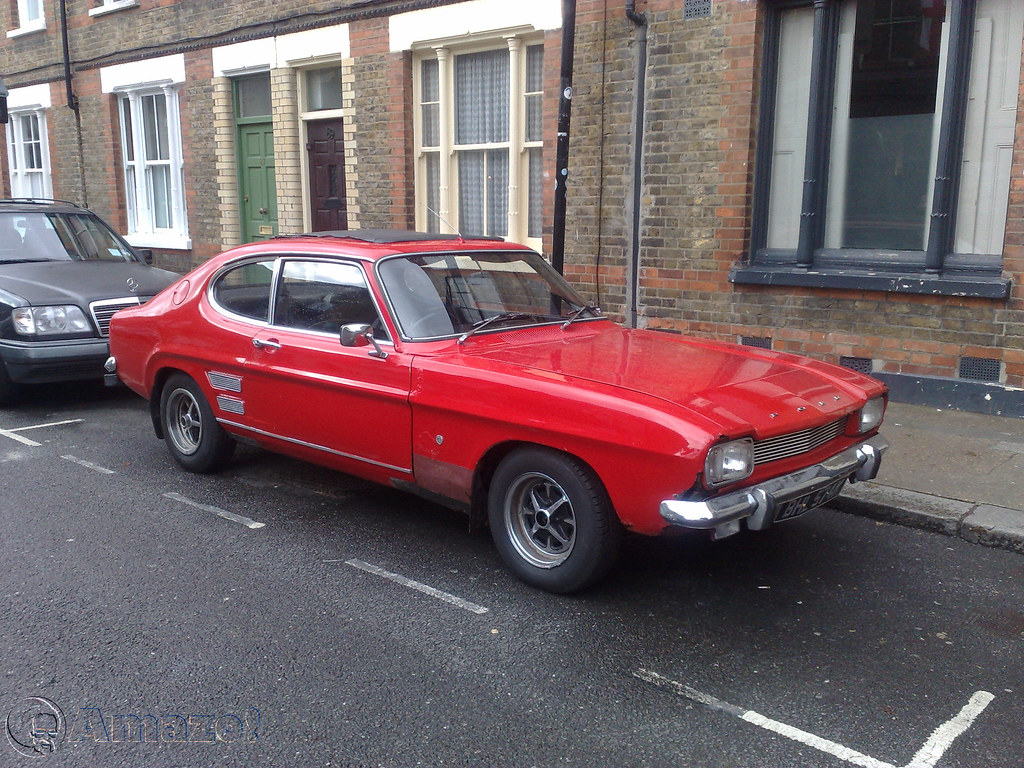
It's a 1972 1600 XL auto, with a few tasty period extras; try that opinion divider that is a Webasto fabric sunroof and auxiliary lights for that extra '70's motor factor' touch.
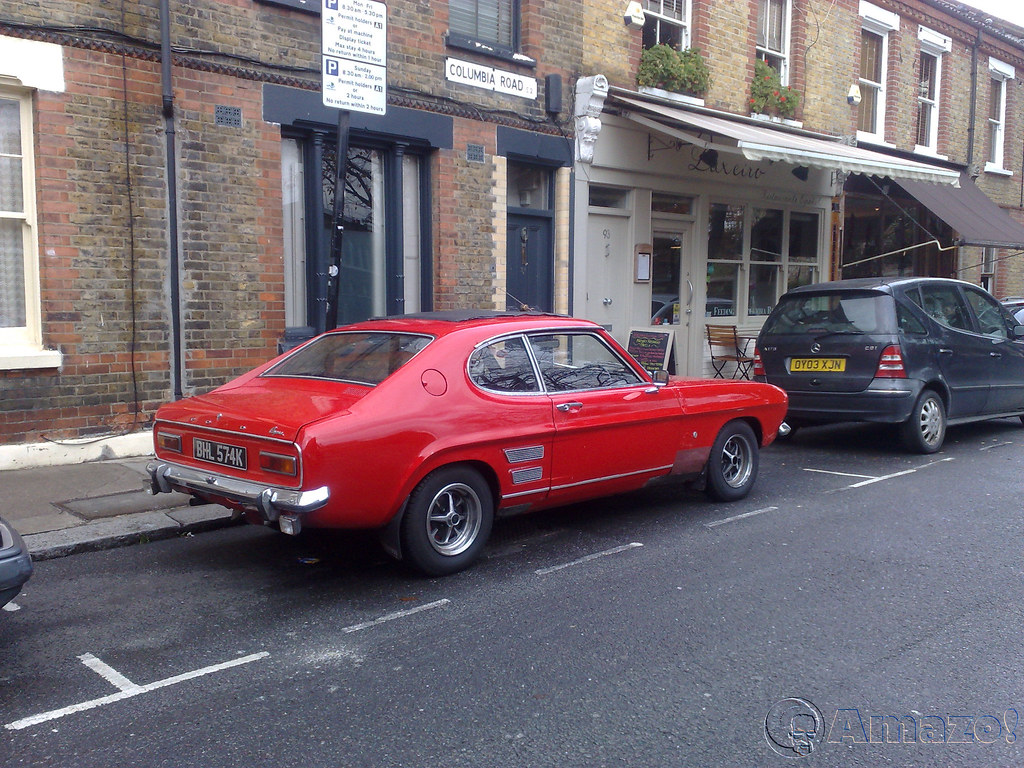
'It Never rains In Southern California'. East London on the other hand...
You've no doubt spotted that this Capri is also sporting an unwanted period accessory - a whole lotta rust. While it's nothing a pair of fresh wings, a shedload of Zintec and a few miles of MIG wire couldn't cure, it always hurts to see what looks like a cherry old Ford with fresh air where Dagenham steel should be. That's assuming the paint isn't hiding other past sins...

Still, who wouldn't want a crack at curing this grand old dame's ills? Not me. Thats why I left my phone number under the wiper. Ohhh. Yeahhh. Like the famous advert once boasted, Amazo-san promised himself one Capri; this may as well be the one. Welding mask to standby.
- Amazo-san
26 October 2012
Cars & Music - Tom Scott And A Striped Tomato...
Tom Scott is an American saxophonist, composer, arranger, conductor and band leader of The L.A. Express, member of which played on several Joni Mitchell albums. He is the son of prolific film and television composer Nathan Scott, who had more than 850 television credits and more than 100 film credits as a composer, orchestrator and conductor, including credit for composing the theme songs for Dragnet, The Twilight Zone and Lassie.
His best-known works are the theme songs for TV series from the 1970s and 1980s; The Streets of San Francisco, his collaboration with Johnny Mathis to write and record Without Us, the theme to the 80's sitcom Family Ties, a series best known to us Brits for launching the career of one Michael J. Fox, and his saxophone work on the 1975 song Listen to What the Man Said, for Paul McCartney & Wings.
He's performed on dozens of solo recordings for which he has collected 13 Grammy nominations and 3 wins. As well as the aforementioned film and TV scoring credits (and hanging with McCartney), he's worked with artists as diverse as (deep breath) George Harrison, The Grateful Dead, Steppenwolf, Whitney Houston, Barbra Streisand, Joni Mitchell, Blondie, Eddie Money, Steely Dan, Pink Floyd, Quincy Jones, Carole King, Olivia Newton-John and Frank Sinatra.
He has many more achievements to boast of (being part of the Blues Brothers band for example), however, for the purposes of this article, we're interested in a particular track he did called Gotcha.
Never heard of it, you say? Oh yes; yes you have.
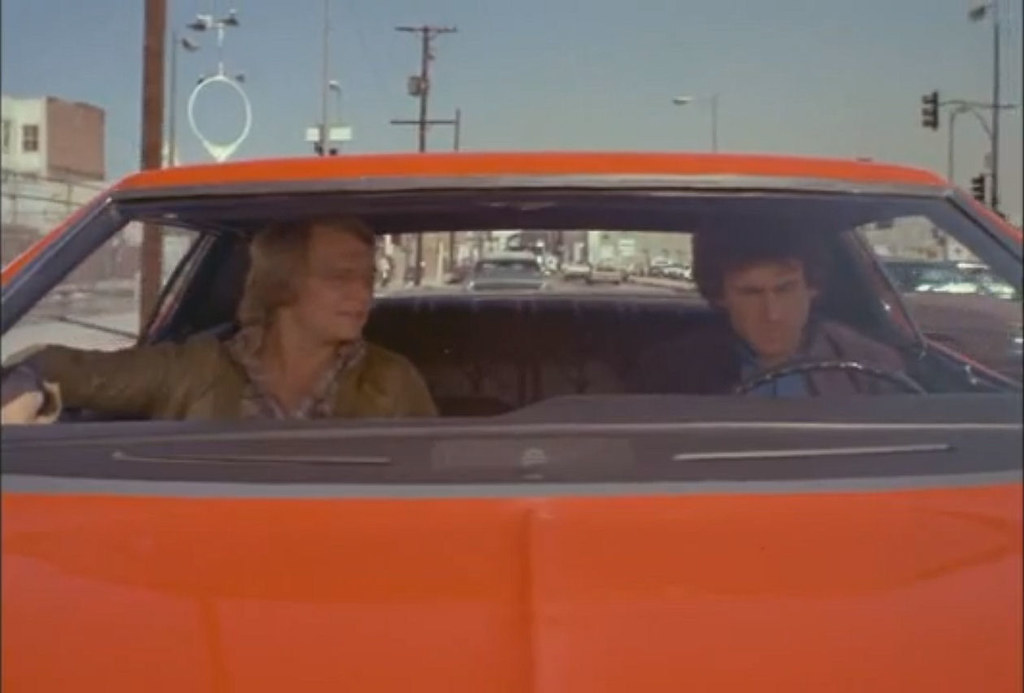
It's better known as the theme tune to Starsky & Hutch. Well, the one that people remember the most.
Boo, hiss, boo.
The first series theme was replaced for the series 2 by Scott's Gotcha. It's been subsequently covered by several acts, including the James Taylor Quartet and The Ventures. For the third series, a more dramatic theme, written by Mark Snow was used that highlighted the show's move to more socially-conscious and light-hearted stories. A reworked Gotcha, returned for the fourth and last series. The revamped version was the most easy going of the different themes for the series, reflecting the last series' increased buddy cop feel. Schifrin, Scott and Snow also scored several episodes; Alan Silvestri also worked on the series, scoring three episodes.
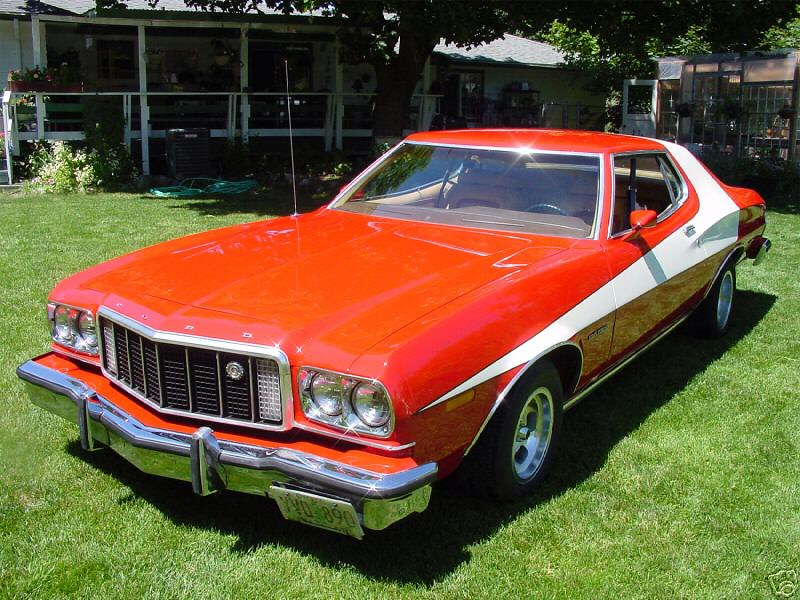
As well as that famous theme tune (it was used for the second & third series), the series is also known for a particular red 1974 Ford Gran Torino Sport, with The Stripe That Launched A Thousand Replicas.
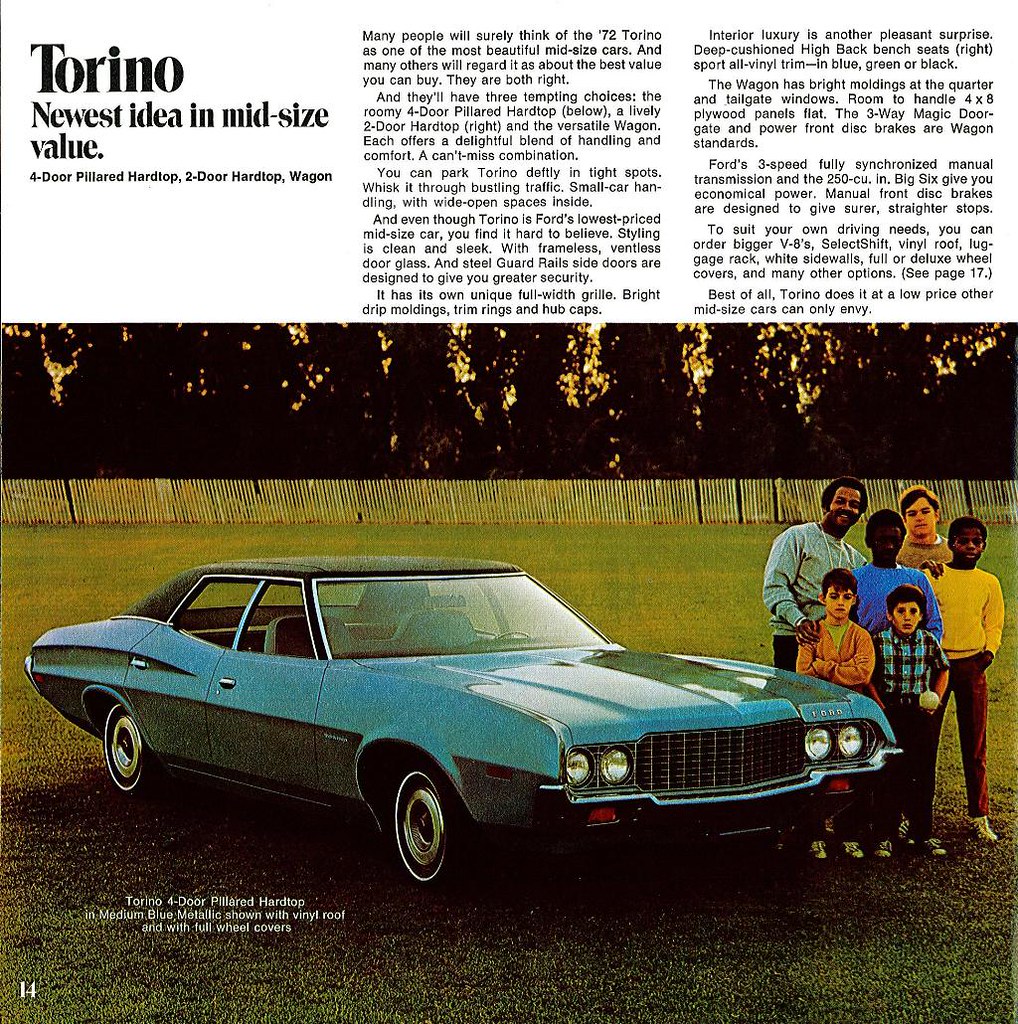
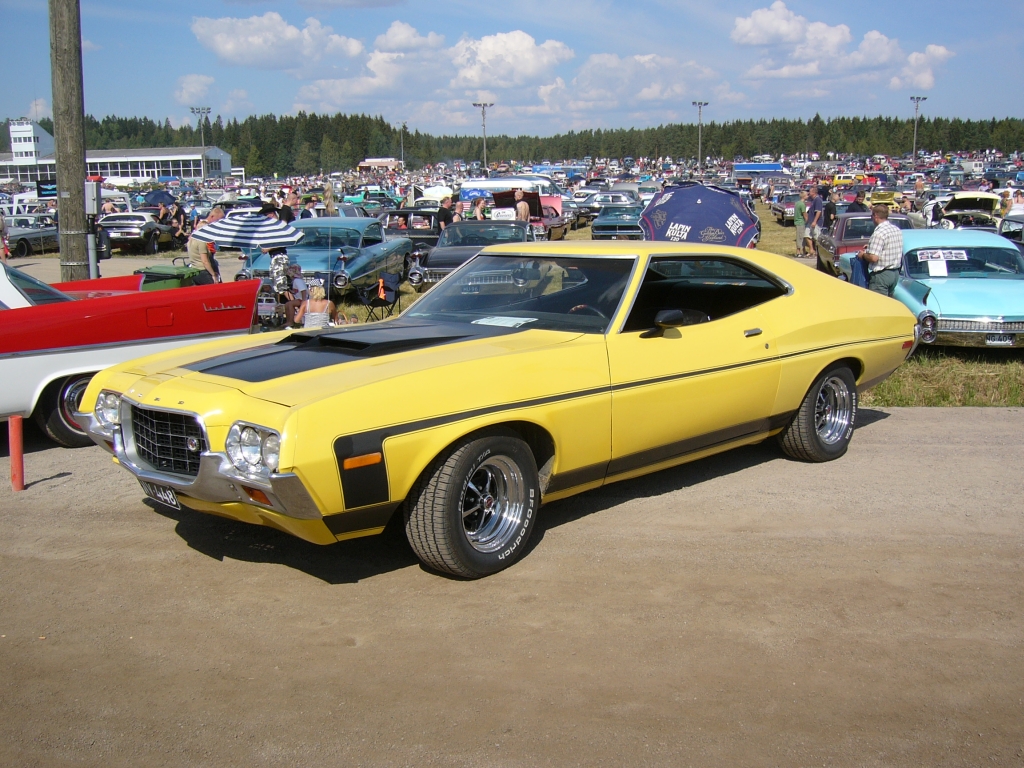
The Torino Brougham was reduced to an option package for the Gran Torino, and Torino GT became "Gran Torino Sport." The Torino and Gran Torino were available as a 2 door hardtop and a 4-door sedan; the Gran Torino Sport was available as a 2-door hardtop and SportsRoof. The station wagon line-up consisted of three models: Torino, Gran Torino, and Gran Torino Squire. Alas, the Cobra model was discontinued as the Torino line was refocused more toward luxury and less towards performance. The biggest change for the Torino was the switch to a separate chassis from the monocoque construction of the 1971 models. While sounding like a retrograde step, the new chassis helped to give the Torino a quieter and more isolated ride.

Front suspension used unequal length control arms, with coil springs and an anti-roll bar (a first for the Torino line) much like the full size Ford LTD. The rear used the "Stabul" four link suspension with coils mounted on a solid axle. Ford offered two suspension options: heavy-duty and competition, with progressively beefier springs, dampers and antil-roll bars. Front disc brakes now became standard on all Torinos, which no other American intermediate (other than the sister Mercury Montego) offered in 1972. Servo-assisted brakes remained an option for all models under 429ci ; they were standard on all station wagons and 429ci powered models. Power steering was also revised, while All Torinos now had 14" wheels, while 15" versions were used for police and fleet models. Separate wheelbases were used for both 2 door and 4-door models, a trend that followed the equivalent GM and Mopar models. Like it's rivals, Ford managed to spin out a full model range for the Torino for all tastes while still sharing many parts. Base engine was the 250ci straight 6 in all models except the wagons and the Gran Torino Sport which had a 302ci V8 in 2V trim as standard. Now read the next few sentences carefully, as Ford engine ranges in the 1970's get just a tad confusing.The Torino engine range included the 302ci 2V Windsor, a 351ci 2V Windsor or Cleveland (two different V8 engines, same capacity), a 351ci 4V Cobra Jet (CJ), a 400ci 2V, and a 429ci 4V. The 400ci 2V was a new engine to the Torino line-up, and was part of the '335' series engine family like the 351ci Cleveland, but with a taller engine block. Don't be confused by the whole 2v, 3v thing; it refers to engine tune, not number of valves.
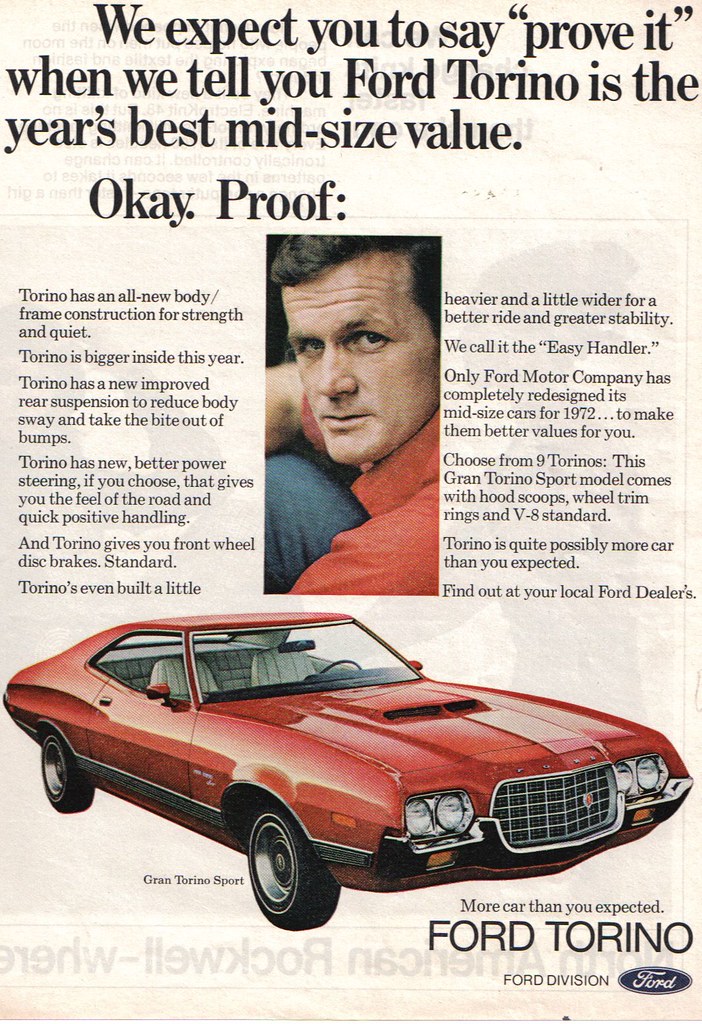
The 429 4V was not a high-performance engine like the Cobra Jets of previous years; instead, it was a high torque, low revving engine. Emissions, low lead requirements and fuel economy requirements had begun to take their toll. All models were equipped with a three-speed manual transmission as a standard feature. The Cruise-O-Matic remained optional, but was a mandatory option for the 351 2V, 400 2V and 429 4V. The 351 4V CJ required either the 4-speed or the Cruise-O-Matic as standard options. With the only performance engine being the 351 4V Cobra Jet, performance was no longer at the "super car" levels of the old 429 Cobra Jet Torinos. Performance with the 351 CJ was still good though, and Car and Driver tested a 351 CJ, 4-speed Gran Torino Sport SportsRoof with 3.50:1 gears to a 0-60 time of 6.8 seconds. Car and Driver didn't publish its quarter mile times, but Cars magazine tested a Gran Torino Sport SportsRoof with a 351 CJ, C-6 automatic, and 3.50 gears to run though the quarter mile in 15.40 seconds. Overall, the '72 Torino was a great success and a total of 496,645 cars were produced, making it the best-selling intermediate for 1972. This was the first time Ford had ever outsold the Chevrolet Chevelle since its introduction in 1964. Incidentally the '72 model can boast it's own claim to fame, with a Gran Torino Sport SportsRoof featuring in the Clint Eastwood film Gran Torino.
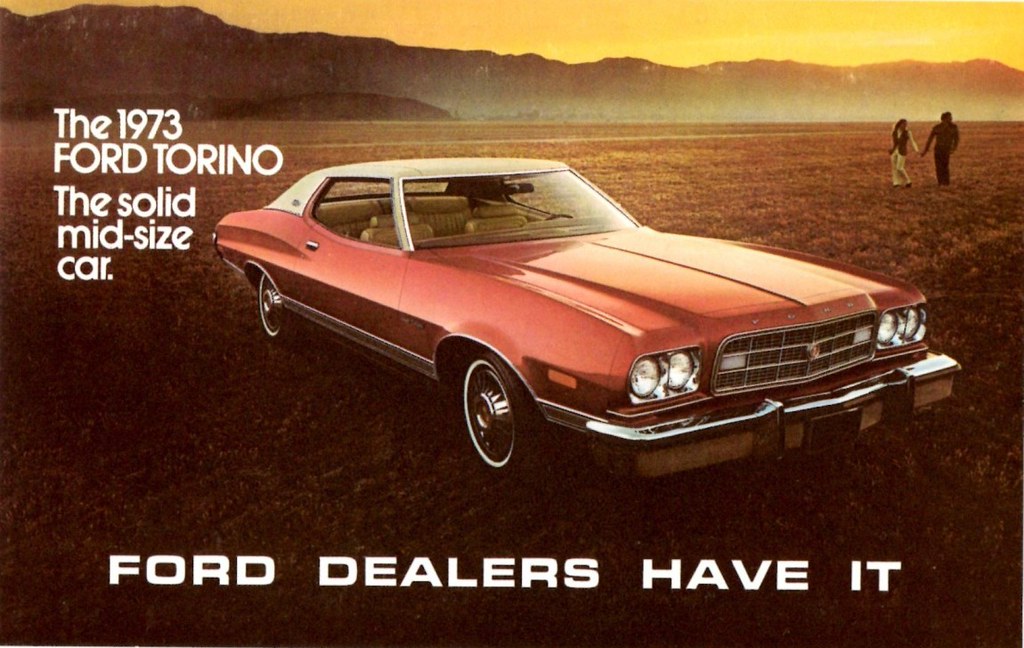
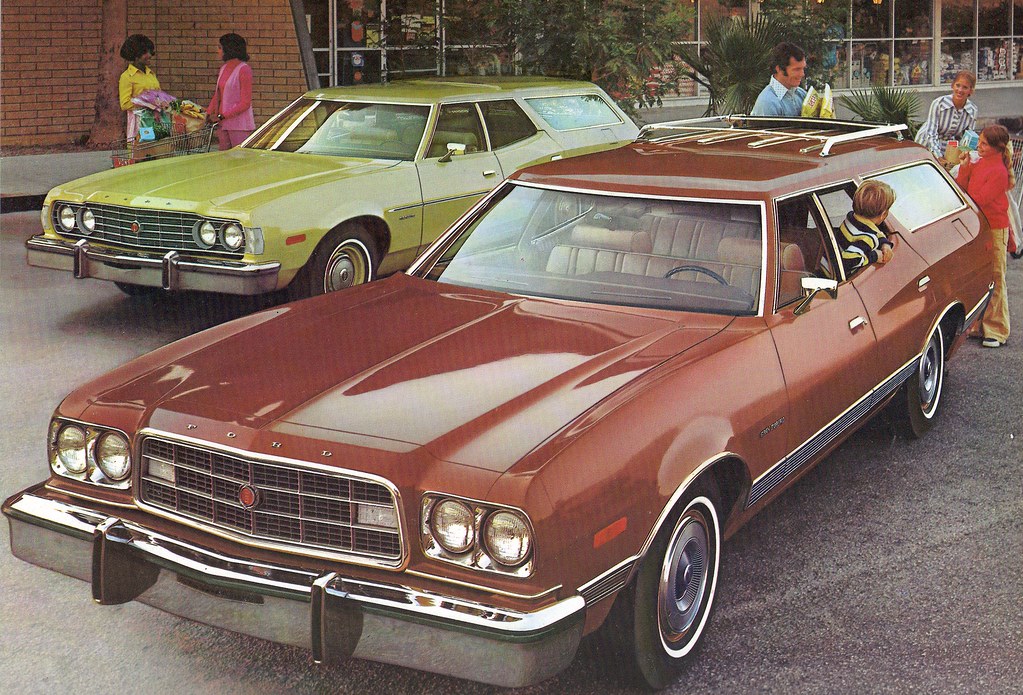 |
| In 1973 there were 2 grill/models available: the "base" Torino (the green one) and the Gran Torino, that had the more familiar centre grille |
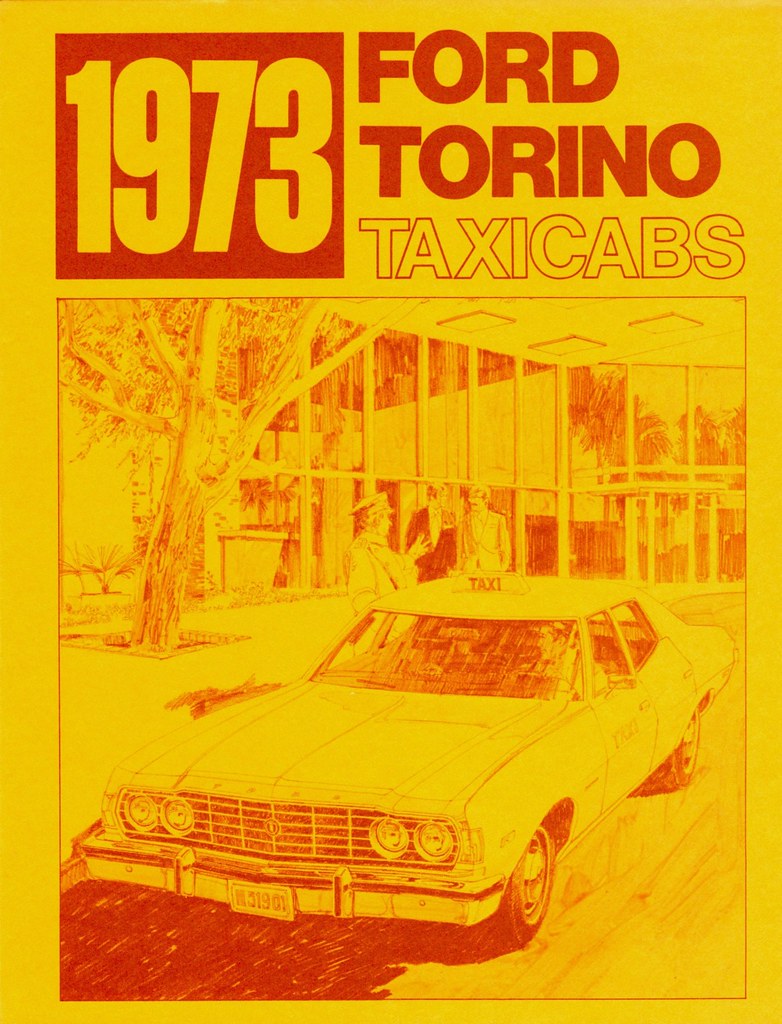
In the Car and Driver magazine road test of a 1973 Gran Torino Sport, the suspension received high marks for comfort and handling. Car and Driver wrote that the Torino was as "..quiet as a Jaguar, smooth as a Continental, the Torino's ride is exceptional...even with the competition suspension." Their test of a SportsRoof equipped with the 351 CJ, C-6 automatic, and 3.25:1 gears, resulted in a 0-60 mph time of 7.7 seconds while the quarter mile was dispatched in 16 seconds at 88.1 mph, slower than before, but still acceptable to most people. 1973 was another successful year for the Torino, with 496,581 units, even with the stiff competition from GM's new for 1973 "Colonnade" intermediates. Torino in fact outsold its main competitor, the Chevrolet Chevelle, by over 168,000 units.
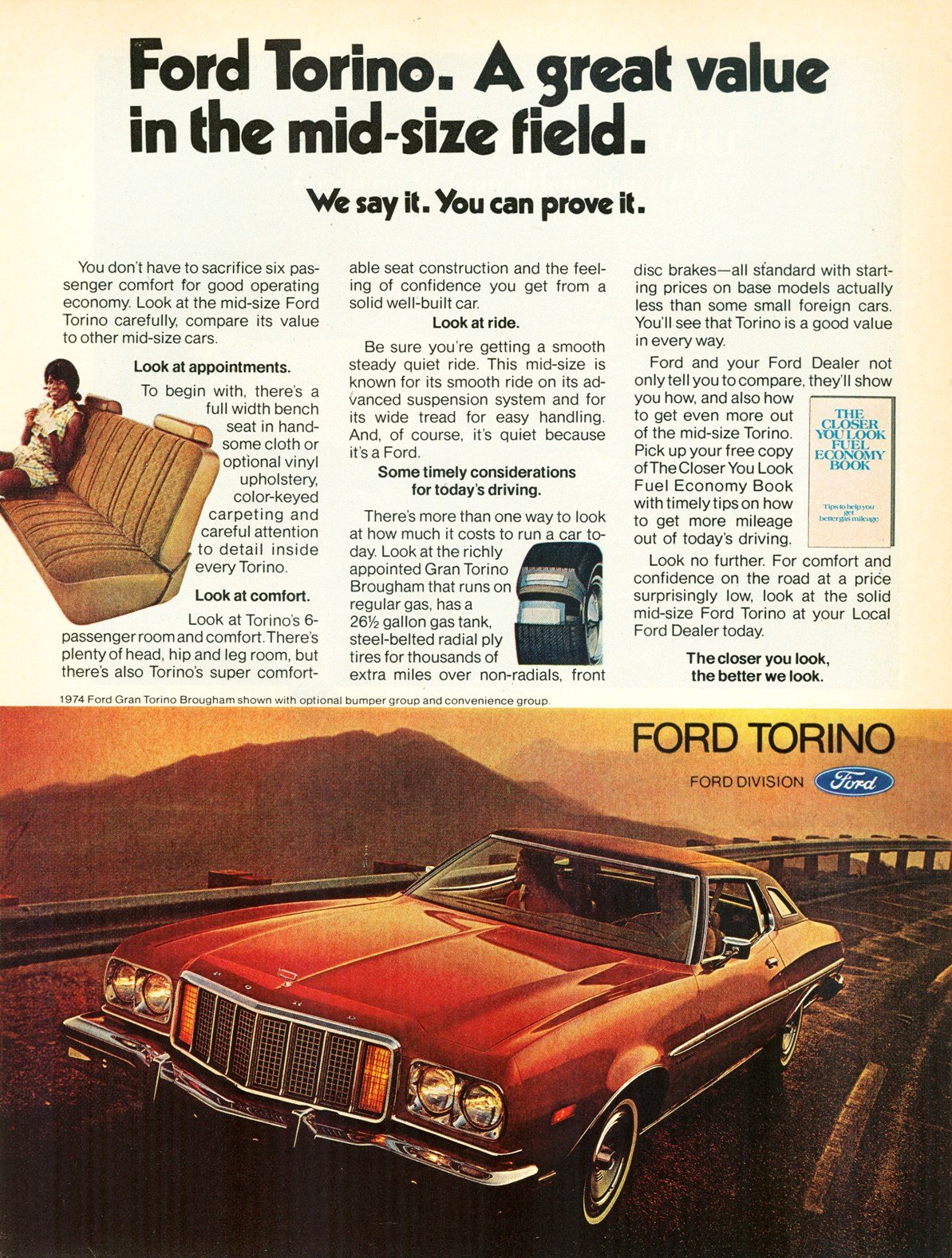

The competition suspension was no longer offered, and the only suspension option was a revised heavy-duty suspension package. The Gran Torino Sport no longer was available with the Sportsroof fastback roof line, and the new "Gran Torino Elite" was introduced. The Gran Torino Elite was developed by Ford to help respond to Chevrolet's ever popular Monte Carlo; it was designed as an entry level "personal luxury" vehicle, for those who couldn't afford a Thunderbird, and was in the same price range as the Monte Carlo. The Elite was described by Ford as "A totally new 2 door hardtop. ..with Thunderbird-inspired styling, sold engineering and personal luxury. ..plus mid-size economy." The Elite wasn't totally new, as Ford described, but it did have a number of unique features; it had unique front sheet metal, with styling that was indeed inspired by the Thunderbird. It came with the 351ci 2v as standard.
 |
| The 1974 base model saloon |
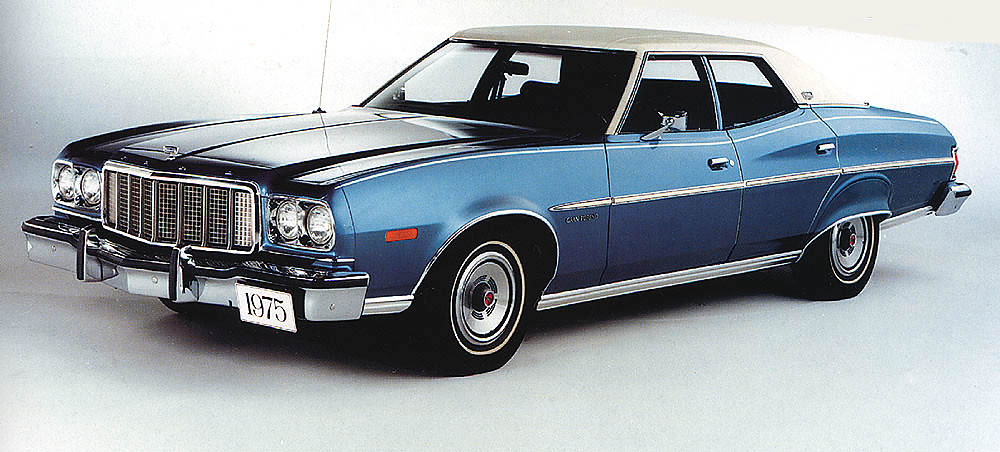
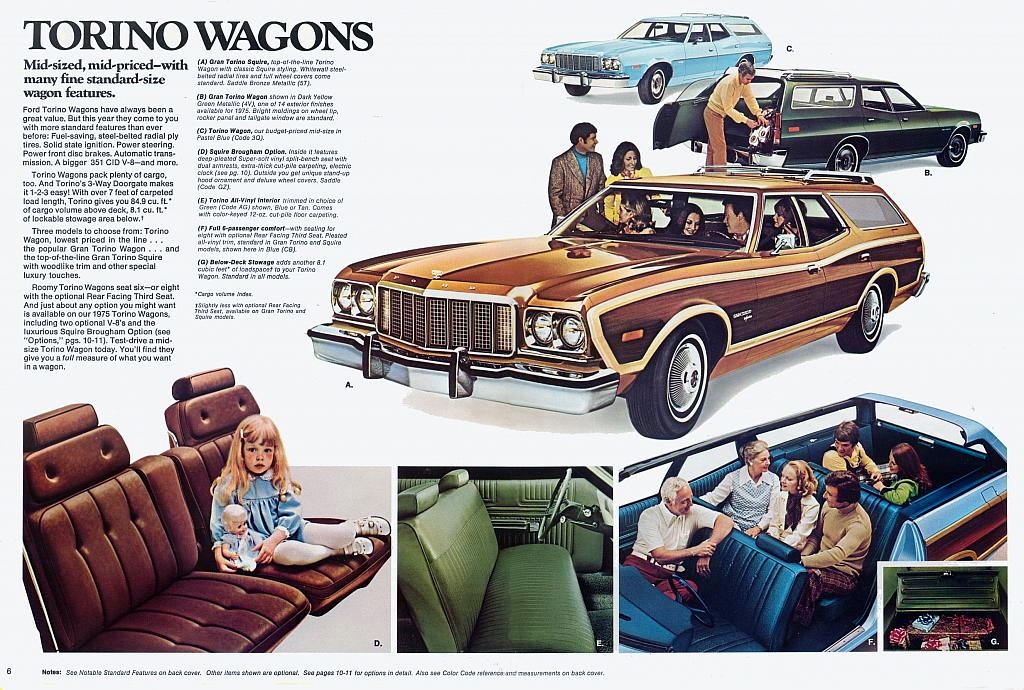
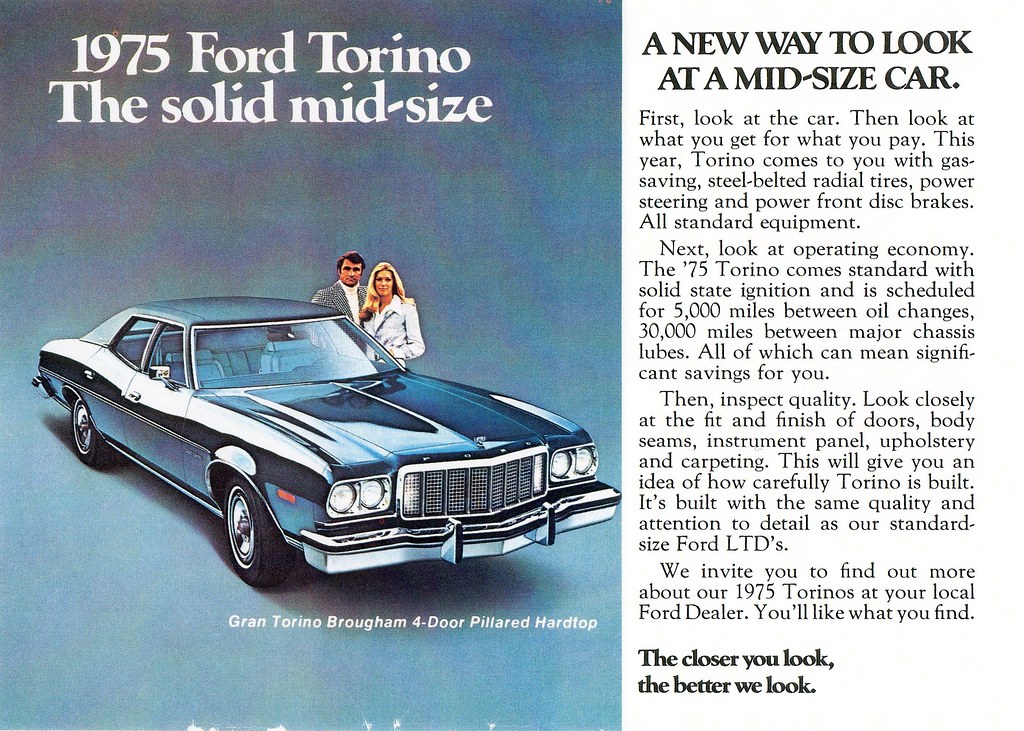
For 1975 model year, the Torino was for the most part unchanged; the Elite was now an independent model, marketed simply as the Ford Elite. The Torino's weight continued to climb, even though the exterior dimensions were unchanged from 1974. The Federal Clean Air Act meant Ford installed catalytic converters to help meet new emission standards; surprise surprise, power was significantly reduced. In response, Ford changed the base engine on all Torinos to the 351-2V engine; along with this change, the Cruise-O-Matic transmission became standard. No manual transmissions were available. Power for all engines, except the 460, was significantly reduced compared to 1974, and with the weight increase, fuel economy and performance continued to decrease. The 400 2V and the 460 4V were the only engine options, as the Cleveland 351 4V was of course no longer available, being replaced with a version of the 351M, which used the taller '400' block. Like we said before, Ford's V8 line-up in the 70's is confusing. The Gran Torino Sport was still available, and remained virtually unchanged from the 1974 model. The Sport continued to remain almost indistinguishable from a conventional Gran Torino, and customers responded with a lack of interest; only 5,126 were produced.
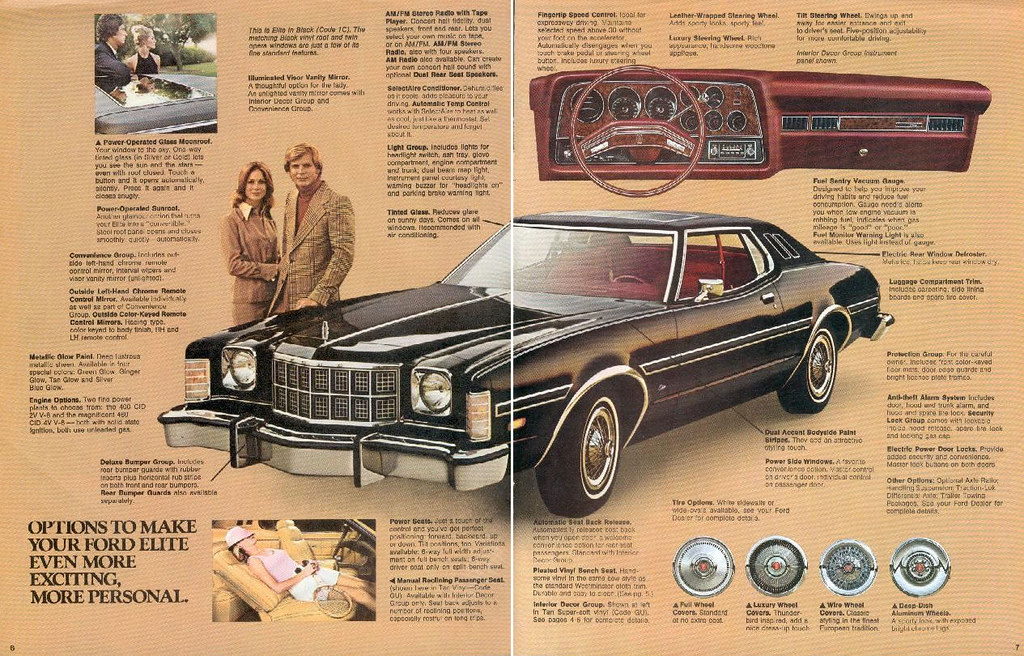 |
| The 1976 Elite. The 'Torino' name was dropped the previous year |
Sales for the Torino as a whole fell significantly from 1974. With the Elite now a separate model, the Torino lost a large portion of its sales; Ford produced only 195,110 Torino's for 1975. Even with the addition of the 123,372 Elites produced for 1975, total output was 318,482 which was still significantly lower than 1974. Sales decreases were likely due to the increased demand for smaller economical cars, while Ford's new "sensibly" sized Granada most likely also stole sales. The Ford Granada was classed as a compact by Ford, but ironically had dimensions close to that of a late 1960s Ford Torino.
By '76, the Torino was firmly in decline; there were no major changes to the Torino line-up and the Gran Torino Sport was discontinued. Engine options remained unchanged; the 351 2V engines and the 400 2V had a power and torque increase, and the 460 4V had a power decrease.
Which brings us to Starsky & Hutch.
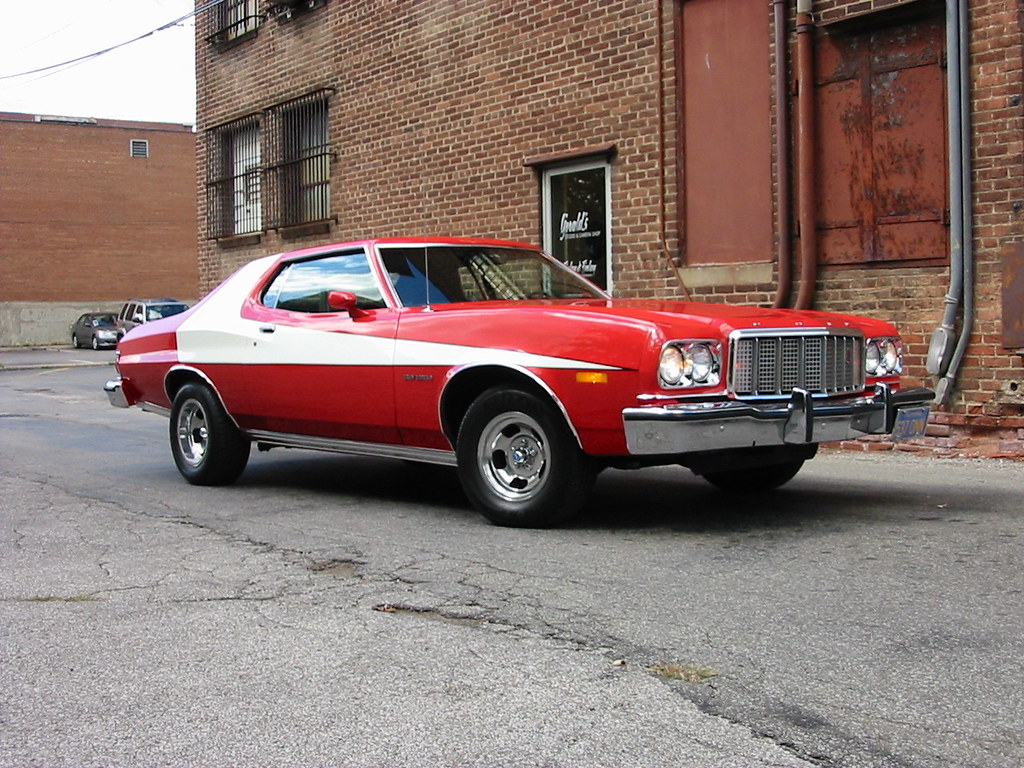 |
| Not one of the myriad 'fan' knock-offs - this one is an official Ford-produced replica |
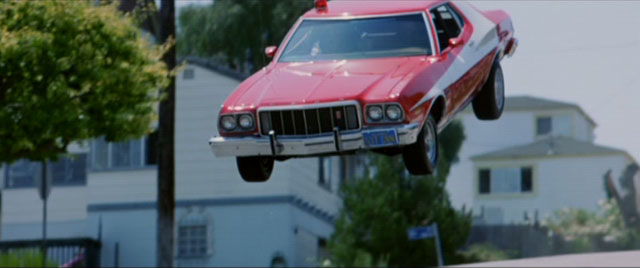 |
| 'This is gonna hurt...' |

The factory replicas were close to the TV show Torino, but had minor differences in the stripe, and did not have the aggressive rake of the TV car. Many replica owners installed slot mags and air shocks after purchase to give the car a more authentic look. The factory replica was available with all Torino engines. Seat colours were limited to black or white and were available with all seating trims and options. One of the factory replicas was leased to Spelling-Goldberg as a backup for the original Torinos that were created for the show.
Production total for the Torino in 1976 was 193,096 units, slightly lower than 1975. This was the final year for the Torino, as for the 1977 model year, Ford replaced it with the LTD II, created through a major restyle of the Torino sheet metal. The Torino chassis continued to live on under the LTD II, the Mercury Cougar, the Ford Ranchero and the Ford Thunderbird from 1977 to 1979, when it was replaced by the legendary Panther platform.
 |
| A red '74 Gran Torino, but without a white stripe? Jings, what would David Michael Starsky think? |
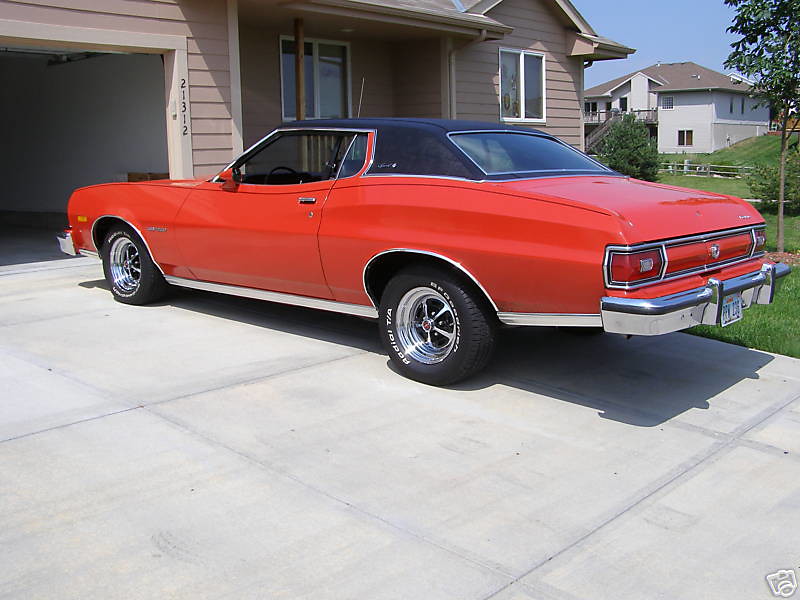 |
| Lookit! A Gran Torino Sport, with a vinyl roof! |
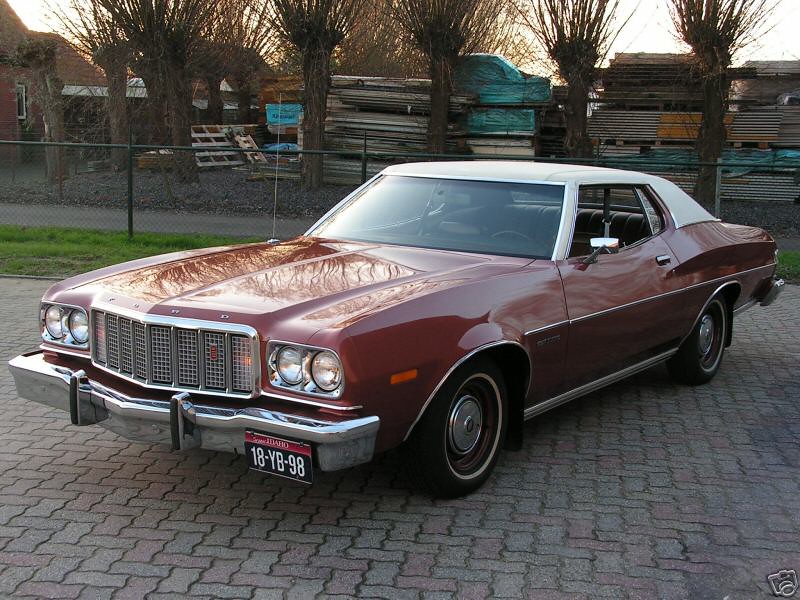 |
| This one's a completely different colour, and-wassat? |
 |
| ...oh, go on then |
 |
- Amazo doesn't like the stripe, does he?
- Nope, no he doesn't
|
The whole was definitely made greater by the sum of these parts.
16 January 2012
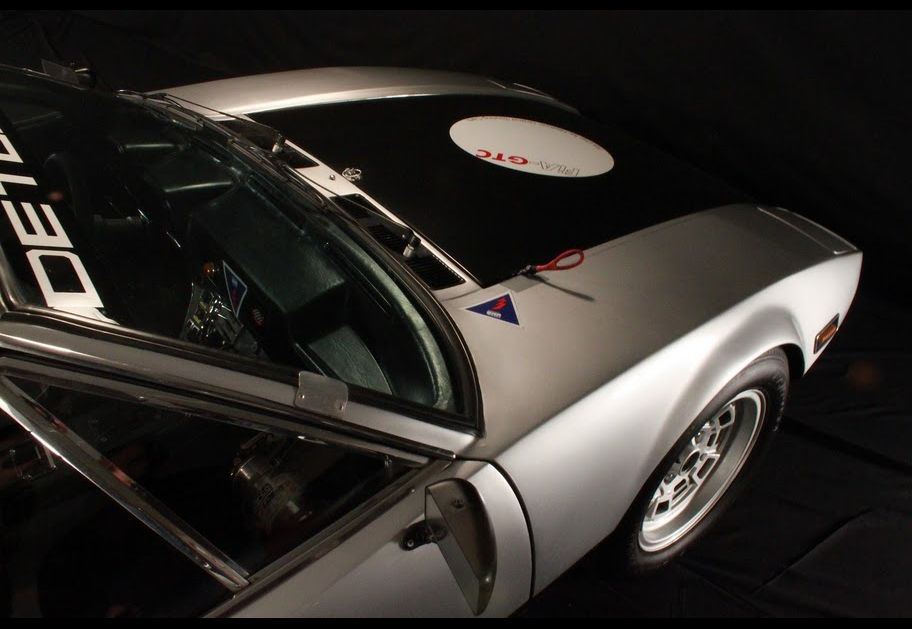
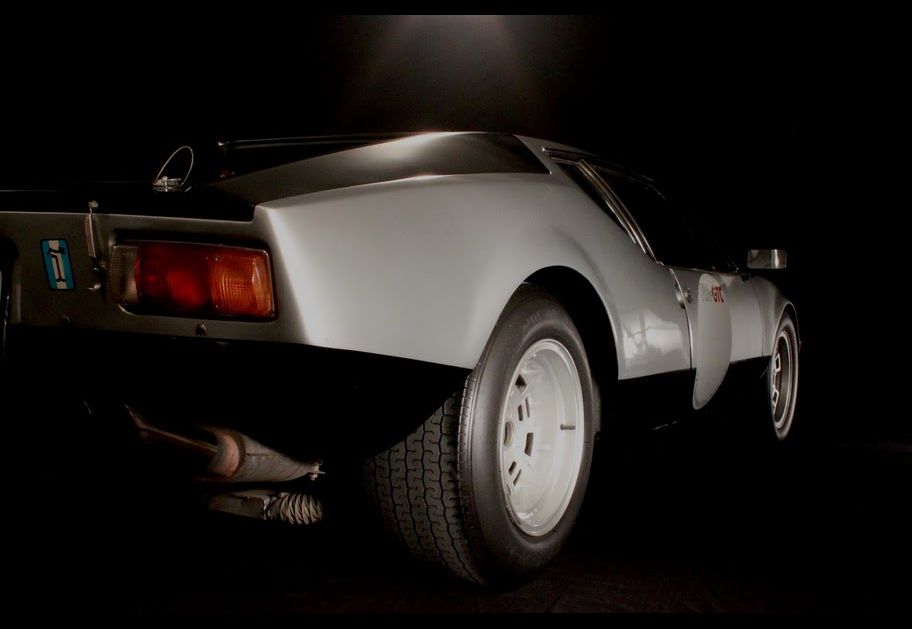
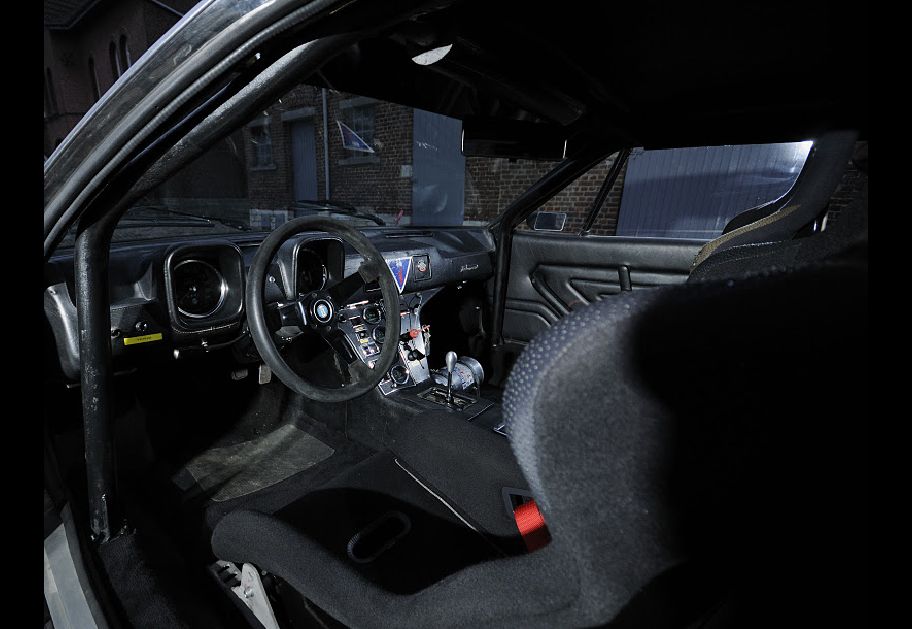
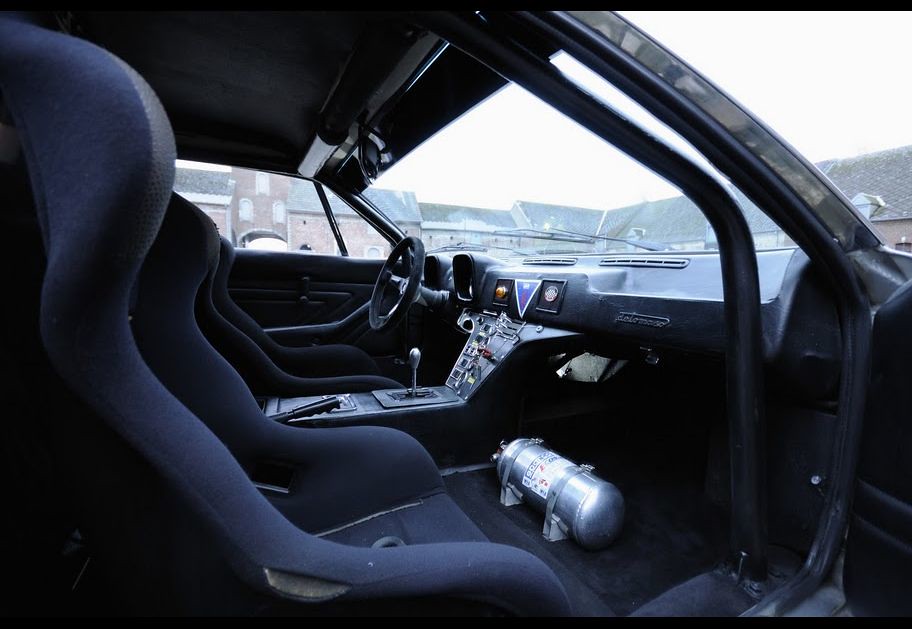
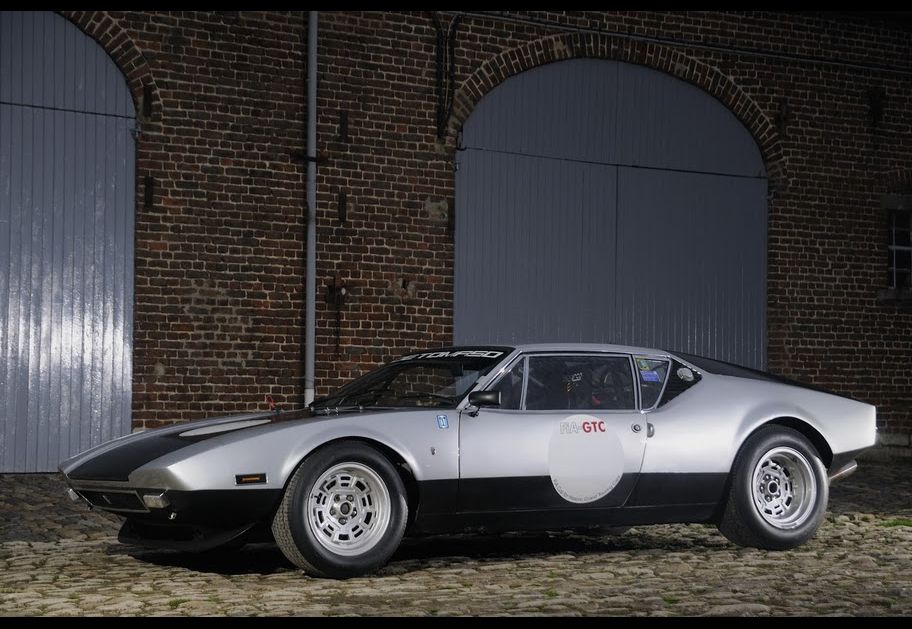
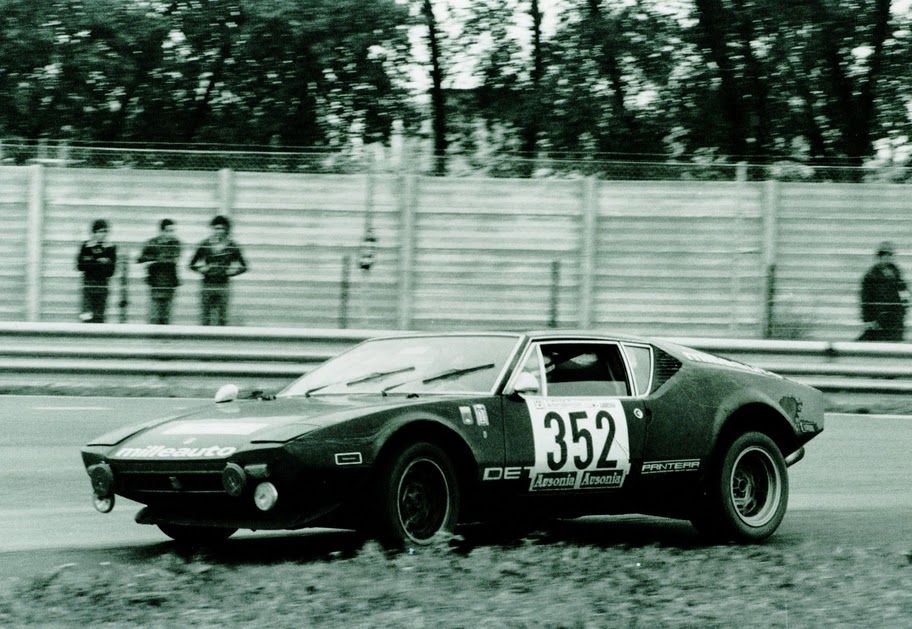
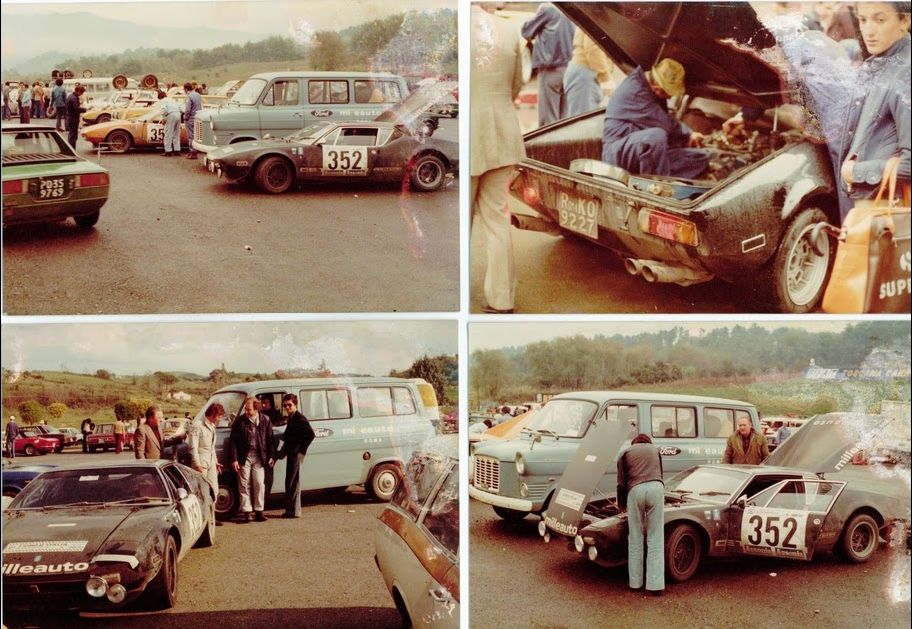
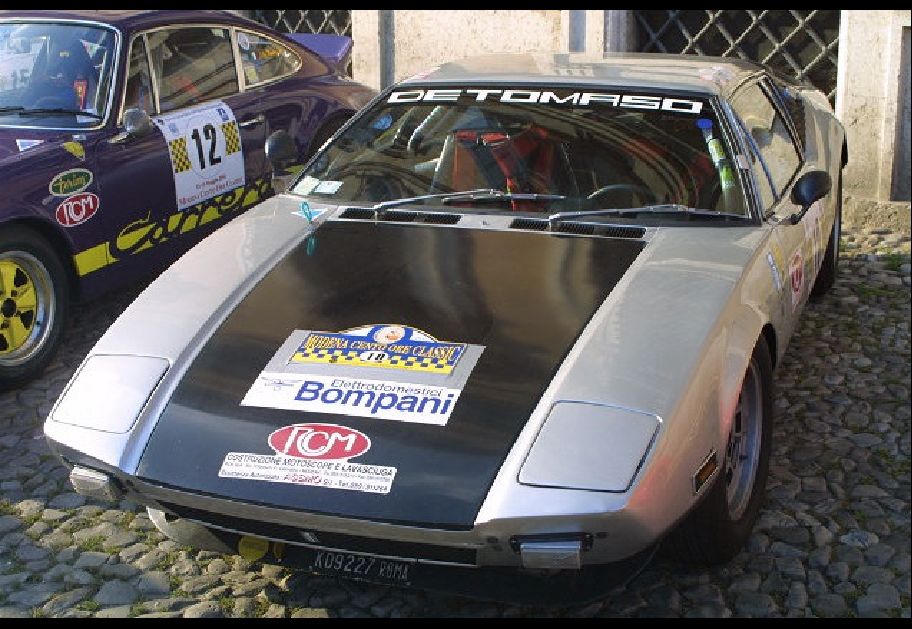
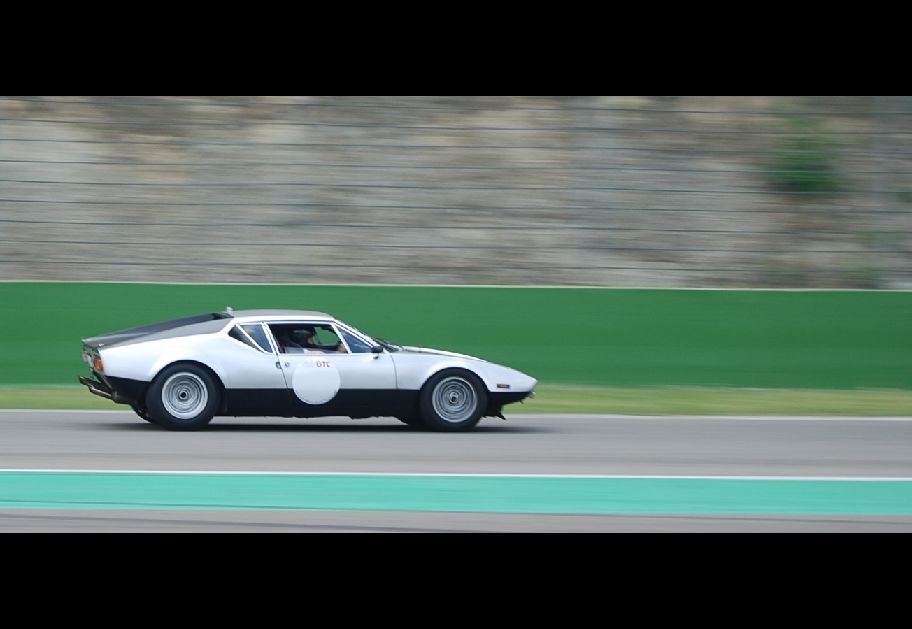
Racecar Of The Day - 1972 De Tomaso Pantera Gr.3 Prototype on eBay
To everyone who's ever listed a car on eBay and struggled to make an appealing listing and to the people who have made our day when we've laughed out loud at listings that are funny for all of the wrong reasons:
THIS is how you list a car.
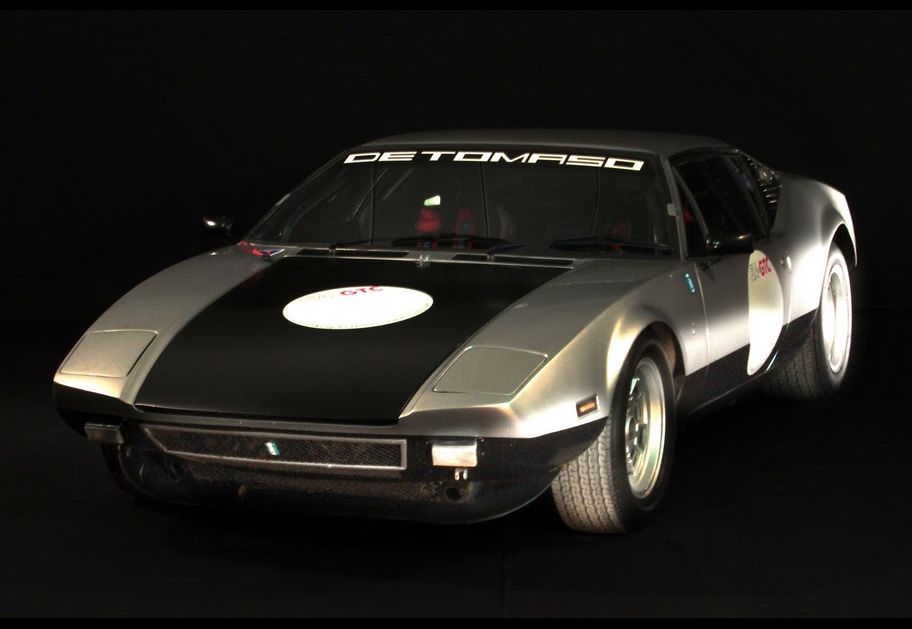
OK, it helps that the car in question is a De Tomaso Pantera Gr.3 Prototype (Chassis 1070), but by jingo, they couldn't have put this car in a better light. We think that the $235,000 asking price is, if anything, too low.
Heres that link again; feel free to drool, slobber, gibber, go cross-eyed and generally act like a 5 year-old kid who's been given his first toy car. We are.
From the ad:


THIS is how you list a car.
OK, it helps that the car in question is a De Tomaso Pantera Gr.3 Prototype (Chassis 1070), but by jingo, they couldn't have put this car in a better light. We think that the $235,000 asking price is, if anything, too low.
Heres that link again; feel free to drool, slobber, gibber, go cross-eyed and generally act like a 5 year-old kid who's been given his first toy car. We are.
From the ad:
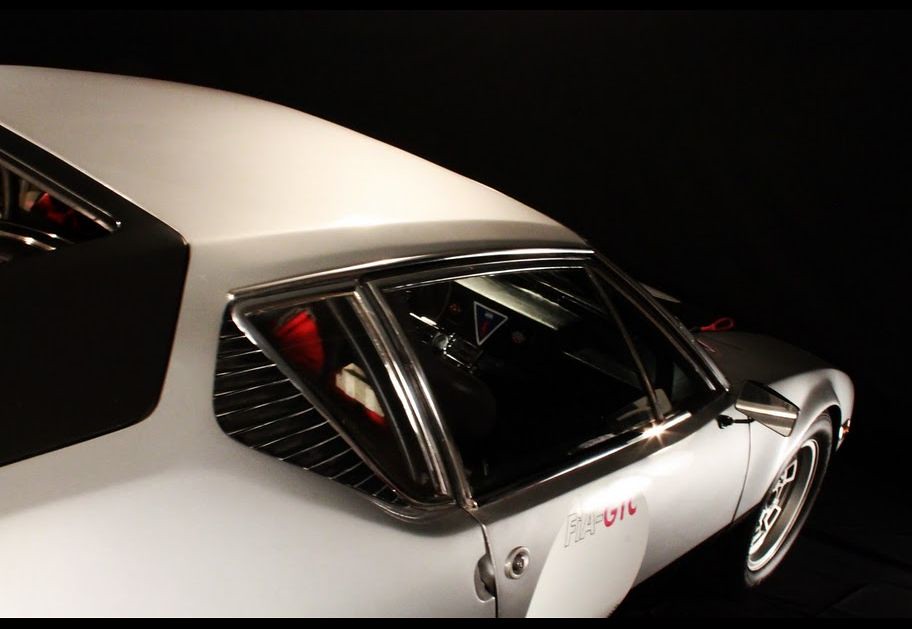
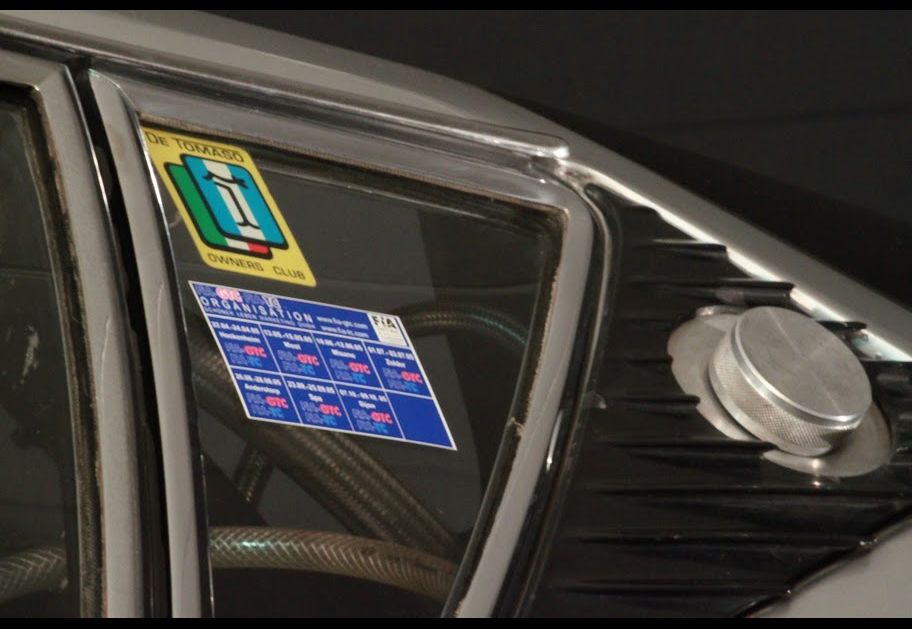
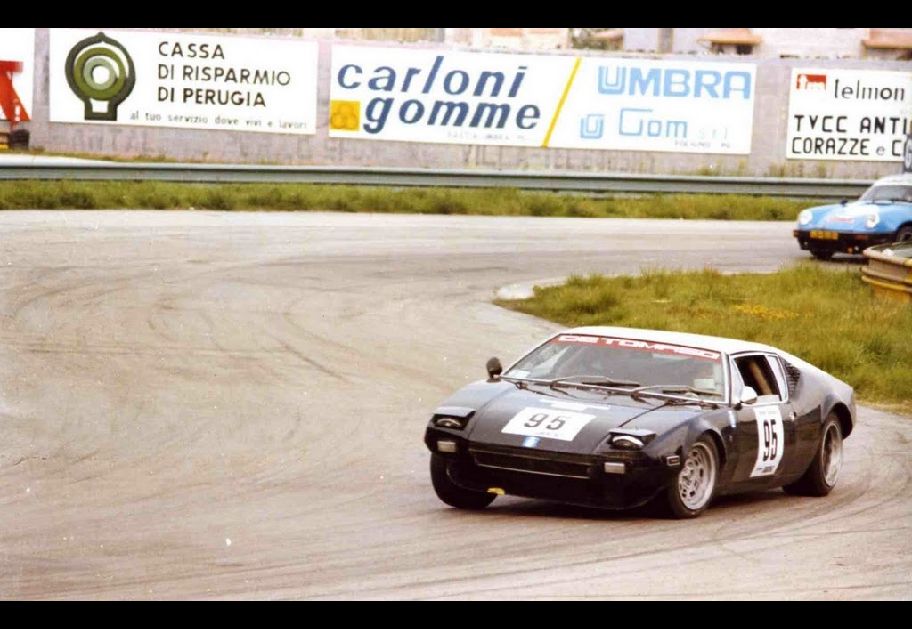
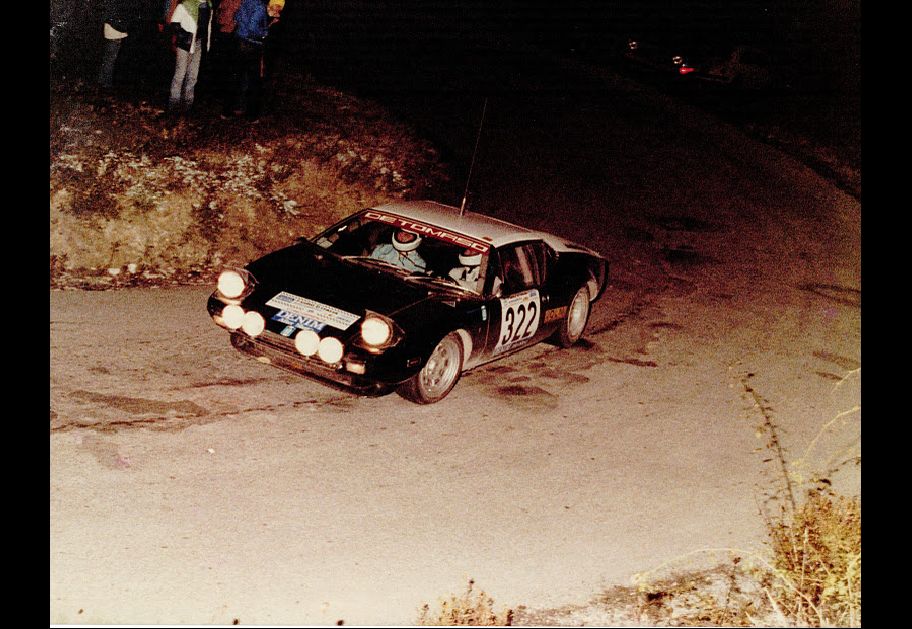
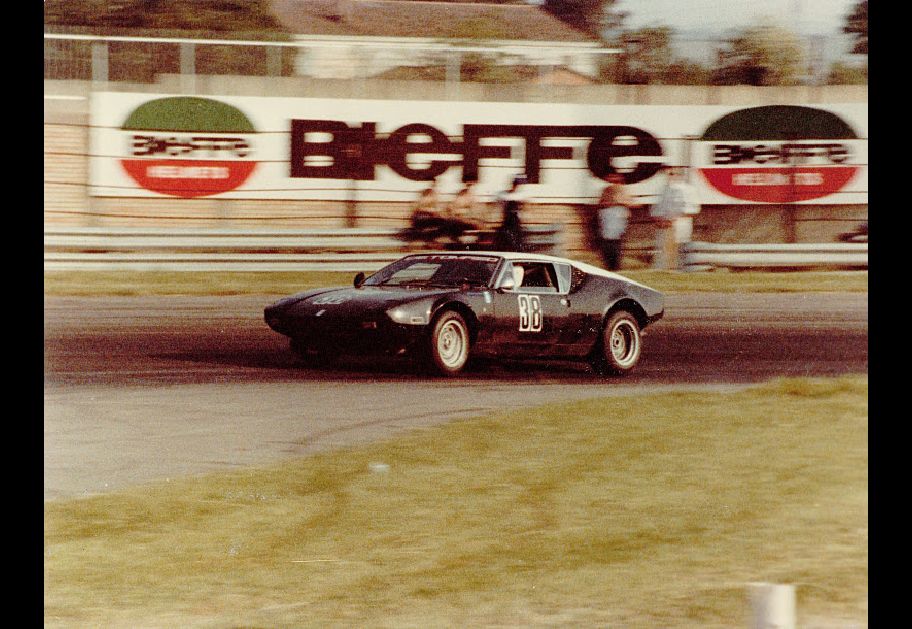
Of all Gr.3 Panteras ( presumably 34 ), 1070 is definitely the most unique. The Gr.3 Pantera was available by special order from the factory from 1972 through 1984 and '1070' was the first one.Being the prototype of the Gr.3 it was built on a leftover 'push-button' chassis and, therefore, is the only existing Gr.3 with a hand-made body as all pre-production Panteras were built by hand before the factory had the assembly line in place. The only noticeable difference were the door handles and thatís why all pre-production hand-made Panteras are called 'pulsante' ( push-button ).
Chucks registry indicates that:
In addition to being the Gr.3 prototype, 1070 also stands aside as having one of the most intense racing activity of all Gr.3s. The archive of its racing life in Italy is intense and extremely well documented, as you will see below, but not all the results are known to this day and there should be some more room in years to come to complete it.
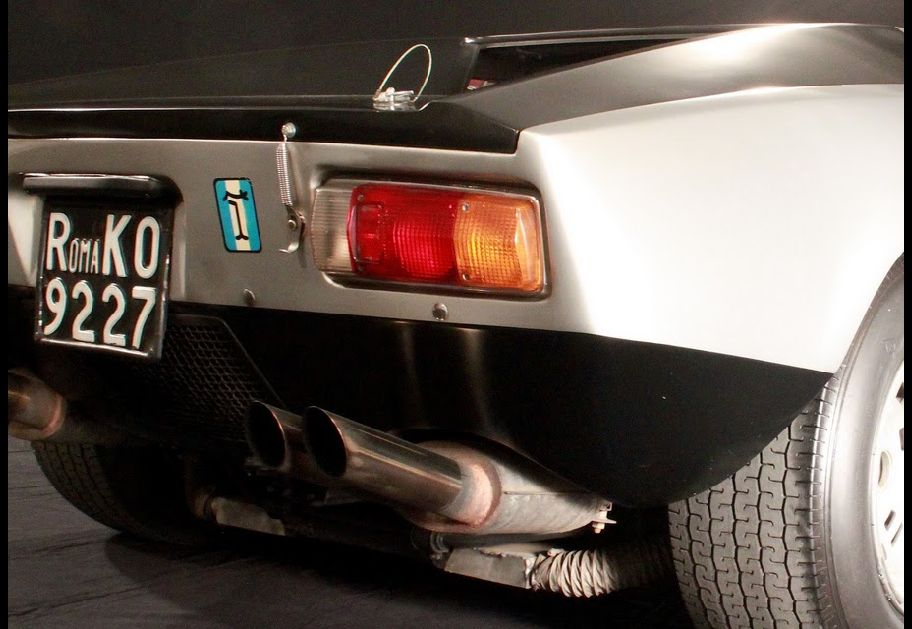
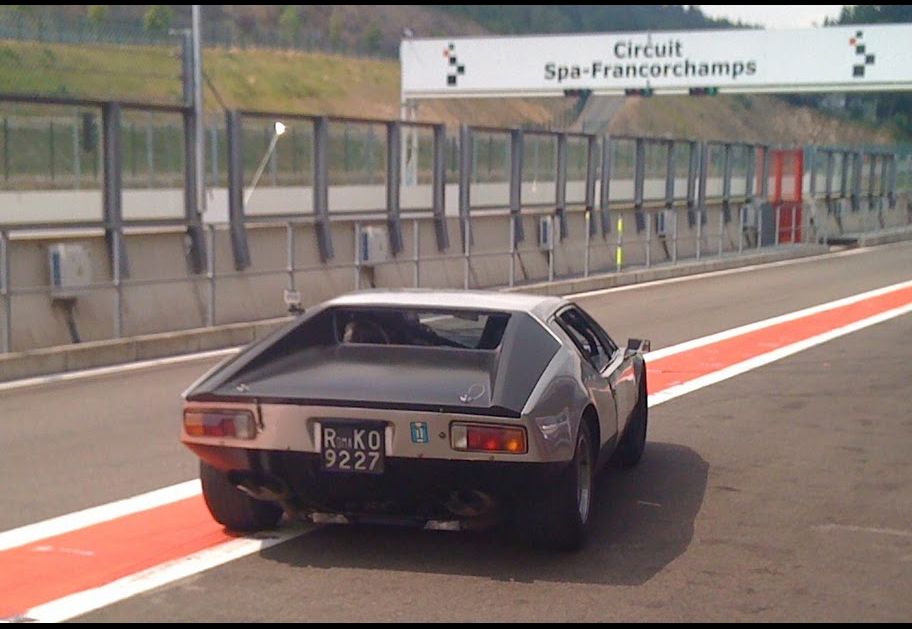
Sold new on March 21, 1972 to ìAuto Club Roma Italiaî it was registered with plate 'Roma KO 9227'. It was sold in 1973 to 'Ital Atlantic Express' for their driver Maurizio Micangeli to compete in the Italian sports car championship.
In the year 1974, Maurizio Micangeli raced her 7 times with 3 first place finishes.He moved on to a Gr.4 Pantera in 1975 and '1070' was sold to their friend Marco Curti alias 'Spiffero'.Spiffero raced her intensively until the end of 1979 when he storaged her as he also bought a Gr.4 ( 2858 ).
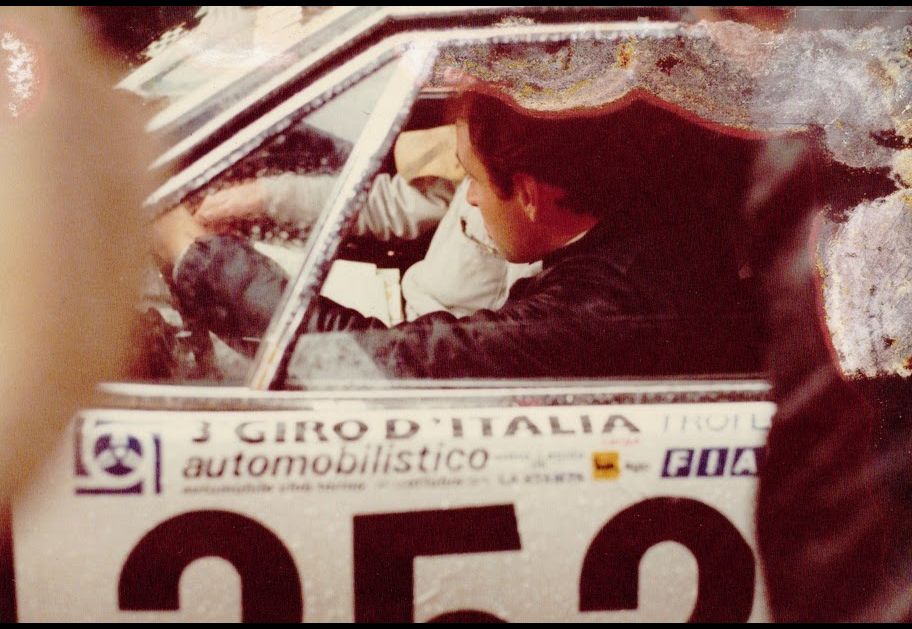
Within these 5 years he raced her at practically every race taking place in Italy with a couple of 2nd place finished. He also raced her each year at the prestigious 5 day Giro díItalia where his best result was 10th overall in 1978 behind some great drivers of that era like Markku Allen, Riccardo Patrese, Michelle Mouton, and behind great cars like Porsche 935 Turbo, Lancia Stratos Turbo.
Some other races where he took part in that second part of the 70's were won by drivers like Jacky Ickx, Jochen Mass and many others.Spiffero sold her in the mid 90's to Dominato Lado who took her to the factory for a complete restoration and changed the color from black to silver black. He took place in many Italian historical races and sold her in 2003 to Lado Niccolo who did the same until selling her in 2005.
1070 has been in Belgium since and is now available for a new home either for a private collection of historic racing cars or to continue her racing career in all the classic events around the world. She is eligible for all the famous ones like the Le Mans Classic (which she did in 2002 ), the French Tour Auto or even the new born Giro díItalia where she should be very welcomed, having done the original one 5 timesBy the way, it's probably one of very few Italian registered racing cars that is still with its first registration plates. (if you have an address in Italy, it could stay that way).
Condition :
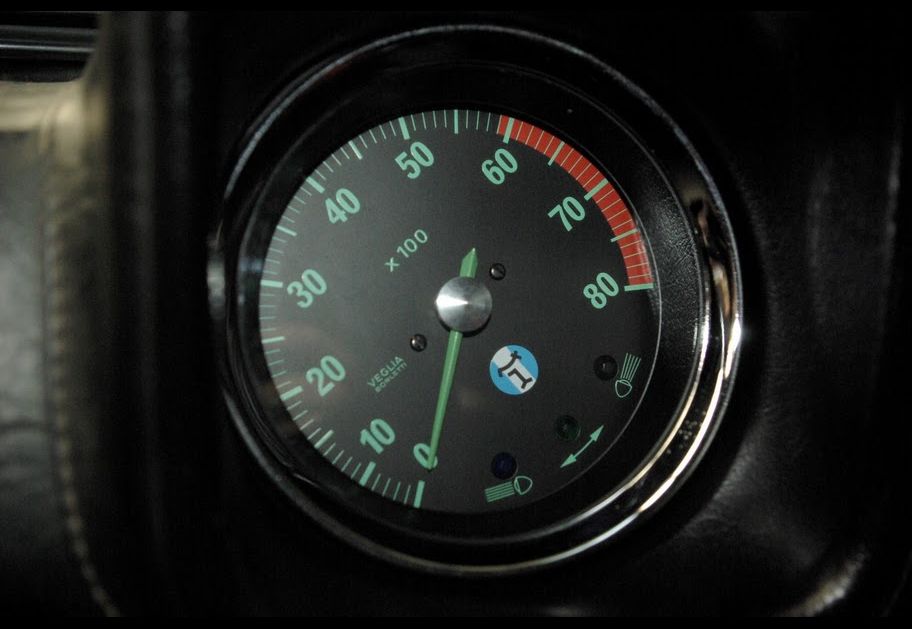
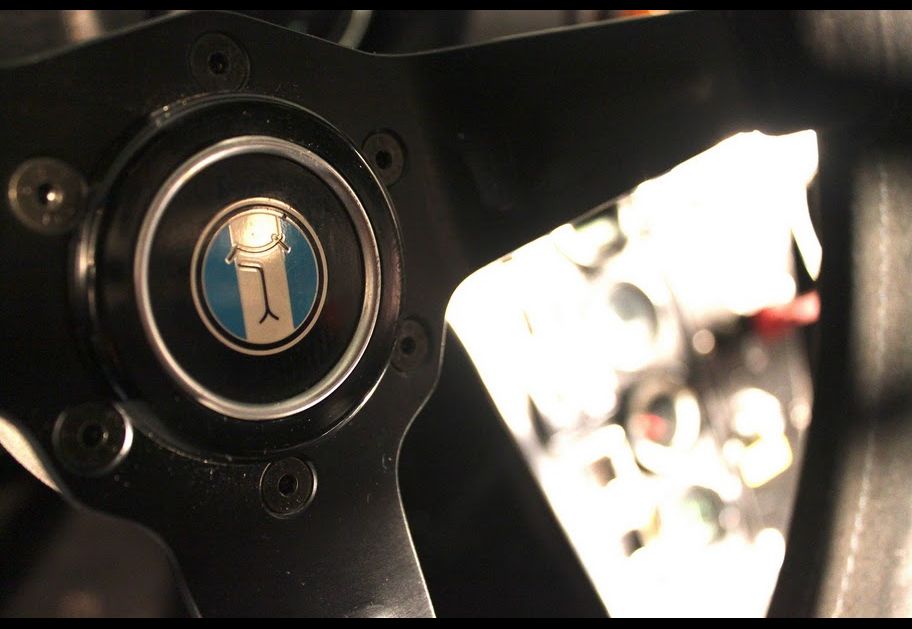
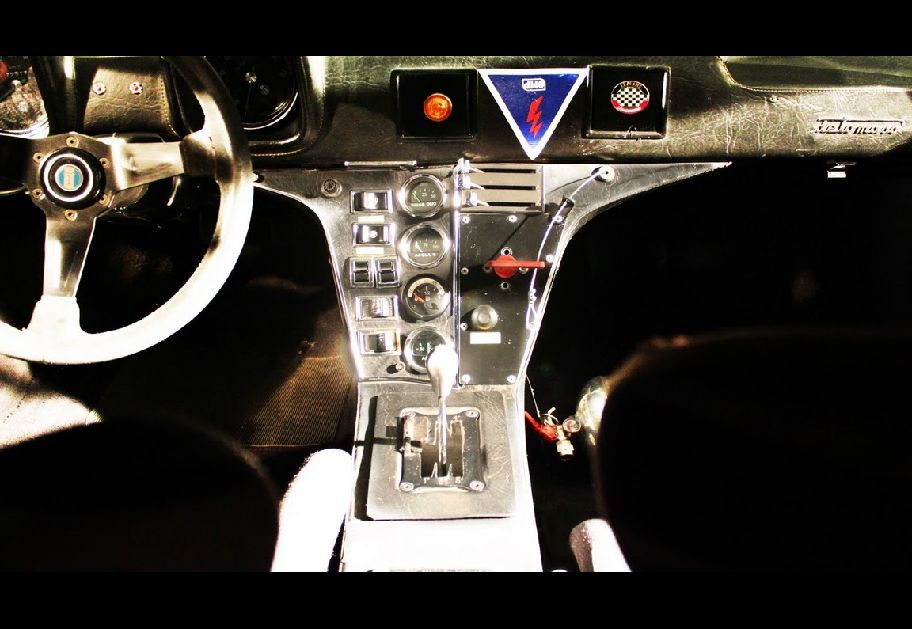
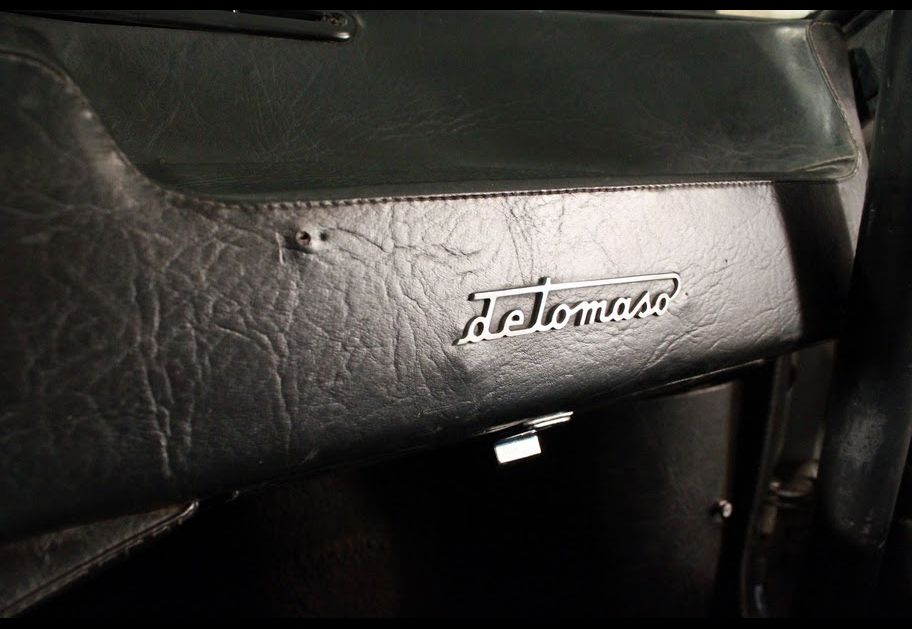
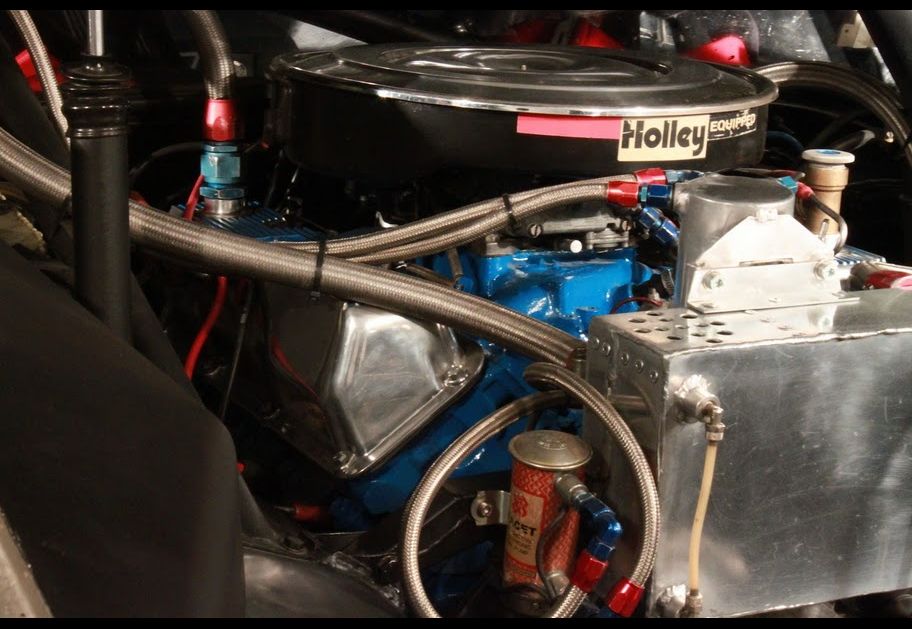
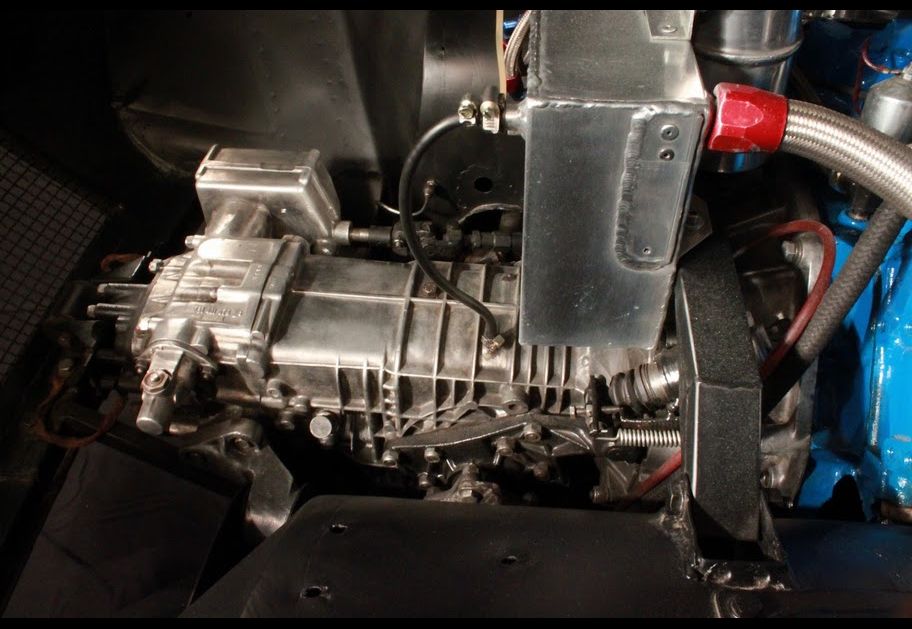
Having done 48 historic races since the restoration in 1997 sheís not in concours condition, of course, but is very well preserved with a perfectly straight body that shows a small dent in the front hood, some chip stones on the nose and a few cracks in the paint near the windows. The interior is completely original and in perfect shape. The steering wheel and the 2 bucket seats are from the 90ís and both seats are worn around the area that holds the shoulders. The engine bay was cosmetically refreshed this last May when a full service was done and looks almost new. The work carried out was a new MSD ignition system with new plugs, cables and a new distributor. The original Ford 351 engine runs as new and delivers all the power wich you can tell by a time of 2:58 around the Spa-Francorchamps track in June of this year. All brakes were done in 2007 and are very good. Gearbox is perfect and the heavy-duty clutch is a little rough but does the job perfectly. Four new vintage-design Dunlop tires were also fitted this year. The 4 original Cromodora wheels ( not replicas ) were repainted a few years ago but the paint isnít as smooth as it should be. All electrical functions work perfectly including the pop-up headlight system (one is a bit slower that the other). The passenger side window rolls down but not evenly and needs some help rolling up. The sale includes the following :










The car's got some competition history, to sat the least:
1974 - Vallelunga:
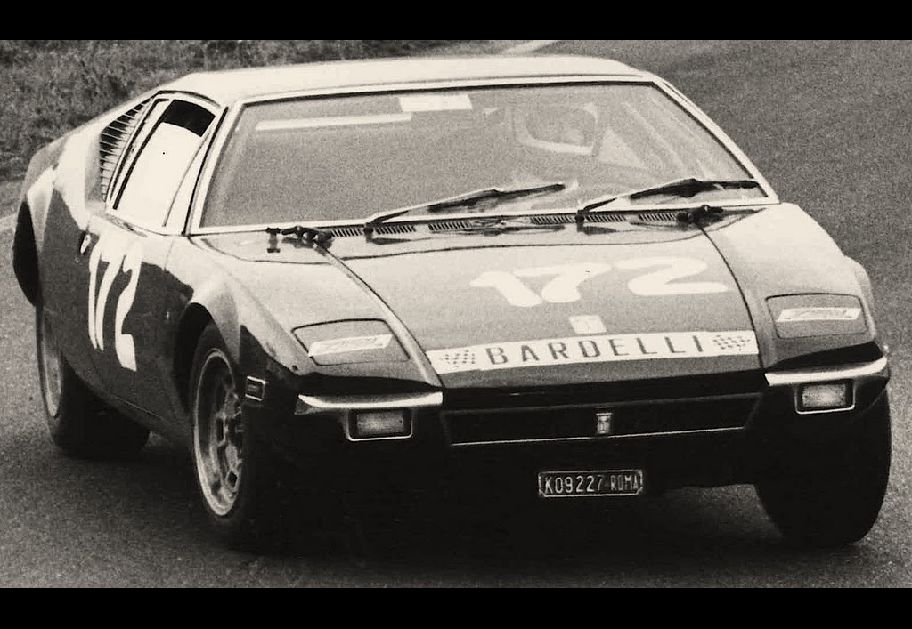

Magione:


Mugeno:
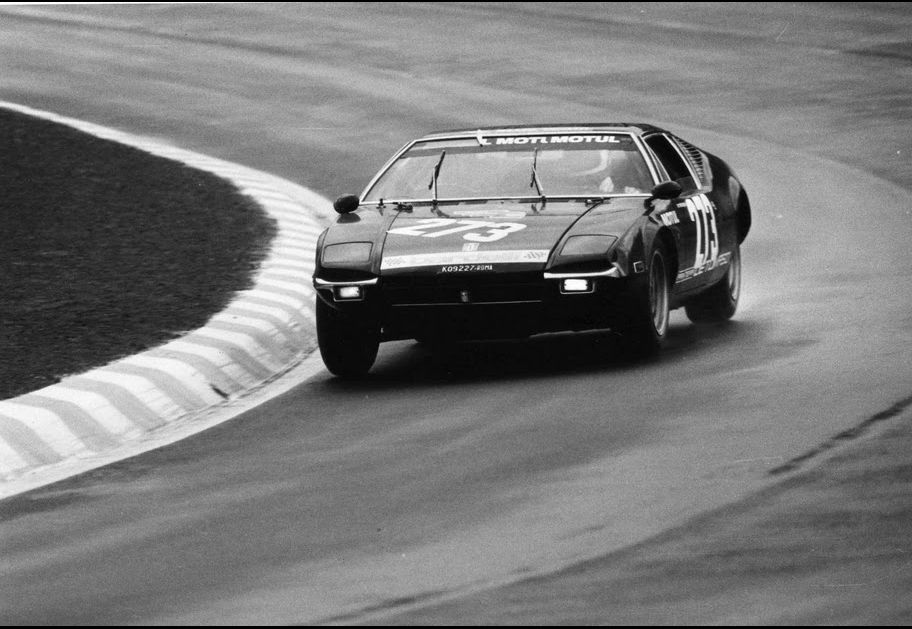
Coppa Intereuropa, Monza:

1975 - Giro D'Italia:
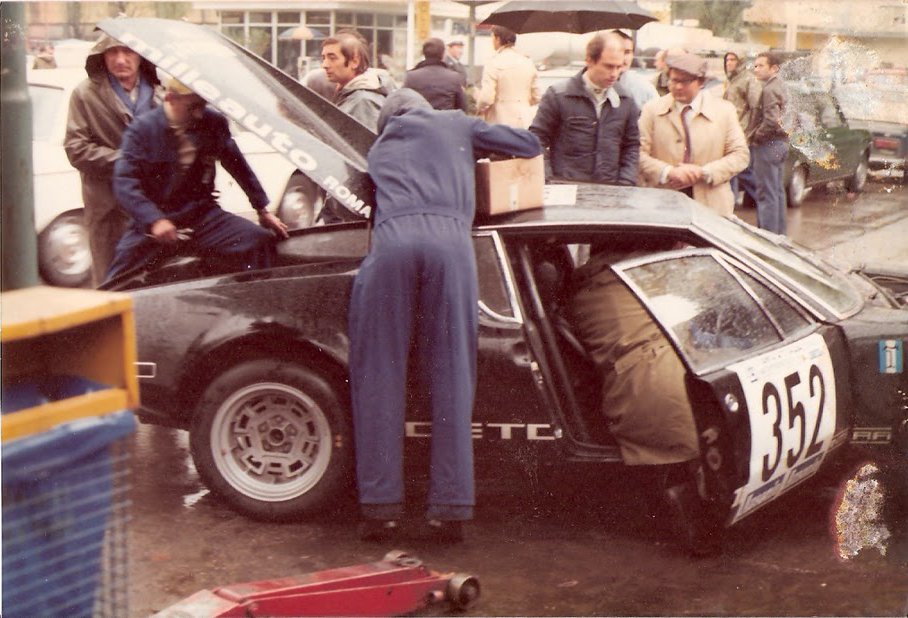


Back to Vallelunga:
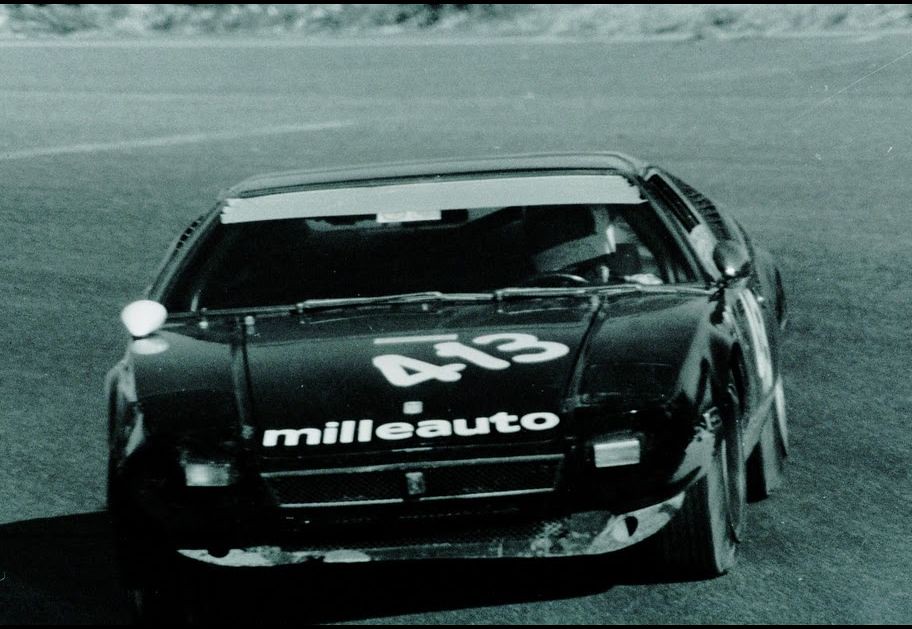
1976 - Vallelunga:
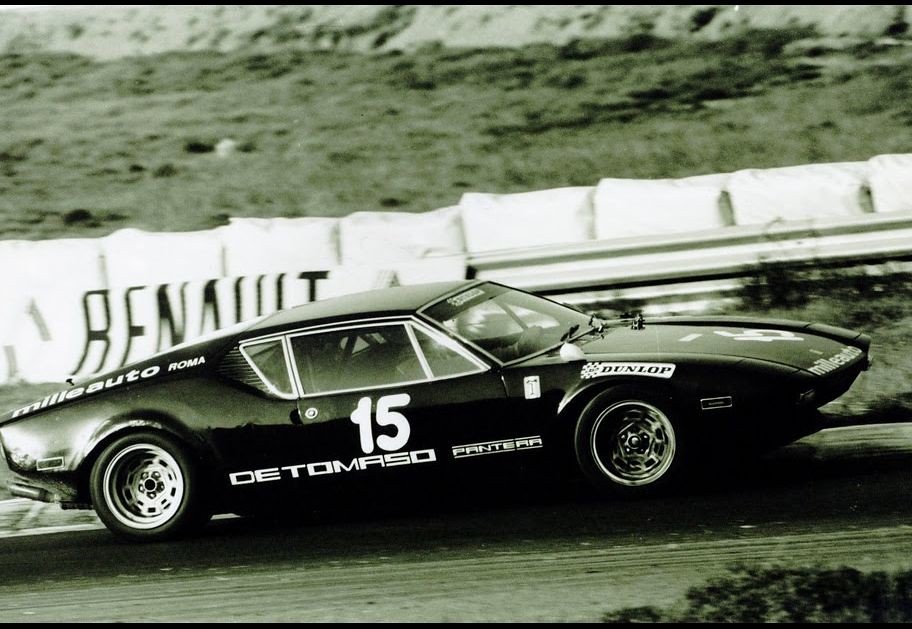
1976 - Passo Dello Spino, an Italian road race:
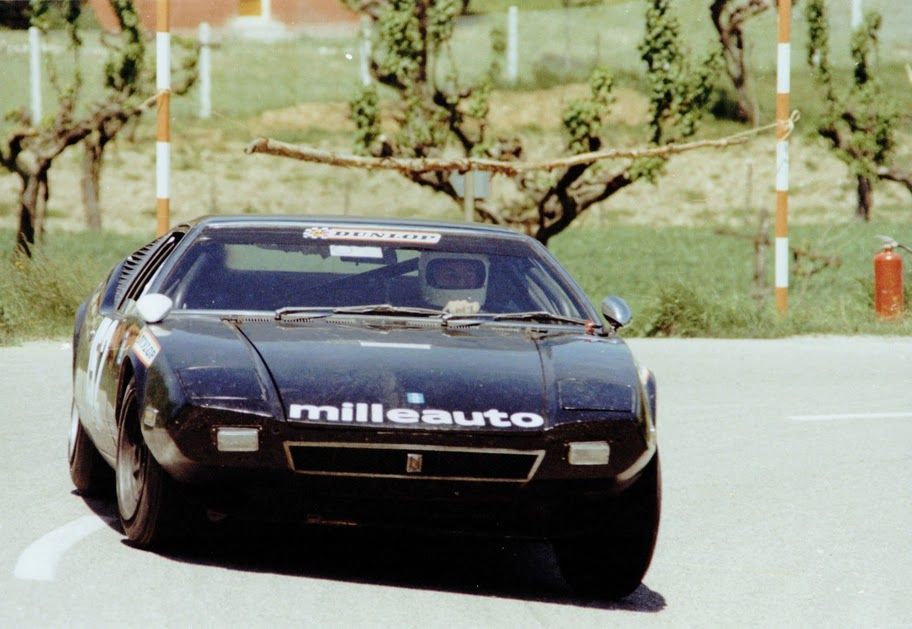
Magione:
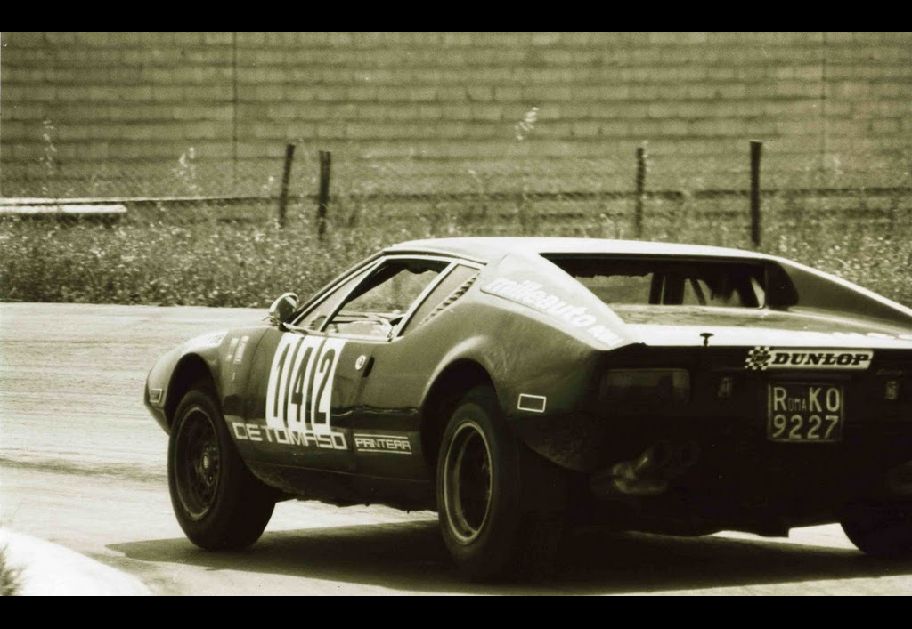
Rieti Terminillo, a hillclimb:
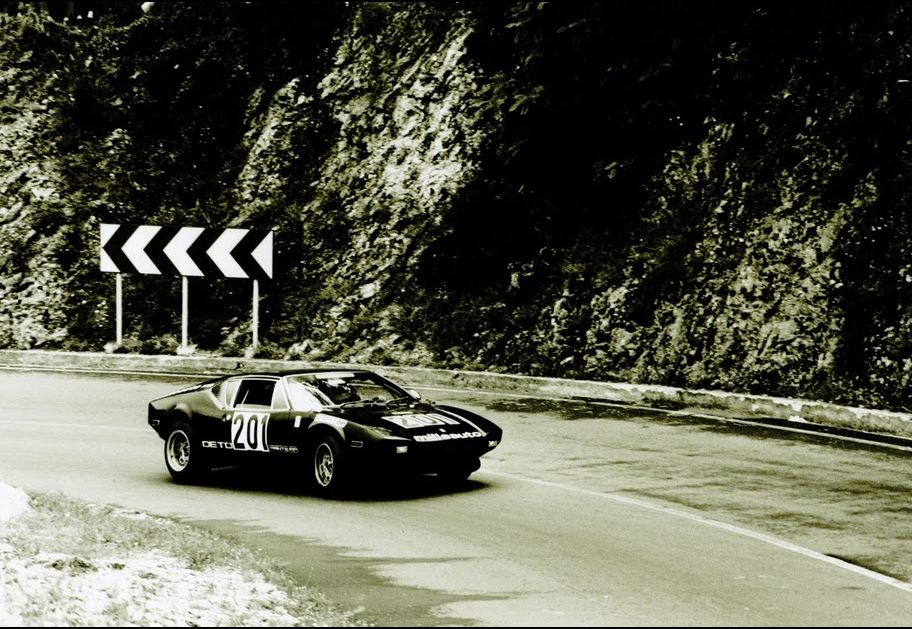
Spinning it at Imola:
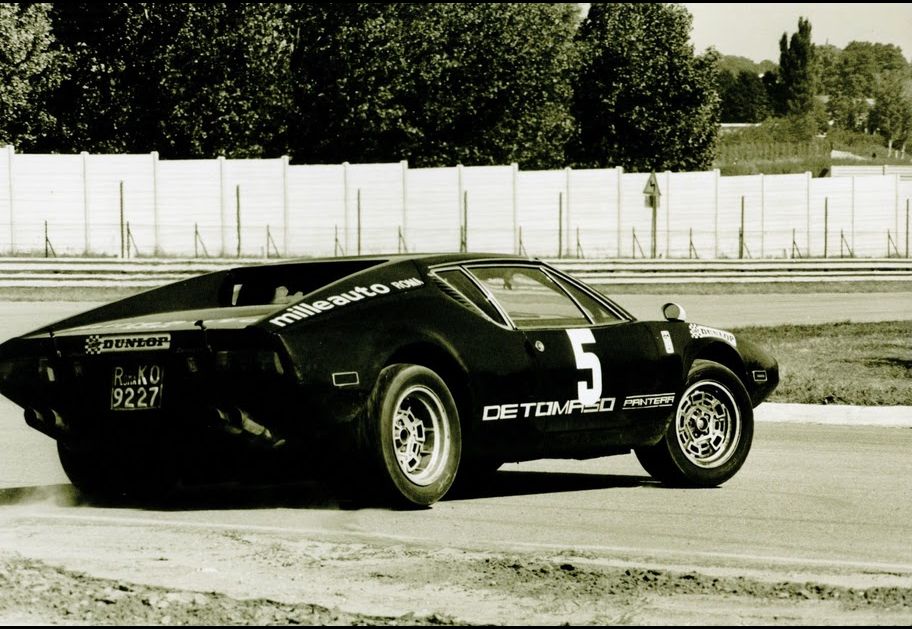
Giro D'Italia:
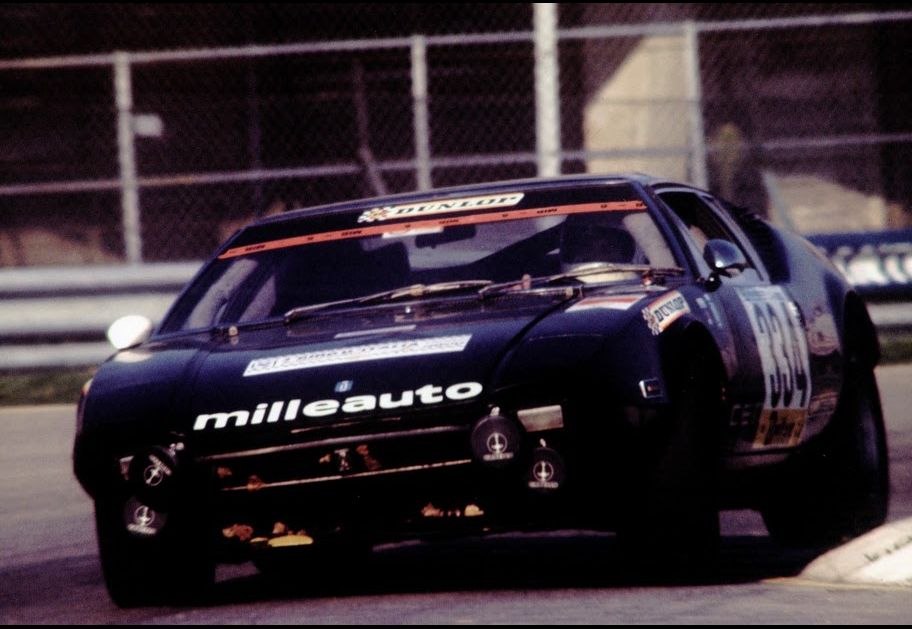
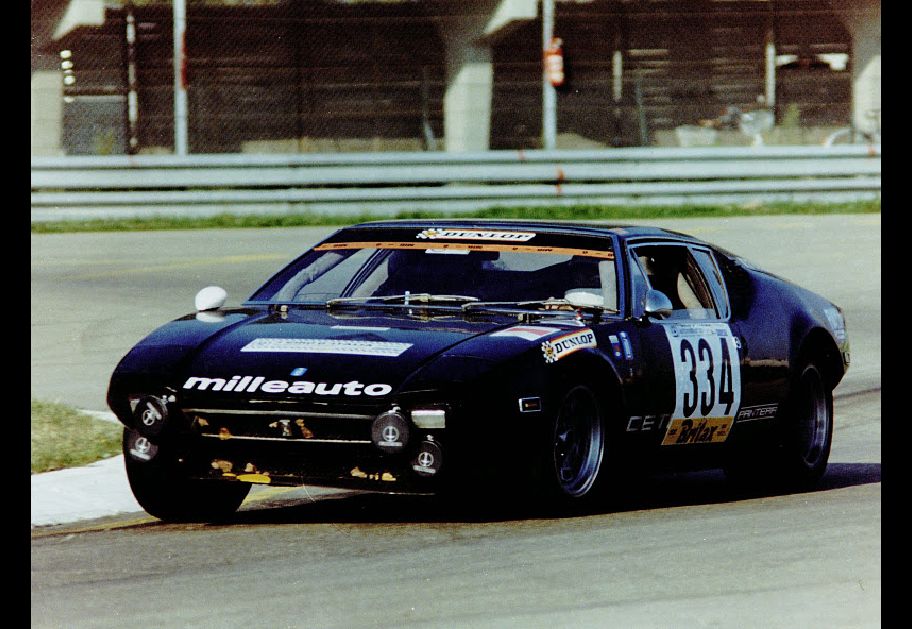
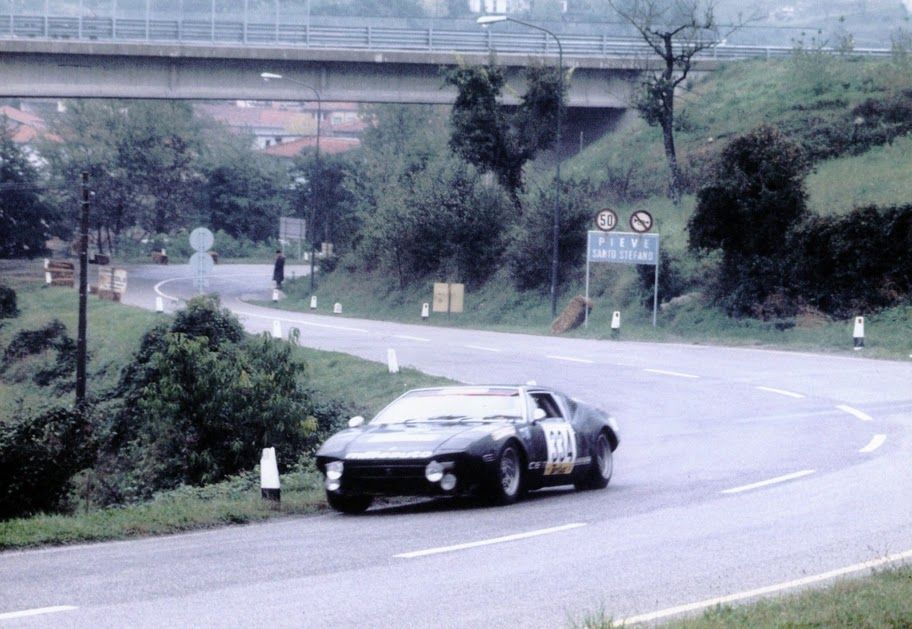
Back to the regular haunt of Vallelunga:

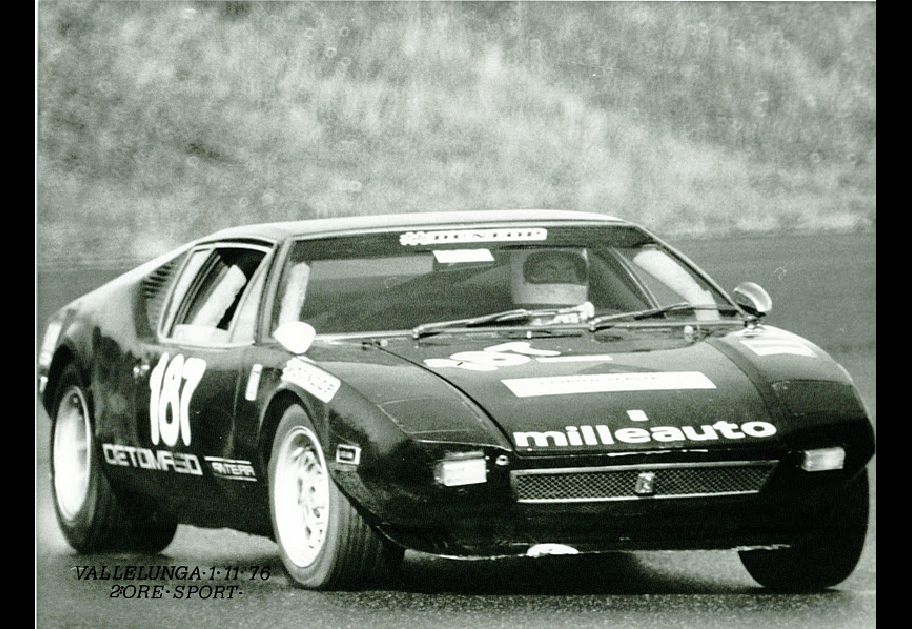
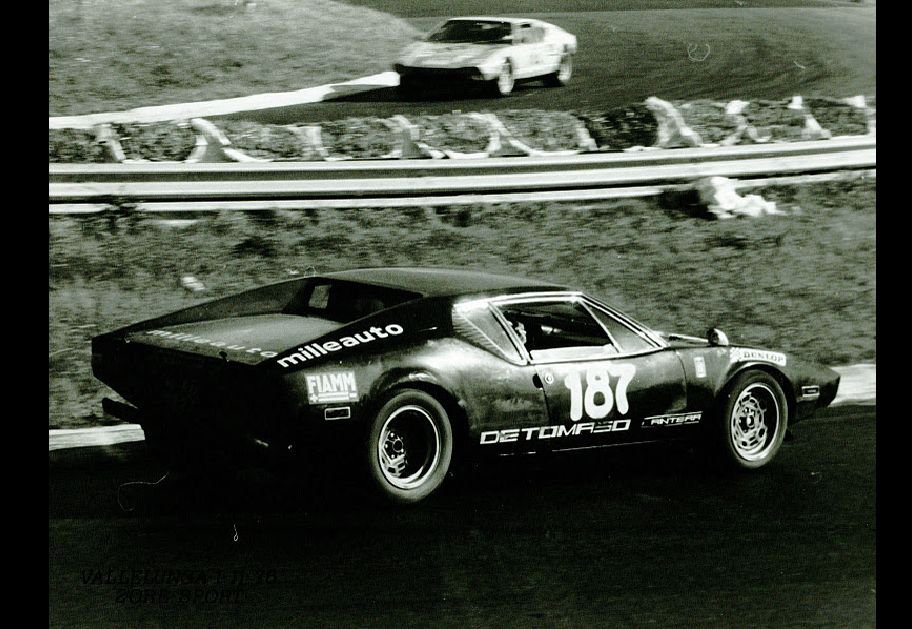

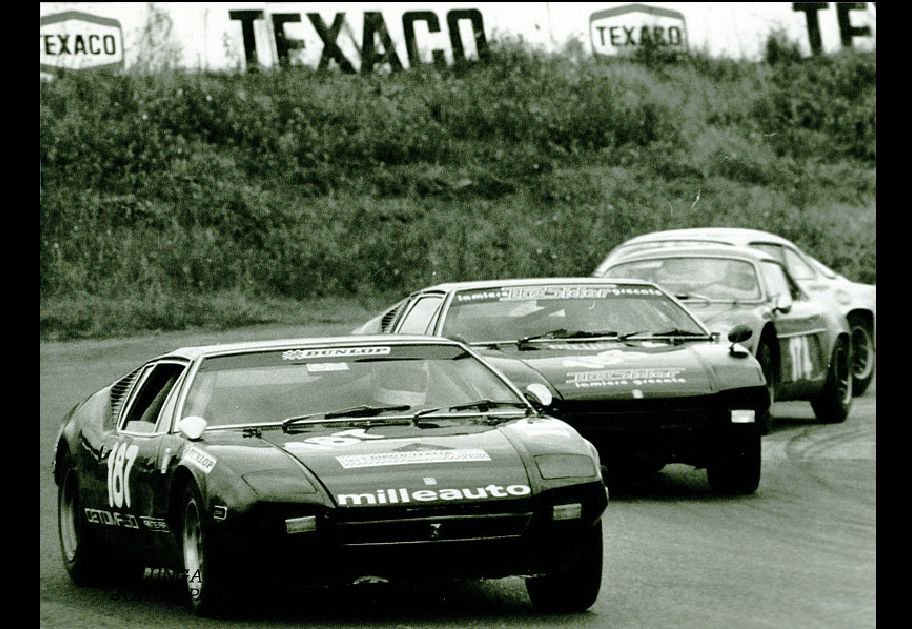
Passo Dello Spino:

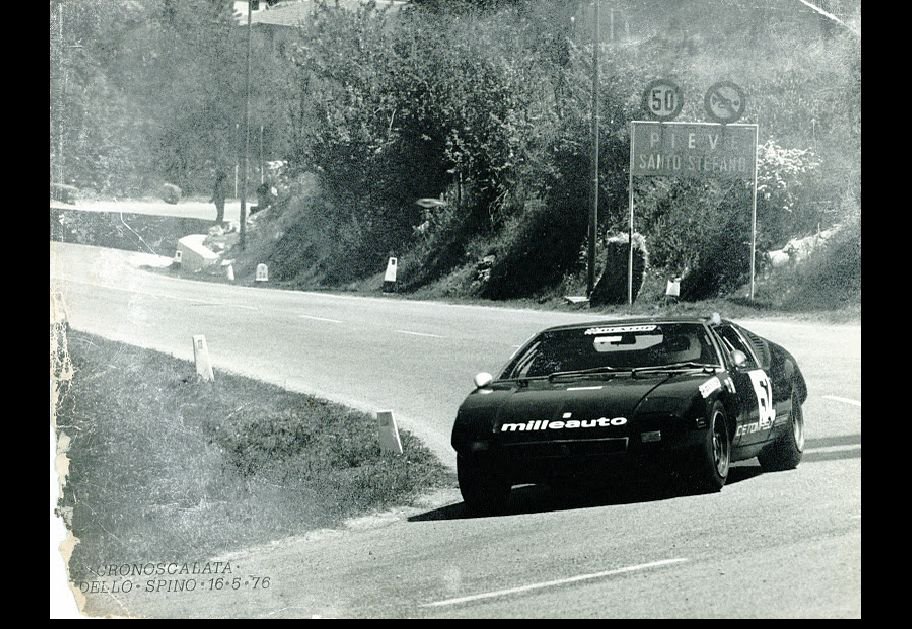
Hunting down an Alfa GTA, Imola:


1977 - Giro Del L'umbria; what a grid:

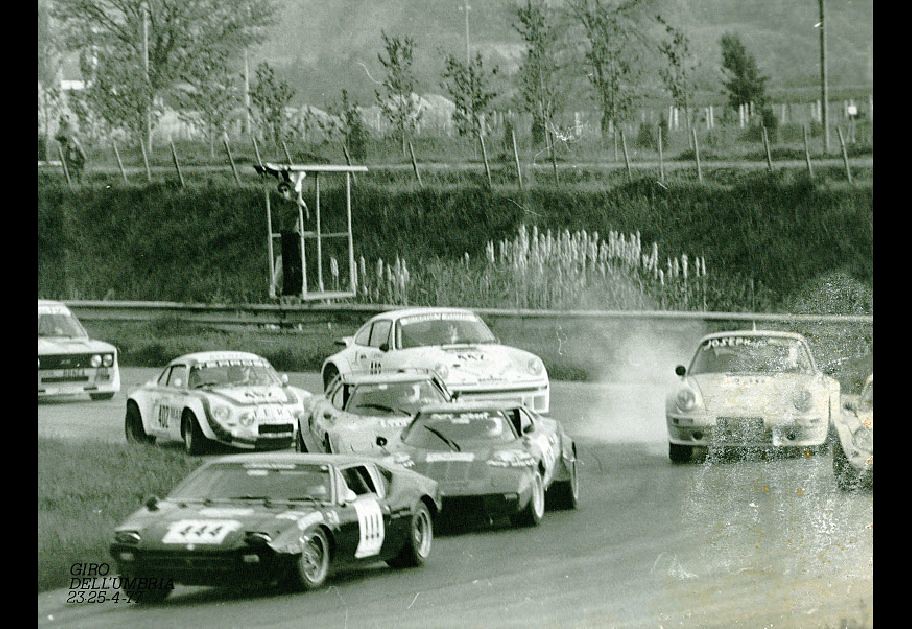

Love that Group 5 Pantera:

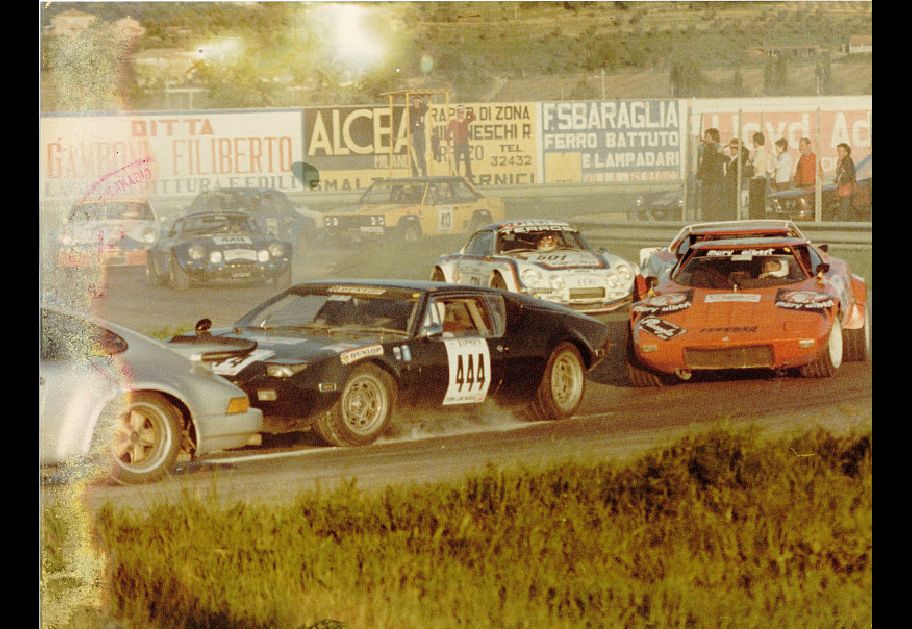

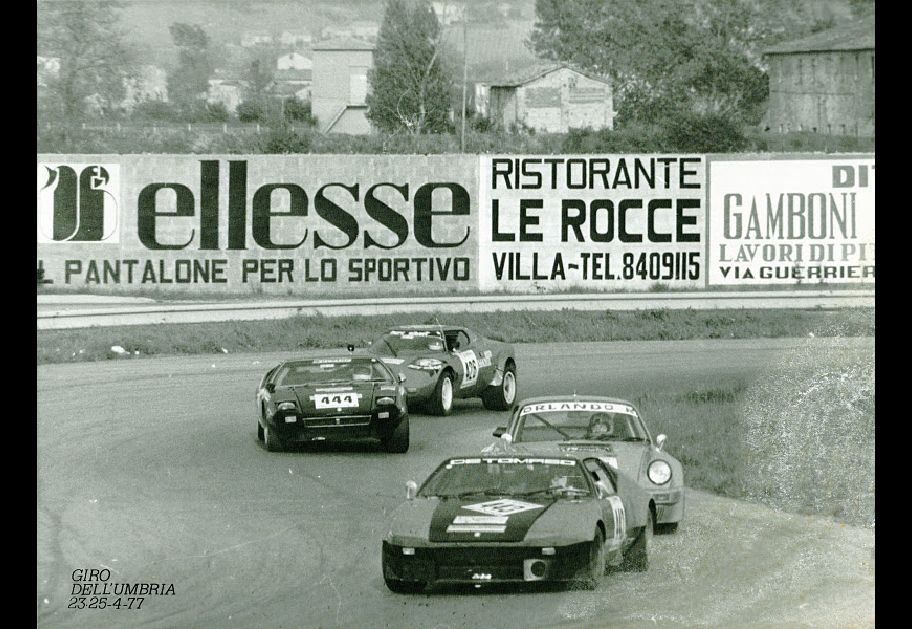
Giro D'italia:

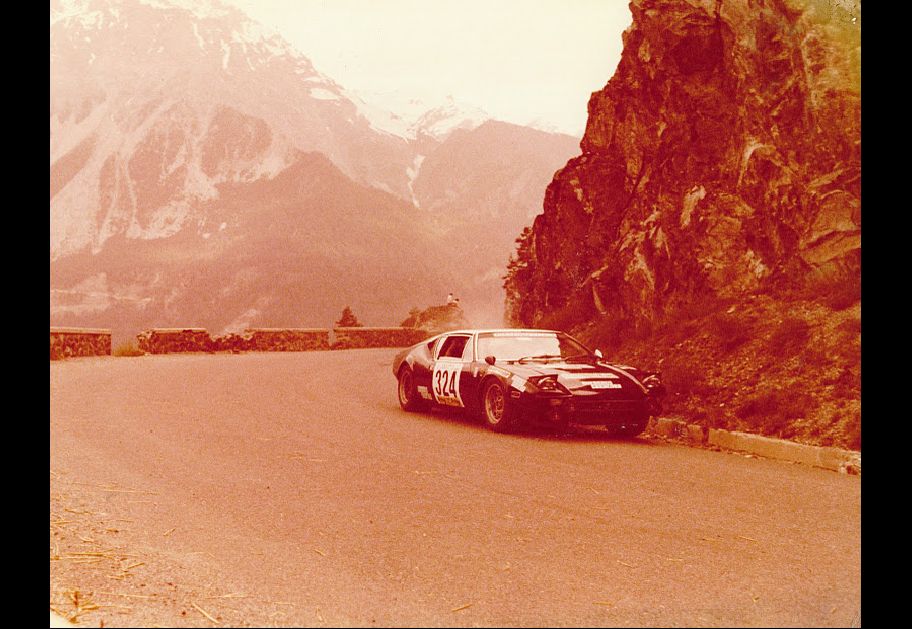
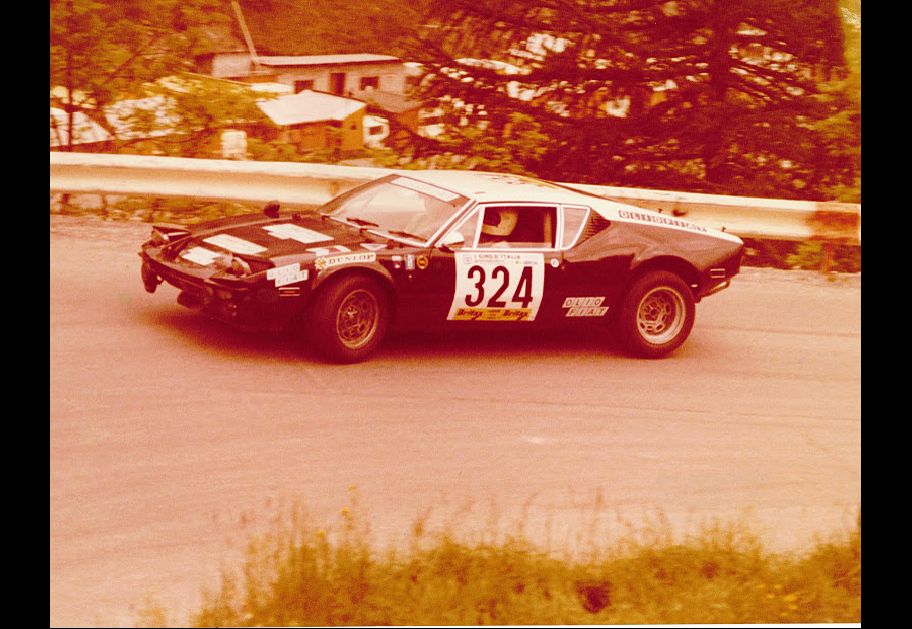
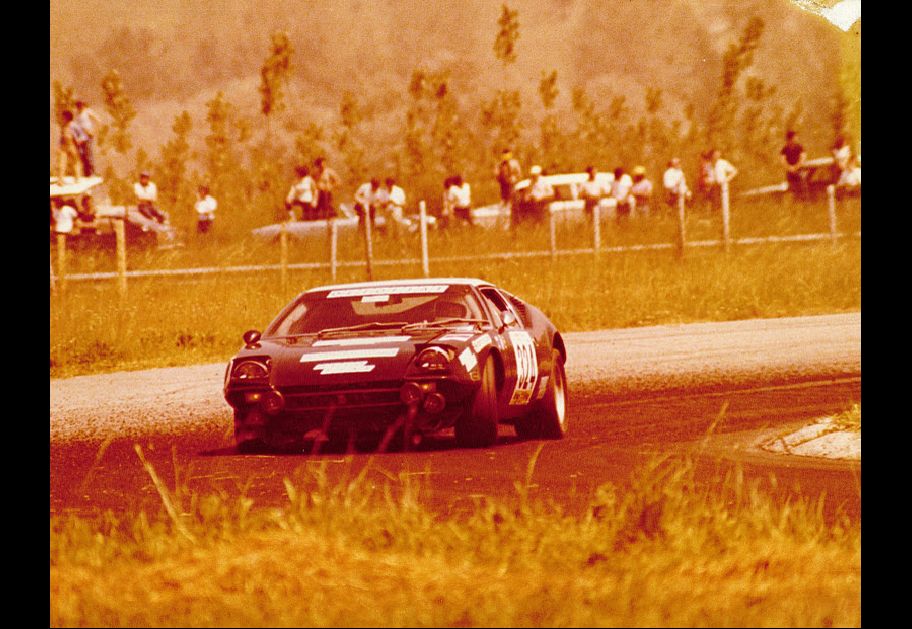
1978 now; Giro D'Italia:

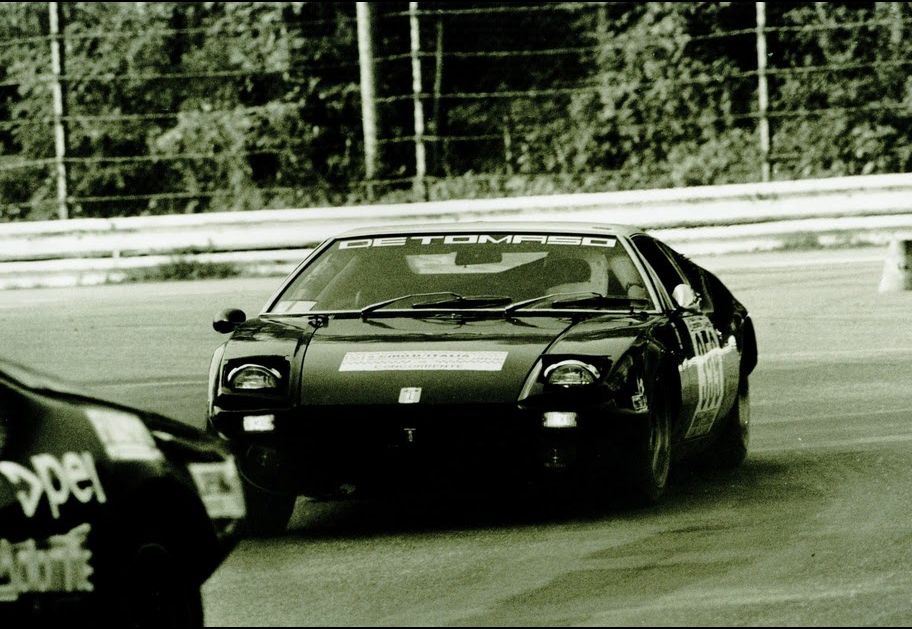
Giro Del L'umbria:
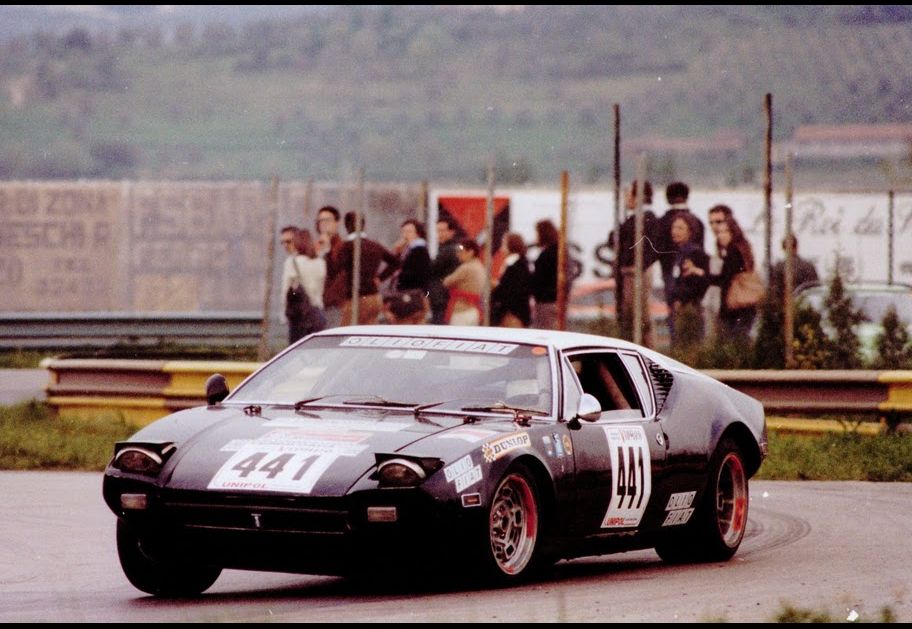


Magione, caning a Porsche:

And again in 1979:
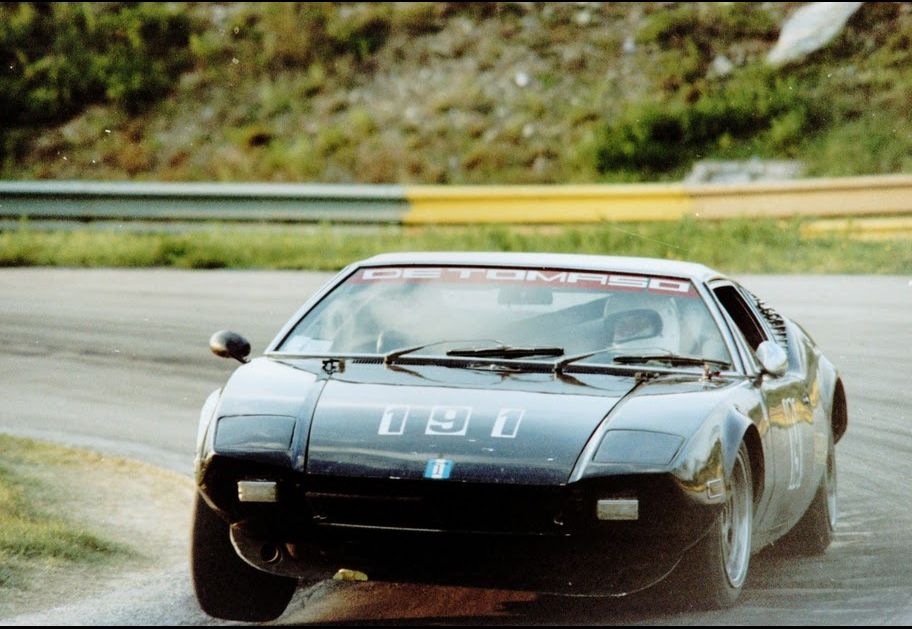
Then onto the regular haunt of the Giro Del L'umbria. This car sure put down some race miles:
The Giro D'Italia, at night; the sound of that 351ci Windsor must have been awesome:

Misano:


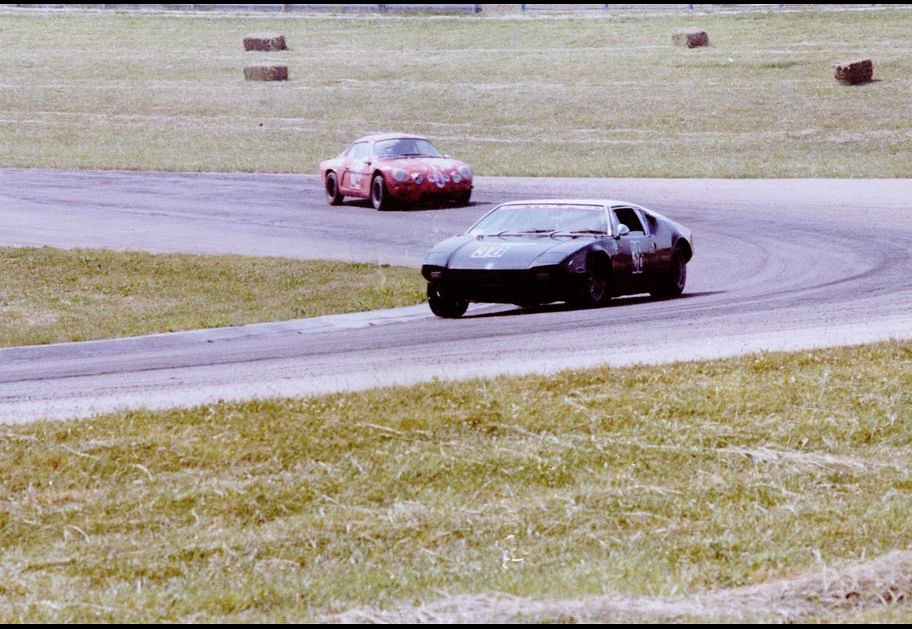
Mugello:
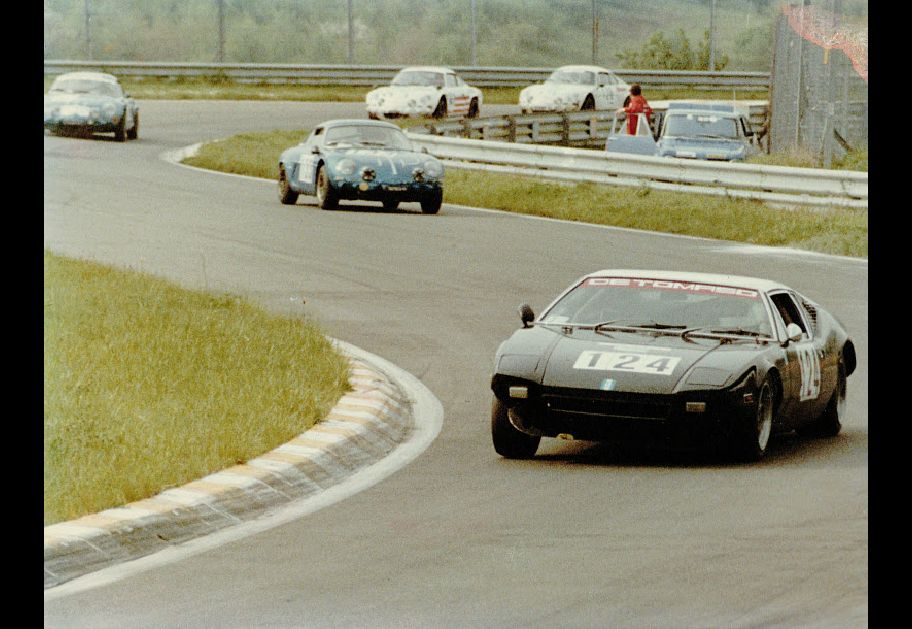
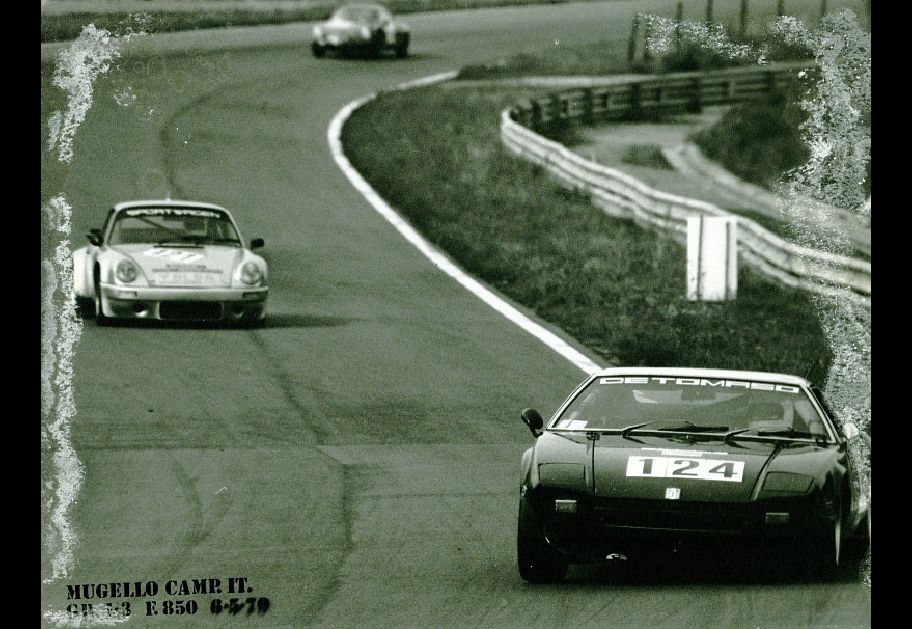
A new venue, Varano de Mellegari:
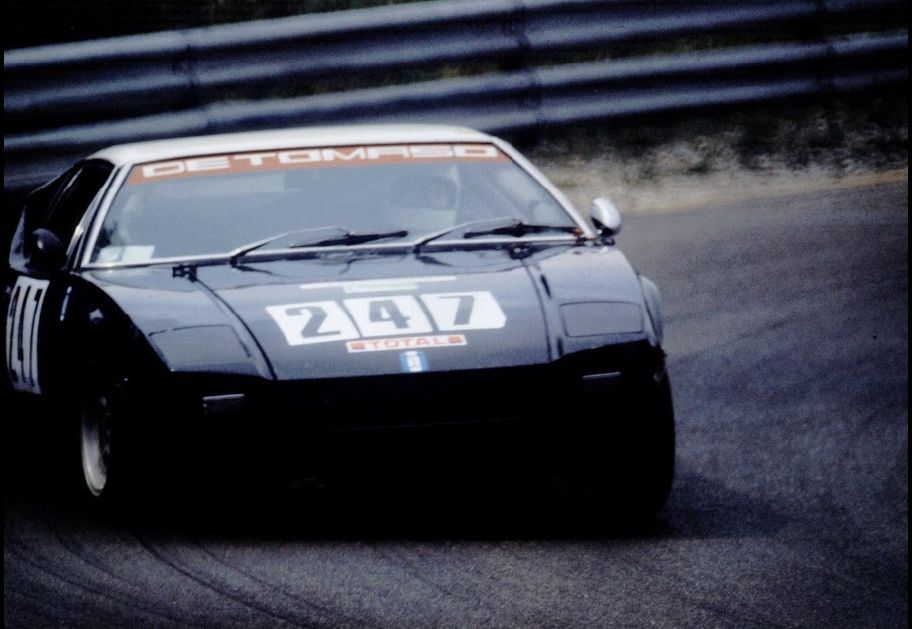
And the best thing is, the car still races today in the FIA Historic championship:
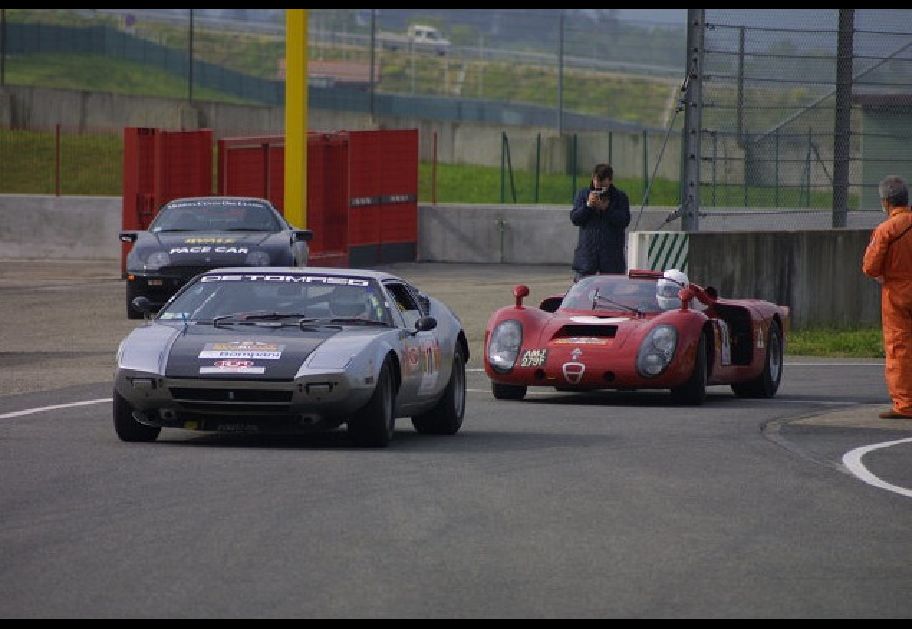

And chilling with the siblingsat Spa, 2011:


Subscribe to:
Posts (Atom)