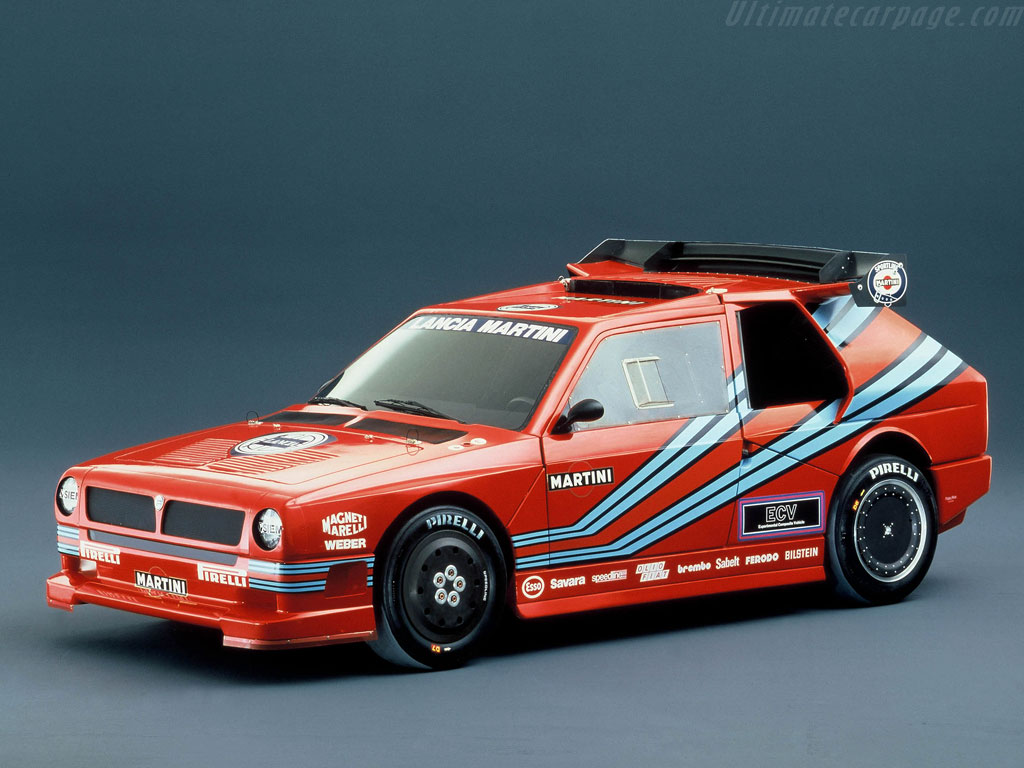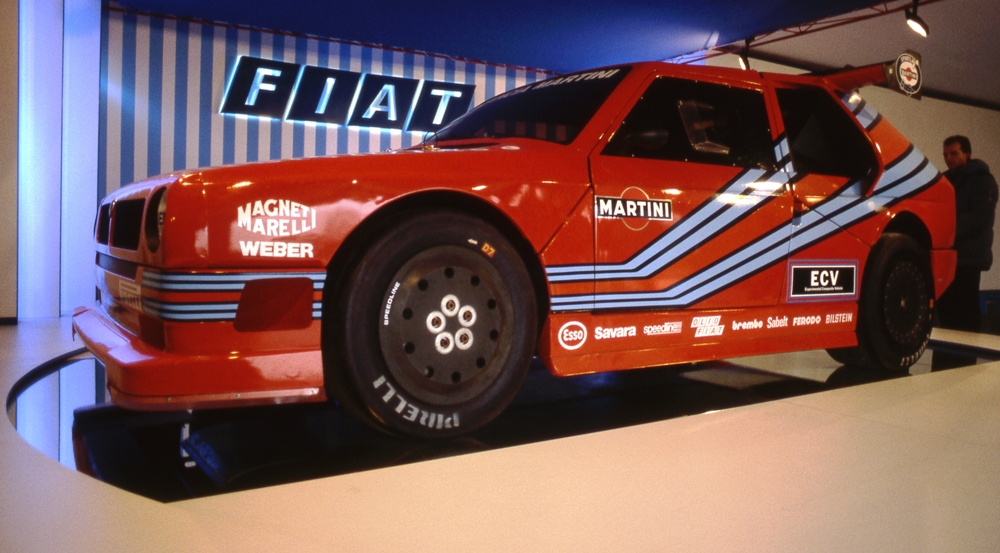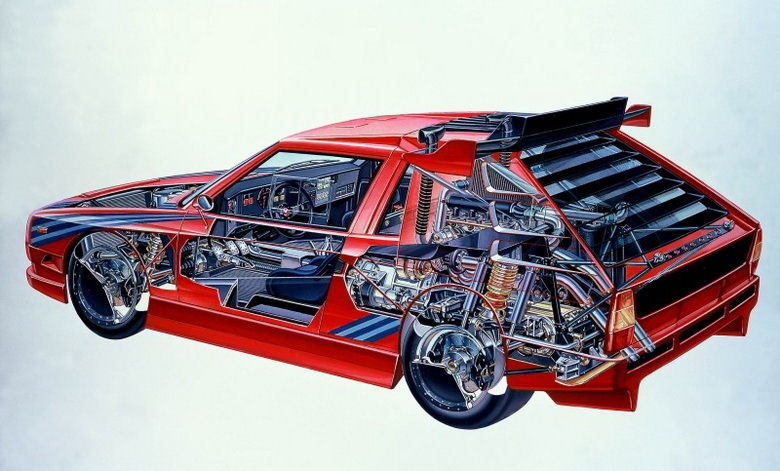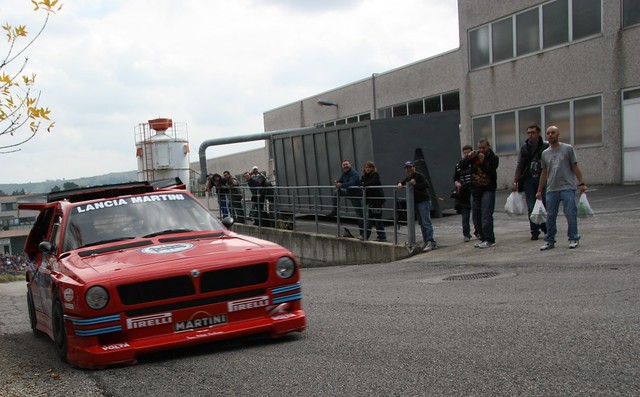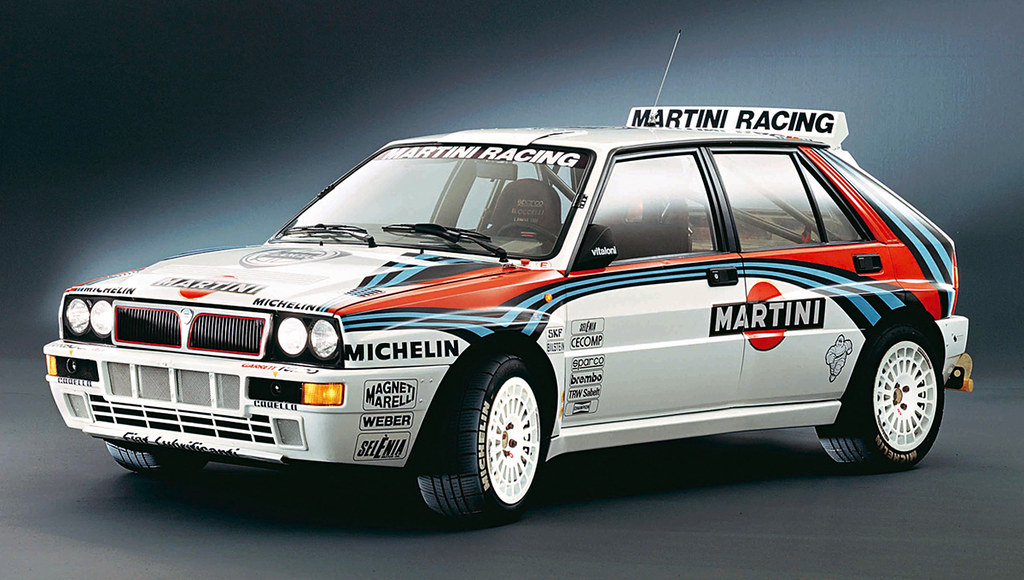
The special relationship between the Lancia Delta Integrale and rallying dates back to 1987, when the Delta HF 4WD made its debut in Group A. After the decline of Group B, while it had been a great spectacle, it had lost all contact with standard production road cars. Nevertheless, Group B had served its purpose as far as Lancia was concerned, since the ultra-advanced technology developed for the Delta S4 was subsequently applied to the various versions of the Delta integrale.
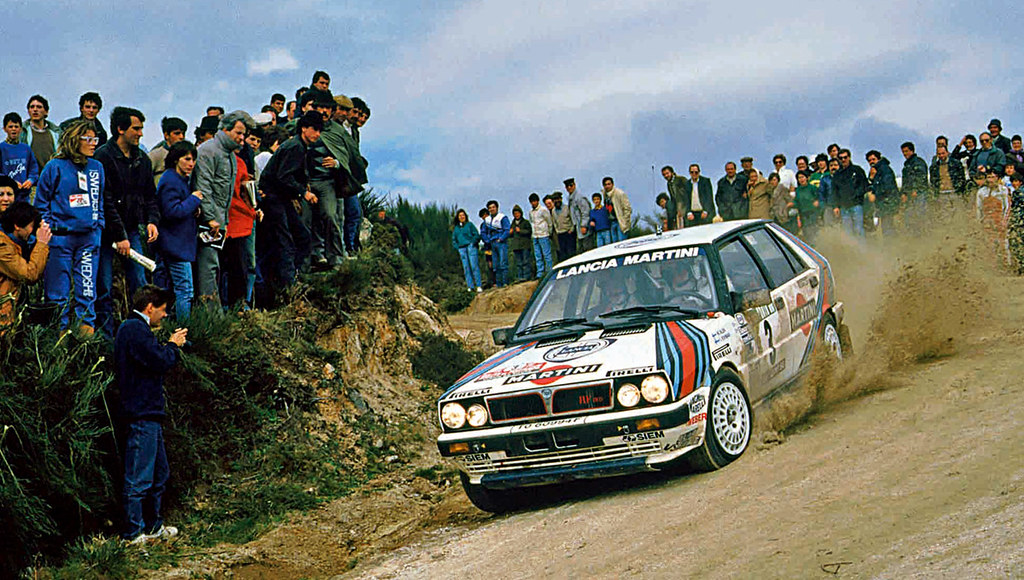

Certainly Lancia enjoyed more successes in Group A, as outlined below. Apart from its 5 European championship titles, the Integrale achieved so many wins that the true score may be impossible to calculate. Here are just a few examples from the 1990 season:
- World Constructors Championship,
- European Championship,
- Italian Championship (1-2-3),
- Italian Ladies' Championship,
- the national championships of Germany, Austria, Sweden, Finland, Hungary, Greece, Turkey, Portugal, Spain (on asphalt), and France (on dirt) - all in Group A.
- the Group N Austrian and Portuguese Championships.
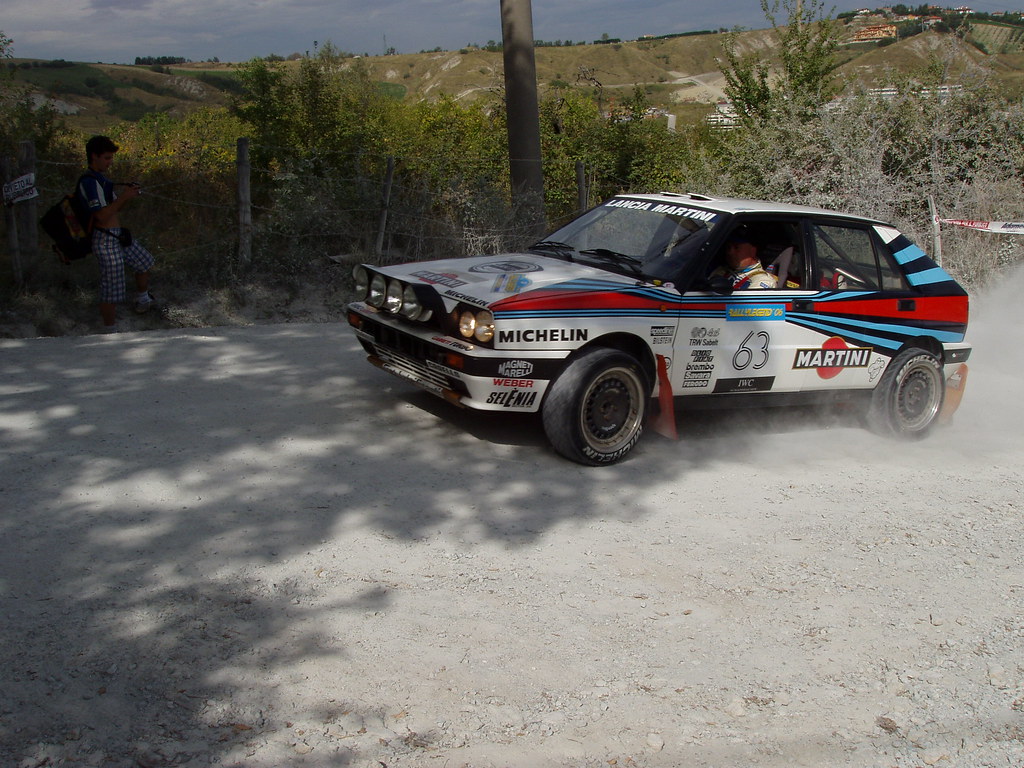
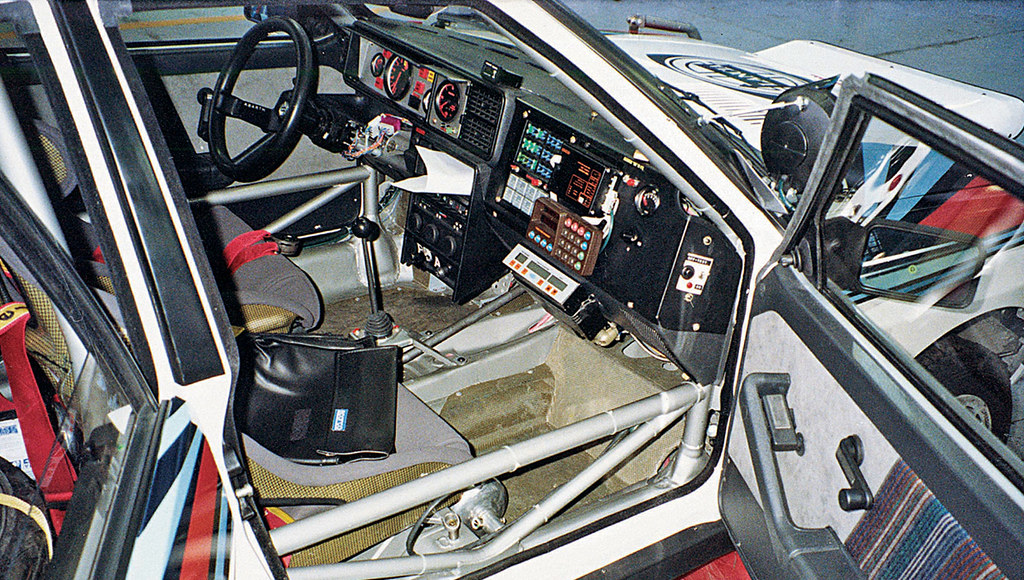
In 1987 the Integrale era in the World Rally Championship began with the HF 4WD. it won on it's debut in Montecarlo with a Miki Biasion & Juha Kankkunen 1-2. The season went on to be a triumph for the Lancia Martini colours with wins in Argentina and San Remo (Biasion), the 1000 Lakes (Marku Alen) and the RAC (Kankkunen). It was Lancia's seventh constructors' title and Kankkunen's second driver's title.
1988; another triumphant season for the Lancia Martini team which again took both the constructors' and drivers' titles and put three drivers in the first three places: Biasion, Alen and Alex Fiorio. 1989 and business as usual for Lancia Martini and another hatfull of rally wins: Montecarlo again with Biasion leading three other Lancias, then Portugal (Biasion again and another Lancia hat-trick), the Safari with a Biasion repeat of the previous year's win and on to the Tour de Corse (Auriol Occelli), the Acropolis (Biasion), Argentina (Kenneth Ericsson) and San Remo with a win to christen the debut of the 16-valve with Biasion at the wheel. Biasion took the drivers' title with Fiorio as runner-up and Lancia grabbed its third consecutive constructors' title.
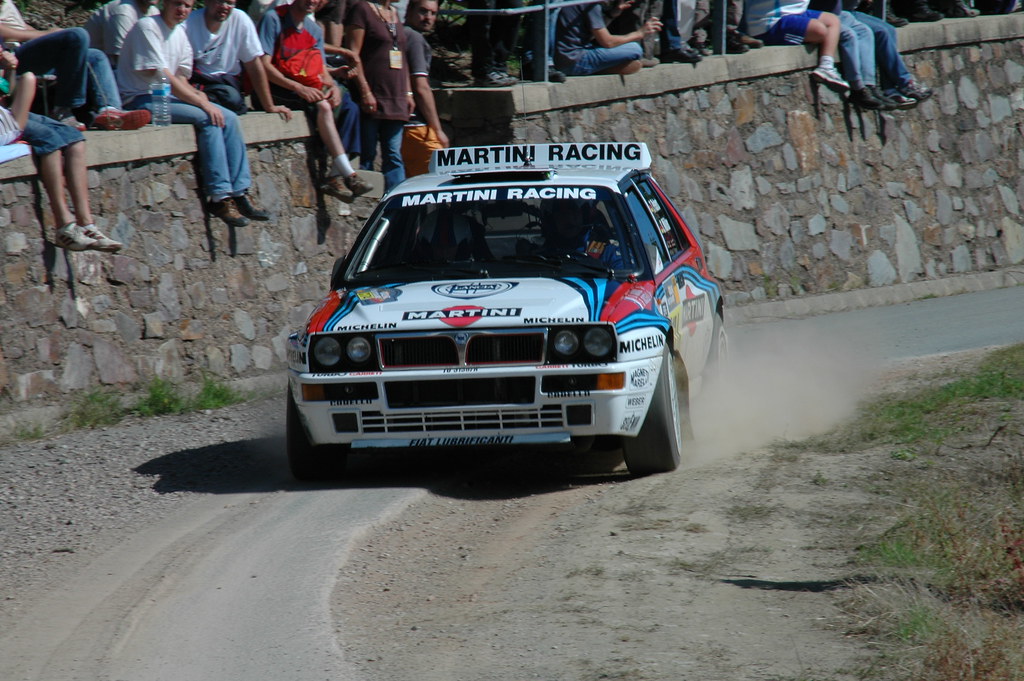


1990, and faced with increasingly threatening competition the Integrale 16v lost no time in showing what it was made of with Auriol coming in first and Biasion third in Montecarlo.In Portugal a 1-2-3-4-5: Biasion, Auriol, Kankkunen, Dario Cerrato and Jorge Bica. After that Auriol won the Tour de Corse, Biasion the Argentina Rally, Kankkunen the Australian and again Auriol the San Remo. Although Carlos Sainz won the Driver's title with the Celica GT-Four, Lancia was constructors champion for the fourth time running.
1991; Lancia's fifth consecutive constructors' title and a drivers' championship won by Kankkunen. On the way there, Kankkunen won the Safari, the Acropolis, the 1000 Lakes and the Australian rally. In San Remo, Auriol, Biasion and Cerrato drove the Delta HF integrale 16v into first, second and third places and Kankkunen drove the message home by winning the RAC.
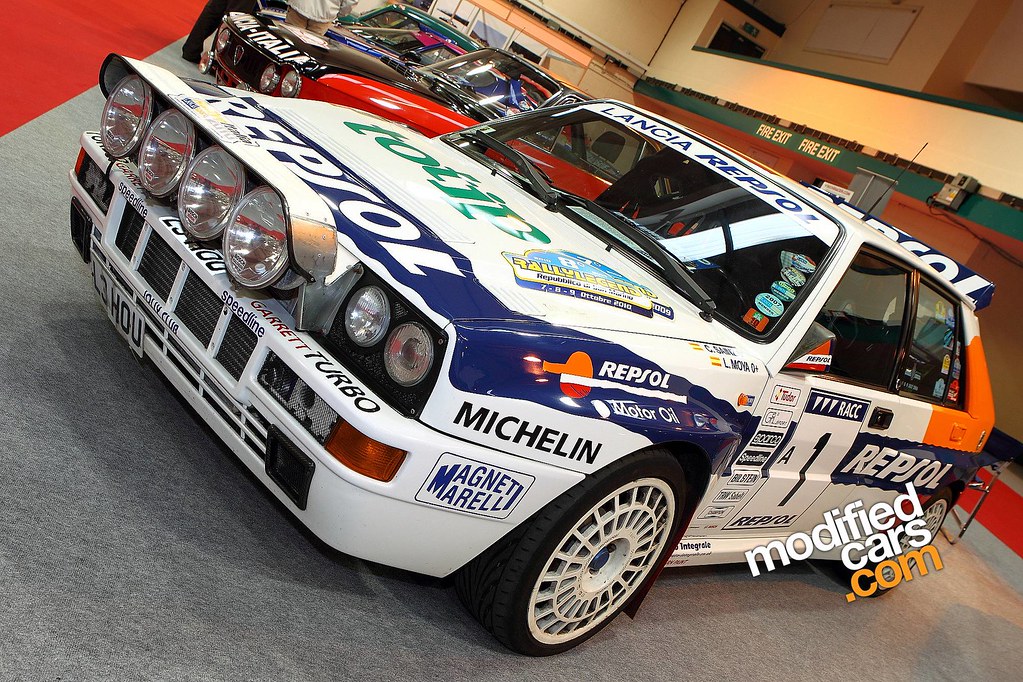
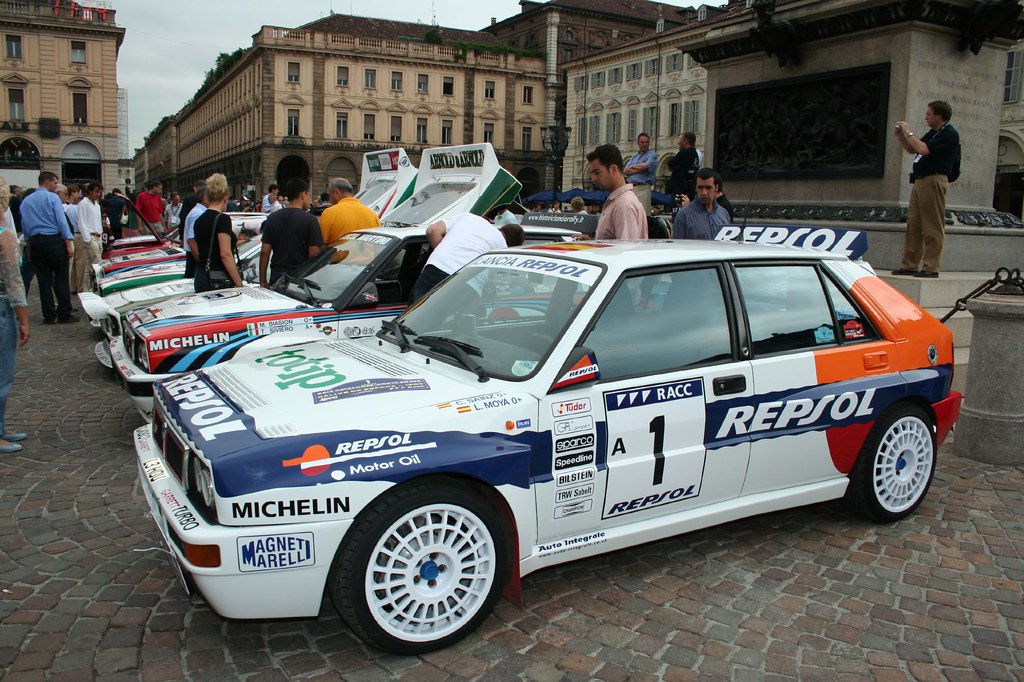
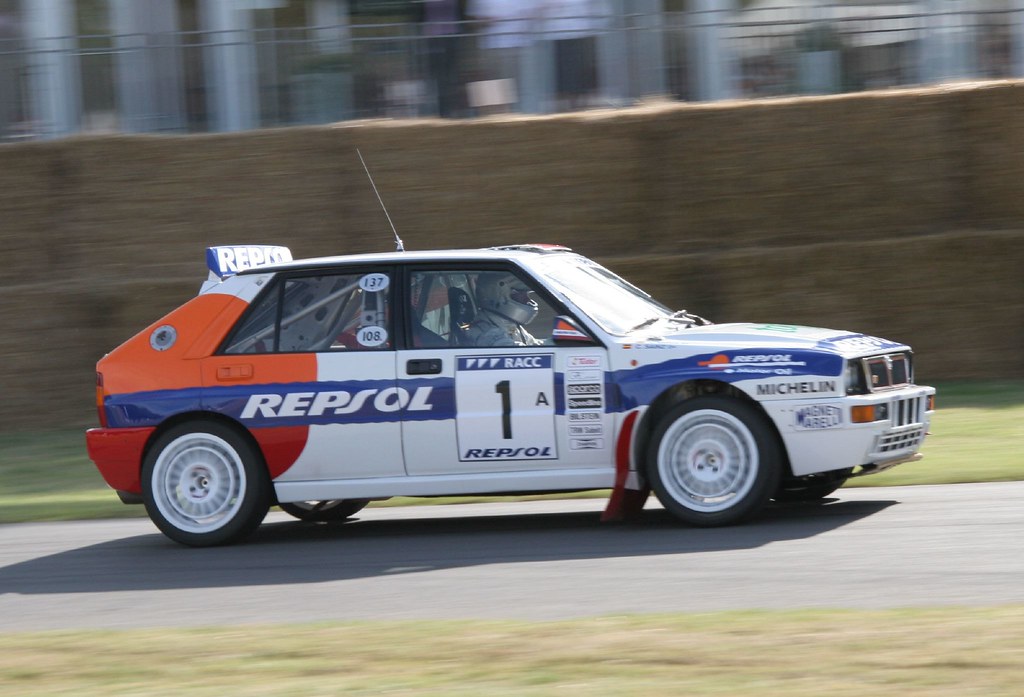
But in 1992, after winning its tenth Constructor's Championship title,Lancia announced its withdrawal from active involvement in the rally scene.
But, the Integrale was still in there, fighting under the banner of the Martini-Racing stable to which Lancia supplied cars and drivers after 16 years of profitable collaboration. And by the end of the year, another World Title.

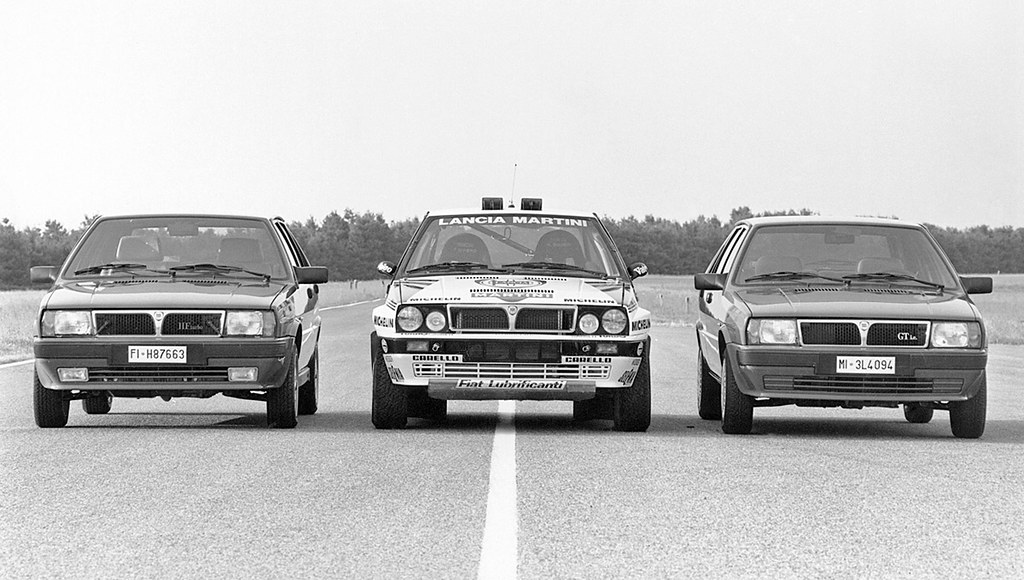
While the likes of the Stratos and Delta S4 are the poster boys for Lancia rallying, the Integrale is the king of the Elephant hill and one of the most successful rally cars of all time.